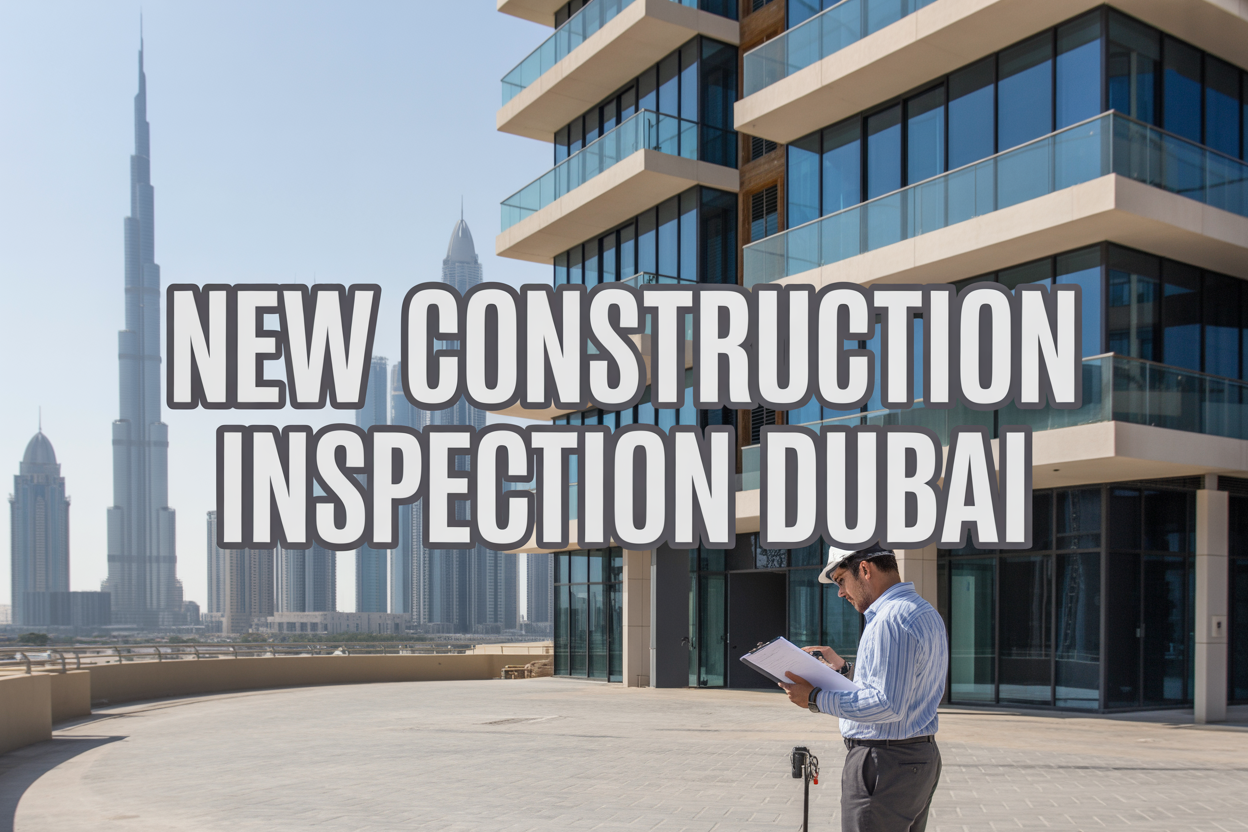
Buying a new construction property in Dubai feels exciting, but even brand-new buildings can hide serious problems. This guide is for property buyers, real estate investors, and homeowners who want to protect their investment before signing on the dotted line.
A new construction inspection Dubai reveals defects that developers might miss or overlook during the building process. Dubai’s extreme heat, humidity, and sandstorms create unique challenges that can affect even the newest properties. Without proper inspection, you could face expensive repairs, legal headaches, and safety issues down the road.
We’ll explore the most common construction defects found in Dubai’s new properties and how they can cost you thousands if left unchecked. You’ll also discover the financial benefits of hiring a professional inspector and learn how Dubai’s harsh climate creates specific problems that standard inspections in other countries might miss. Finally, we’ll walk through the inspection process so you know exactly what to expect and when to schedule your assessment.
Common Construction Defects Found in Dubai’s New Properties
Structural Issues and Foundation Problems
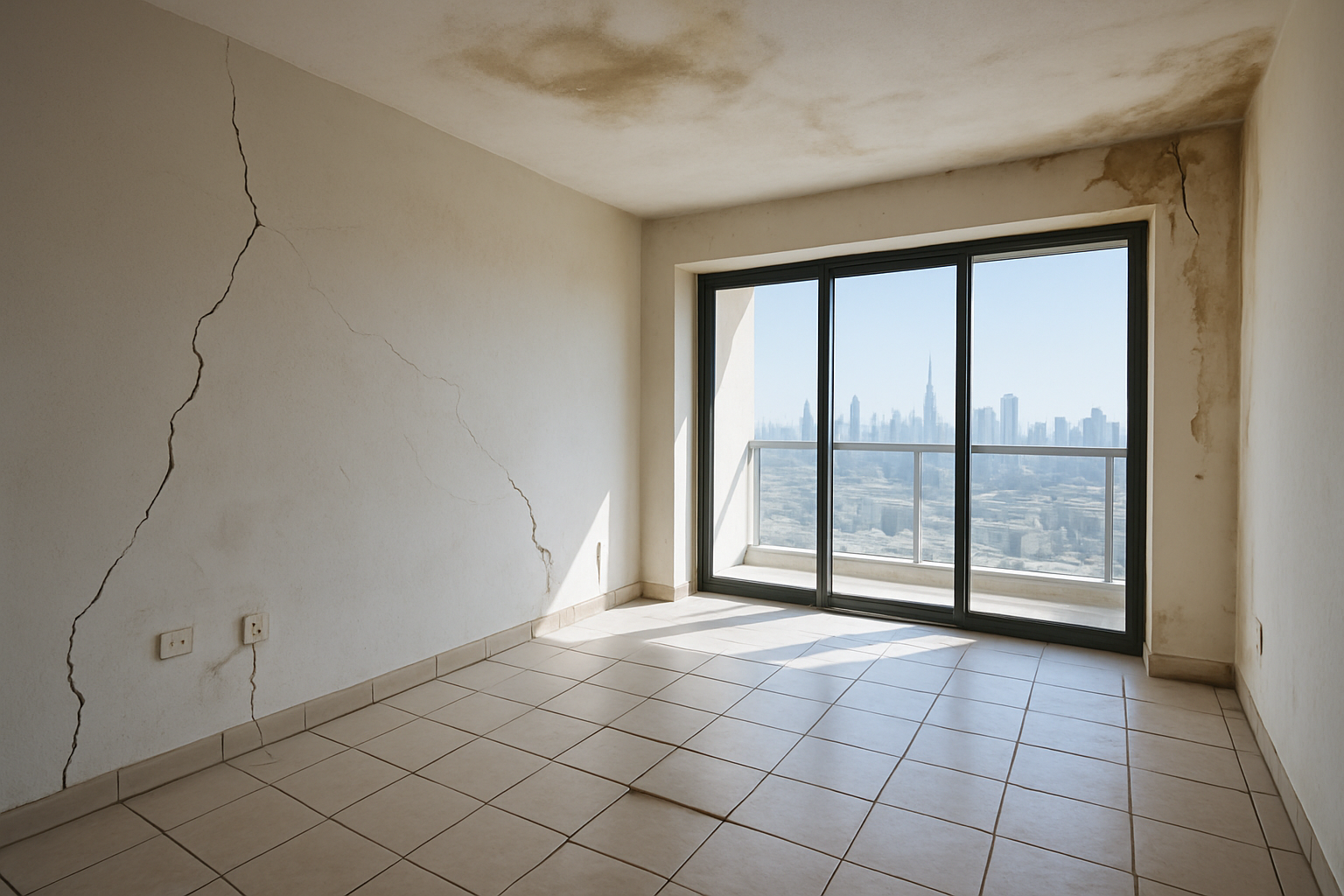
The desert environment of Dubai presents unique challenges for construction, and new construction inspection Dubai reveals alarming patterns of structural defects that many buyers discover too late. The rapid expansion of the city’s skyline has sometimes come at the cost of proper construction practices, leading to serious foundation and structural issues in supposedly brand-new properties.
Foundation settling represents one of the most serious problems found in Dubai’s new construction. The sandy soil conditions require specialized foundation techniques, but corners are often cut during construction. Properties may show signs of uneven settling within months of completion, manifesting as cracks in walls, doors that won’t close properly, and windows that stick. These issues go beyond cosmetic problems – they indicate potential structural instability that can cost hundreds of thousands of dirhams to repair.
Concrete quality issues plague many new developments. Poor concrete mixing, inadequate curing time, or the use of inferior materials can result in weakened structural elements. Professional inspectors frequently find concrete with visible air pockets, improper reinforcement placement, or concrete that fails strength tests. The intense Dubai heat accelerates concrete curing, but when contractors rush the process, the structural integrity suffers significantly.
Steel reinforcement problems appear more frequently than property buyers expect. Corroded rebar, insufficient reinforcement coverage, or improperly placed steel can compromise the entire building’s structural stability. The high humidity and salt air from the Persian Gulf accelerate corrosion processes, making proper reinforcement crucial for long-term durability.
Load-bearing wall modifications during construction create serious safety concerns. Some developers make unauthorized changes to structural plans without proper engineering approval. These modifications can weaken the building’s ability to handle wind loads, seismic activity, or even its own weight distribution. What appears as a minor layout change might actually represent a major structural compromise.
Floor slab issues manifest in various ways across new properties. Uneven floors, excessive deflection, or visible cracking indicate problems with slab thickness, reinforcement, or support structures. These problems become more apparent over time as the building settles and experiences thermal expansion and contraction cycles common in Dubai’s climate.
Plumbing and Water System Failures
Water system problems rank among the most common and costly defects found during new construction inspection Dubai procedures. The combination of Dubai’s water quality, installation practices, and rapid construction schedules creates a perfect storm for plumbing failures that can cause extensive property damage.
Pipe material selection errors cause long-term problems for property owners. Some contractors use pipes unsuitable for Dubai’s water conditions or install different pipe materials without proper transition fittings. The result is premature corrosion, joint failures, and water quality issues that require extensive re-piping work within years of construction completion.
Water pressure irregularities affect multiple floors in high-rise buildings. Improperly sized pumps, inadequate pressure regulation systems, or poorly designed distribution networks leave some units with excellent water pressure while others barely receive a trickle. These problems become apparent only when buildings reach full occupancy, making early detection through professional inspection essential.
Hot water system failures occur frequently in new construction. Undersized water heaters, improper insulation of hot water lines, or faulty circulation pumps can leave residents without adequate hot water supply. The problem becomes more complex in high-rise buildings where hot water must travel significant distances from central heating systems to individual units.
Drainage system problems create health hazards and property damage risks. Improperly sloped drain lines, inadequate pipe sizing, or poor connection practices lead to slow drainage, backups, and sewer gas infiltration. Professional inspectors often find drainage systems that work initially but fail as debris accumulates or when buildings experience full occupancy loads.
Leak detection reveals hidden water damage that can cost property owners enormous repair bills. Poor joint sealing, inadequate pipe support, or installation damage during construction creates leak pathways that may not become apparent for months after completion. By the time leaks become visible, extensive damage to finishes, insulation, and structural elements may have already occurred.
Water quality issues stem from contamination during construction or improper system flushing. Construction debris, welding residue, or inadequate system cleaning can leave water systems contaminated with particles or chemicals that affect water taste, appearance, and safety. Professional testing during inspection can identify these problems before they affect resident health.
Electrical Installation Defects
Electrical system defects in Dubai’s new construction properties pose serious safety risks and code compliance issues. The complexity of modern electrical systems, combined with rapid construction schedules and varying skill levels among electrical contractors, creates numerous opportunities for dangerous installation errors.
Circuit overloading problems appear when developers try to minimize electrical infrastructure costs. Undersized panels, insufficient circuit capacity, or improper load calculations result in circuits that trip frequently or, worse, create fire hazards from overheating. These problems become apparent when residents begin using normal electrical loads in their new homes.
Grounding system failures create serious safety hazards that professional inspections consistently uncover. Improper grounding techniques, missing ground connections, or inadequate grounding electrode systems can result in electrical shock hazards and equipment damage. Dubai’s building codes require specific grounding practices, but enforcement during construction phases often lacks thoroughness.
Wiring installation problems range from minor code violations to serious safety hazards. Common issues include improper wire sizing, inadequate support systems, damaged insulation during installation, or mixing of different wire types without proper connections. These problems can cause electrical fires, equipment damage, or personal injury.
Panel installation defects create ongoing safety and functionality problems. Improperly labeled circuits, loose connections, missing circuit breakers, or panels installed in inappropriate locations violate electrical codes and create maintenance difficulties. Professional electrical inspectors frequently find panels that don’t match the installed electrical loads or circuit configurations.
Outlet and switch installation issues affect both functionality and safety. GFCI outlets missing in required locations, improper wiring connections, or switches that don’t properly control their intended fixtures indicate rushed installation work. These seemingly minor problems can create electrocution hazards or fire risks over time.
Emergency system failures in high-rise buildings create serious life safety concerns. Emergency lighting, fire alarm systems, or backup power systems that don’t function properly during testing indicate installation or configuration problems that could prove fatal during actual emergencies.
HVAC System Malfunctions
Climate control systems face enormous challenges in Dubai’s extreme environment, making proper installation and commissioning critical for new construction properties. HVAC system defects discovered during new construction inspection Dubai procedures often require complete system replacement rather than simple repairs.
Cooling capacity problems plague many new developments where contractors undersize equipment to reduce costs. Air conditioning systems that can’t adequately cool spaces during Dubai’s summer months create uncomfortable living conditions and excessive energy costs. Proper load calculations accounting for Dubai’s climate conditions are essential but often overlooked during system design.
Ductwork installation errors significantly impact system performance and energy efficiency. Poorly sealed ducts, inadequate insulation, or improper sizing create air leakage, temperature losses, and uneven cooling distribution. Professional inspections frequently reveal ductwork that loses 30-40% of its cooling capacity through installation defects.
Refrigerant system problems indicate poor installation practices or equipment defects. Improper refrigerant charging, leak-prone connections, or contaminated refrigerant systems can cause complete system failures within months of installation. These problems require expensive repairs and often void equipment warranties.
Ventilation system failures create indoor air quality problems and building code violations. Inadequate fresh air intake, improperly balanced ventilation systems, or non-functioning exhaust systems can create health hazards and code compliance issues. Professional inspection reveals these problems before they affect occupant health.
Control system malfunctions make even properly installed HVAC equipment ineffective. Faulty thermostats, improperly programmed control systems, or sensor placement errors can cause systems to operate inefficiently or fail to maintain comfortable conditions. These problems often require specialized expertise to diagnose and correct.
Energy efficiency problems become apparent through utility bills that far exceed expectations. Systems that consume excessive energy due to installation defects, improper commissioning, or equipment selection errors can cost property owners thousands of dirhams annually in unnecessary utility costs.
Water damage from HVAC systems ranks among the most expensive problems found in new construction. Condensate drain failures, refrigerant line leaks, or cooling coil problems can cause extensive water damage to finishes, furnishings, and structural elements. Early detection through professional inspection can prevent catastrophic damage and repair costs.
Financial Benefits of Professional Property Inspection
Identifying Costly Repairs Before Purchase
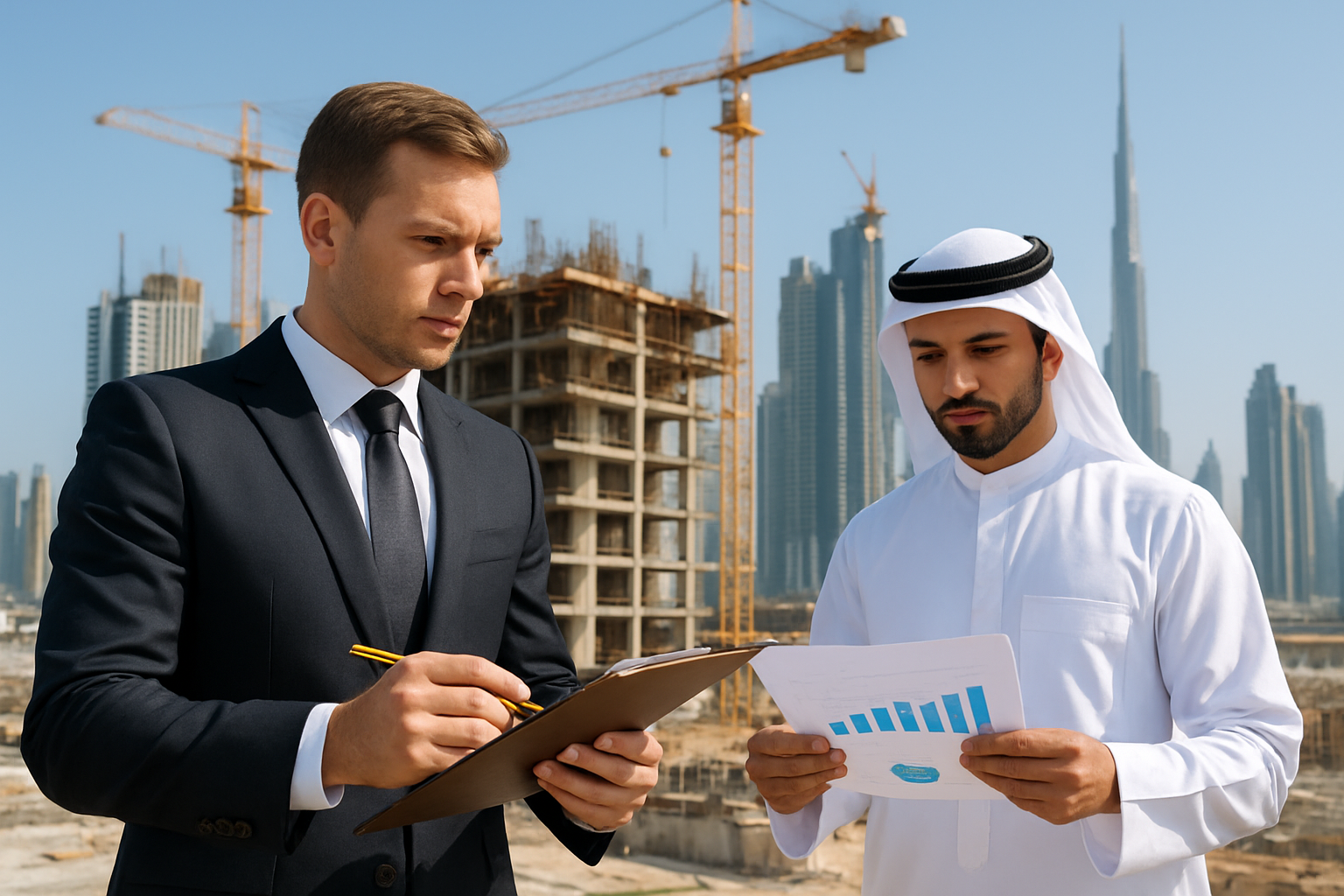
When you’re investing hundreds of thousands or even millions of dirhams in a new construction property in Dubai, spotting potential issues before signing on the dotted line can save you from financial headaches down the road. Professional new construction inspection Dubai services reveal problems that could cost property owners significant money if left undetected.
Structural defects represent some of the most expensive repairs new homeowners might face. Even in brand-new properties, issues like foundation settling, improper concrete curing, or inadequate reinforcement can emerge within the first few years. A professional inspector can identify early warning signs of these problems, such as hairline cracks in walls, uneven floors, or doors that don’t close properly. Addressing these issues during the warranty period costs nothing, but waiting until after warranty expiration could mean repair bills ranging from AED 50,000 to AED 200,000 or more.
Electrical system defects in new construction often go unnoticed until they cause serious problems. Improper wiring, inadequate grounding, or substandard electrical panels might function initially but can lead to power outages, equipment damage, or even fire hazards. Professional inspectors use specialized equipment to test electrical systems thoroughly, identifying issues like overloaded circuits, improper GFCI installation, or voltage irregularities. Rewiring a villa after move-in typically costs between AED 30,000 and AED 80,000, while fixing these problems during construction costs developers virtually nothing.
Plumbing systems in new properties frequently harbor hidden defects that become expensive problems later. Water pressure issues, improper pipe installation, inadequate drainage, or faulty fixtures might not surface immediately but can cause water damage, mold growth, or complete system failures. Inspectors test water pressure at multiple points, check for leaks behind walls, and verify proper drainage slopes. Replacing plumbing systems after occupancy often requires breaking through finished walls and floors, driving costs up to AED 40,000 or more for a typical apartment.
HVAC systems deserve special attention in Dubai’s climate, where air conditioning runs almost year-round. Improper installation of ductwork, inadequate insulation, or incorrectly sized systems can result in poor performance and sky-high utility bills. Professional inspectors evaluate HVAC systems for proper installation, adequate capacity, and energy efficiency. Replacing an improperly installed HVAC system after move-in can cost AED 25,000 to AED 60,000, not including the higher electricity costs from inefficient operation.
Waterproofing defects represent another major expense category for new property owners. Dubai’s occasional heavy rainfall and high humidity levels can expose waterproofing failures that weren’t apparent during dry conditions. Inspectors use moisture meters and thermal imaging to detect potential water intrusion points around windows, balconies, and roof areas. Addressing waterproofing issues after water damage occurs often costs AED 20,000 to AED 100,000, depending on the extent of damage and required remediation.
Window and door installations frequently contain defects that compromise both comfort and security. Poor sealing, improper alignment, or substandard materials can lead to air leaks, water intrusion, and security vulnerabilities. Professional inspectors check all openings for proper installation, weathersealing, and operation. Replacing poorly installed windows and doors after occupancy typically costs AED 15,000 to AED 50,000 for a standard apartment.
Negotiating Better Purchase Prices
Armed with detailed inspection reports, property buyers gain significant leverage in price negotiations with developers and sellers. Professional inspection findings provide concrete evidence of defects and deficiencies that justify requests for price reductions or repair credits.
When inspection reports reveal multiple defects or significant issues, buyers can present these findings to developers as justification for price adjustments. For example, if an inspection uncovers HVAC sizing problems, electrical deficiencies, and waterproofing concerns, the cumulative repair costs might justify a price reduction of AED 100,000 to AED 300,000 on a luxury villa. Developers often prefer offering purchase price reductions rather than coordinating extensive repairs before handover.
Inspection reports also provide buyers with specific cost estimates for addressing identified issues. Professional inspectors often include repair cost ranges in their reports, giving buyers concrete numbers to use in negotiations. When a buyer can demonstrate that fixing identified problems will cost AED 75,000, requesting a similar price reduction becomes much more compelling than vague concerns about “possible issues.”
Timing plays a crucial role in negotiation effectiveness. Buyers who conduct inspections during the final construction phases, before final payment, maintain maximum leverage. Developers facing completion deadlines and payment schedules are often more willing to negotiate on price rather than delay handovers for extensive repairs.
The negotiation process works differently depending on whether buyers are dealing with primary sales from developers or secondary market transactions. With developers, buyers might negotiate package deals that include price reductions, upgraded finishes, or extended warranties. In secondary market transactions, sellers might offer immediate price reductions, repair credits, or contributions toward closing costs.
Documented defects also provide buyers with fallback options if negotiations stall. When sellers refuse price reductions, buyers can request repair credits, extended warranties, or other concessions that provide similar financial value. Professional inspection reports give buyers multiple negotiation angles rather than simple take-it-or-leave-it scenarios.
Market conditions influence negotiation success rates significantly. In buyer’s markets, comprehensive inspection reports can justify substantial price reductions, sometimes reaching 5-10% of the purchase price for properties with multiple significant issues. Even in seller’s markets, documented defects provide buyers with legitimate grounds for some price adjustments.
Some buyers use inspection findings strategically, requesting repairs for major issues while negotiating price reductions for minor problems. This approach allows developers to address safety and functionality concerns while providing buyers with financial compensation for cosmetic or minor issues they can address themselves.
Avoiding Hidden Maintenance Expenses
New construction properties often come with hidden maintenance expenses that catch unprepared owners off guard. Professional inspections reveal these potential cost centers, allowing buyers to budget appropriately and address issues before they become expensive problems.
Building envelope deficiencies represent one of the largest categories of hidden maintenance expenses in Dubai’s new construction. Poor insulation, inadequate vapor barriers, or substandard exterior finishes can lead to ongoing issues with temperature control, humidity management, and structural deterioration. Properties with building envelope problems often experience 20-40% higher utility costs and require more frequent HVAC maintenance and repairs.
Inspection reports help buyers understand the long-term maintenance implications of various systems and components. For example, certain types of exterior cladding require more frequent cleaning and maintenance in Dubai’s dusty environment. Stone facades might need annual sealing, while glass surfaces require specialized cleaning equipment and techniques. Understanding these requirements upfront allows buyers to budget for ongoing maintenance costs rather than facing unexpected expenses.
HVAC system deficiencies create ongoing expense cycles that can persist throughout a property’s ownership. Undersized systems run continuously, leading to higher utility bills and more frequent component failures. Improperly installed ductwork allows conditioned air to escape, forcing systems to work harder and wear out faster. Professional inspections identify these issues, allowing buyers to address them before experiencing years of inflated operating costs.
Poor-quality fixtures and finishes often require premature replacement or extensive maintenance. While these components might look impressive in showroom conditions, they might not withstand daily use or Dubai’s environmental conditions. Inspectors evaluate the quality and appropriateness of fixtures, helping buyers understand which components might need early replacement and budgeting accordingly.
Drainage and waterproofing issues create cascading maintenance expenses that compound over time. Initial water intrusion might seem minor, but can lead to mold growth, structural damage, and indoor air quality problems that require expensive remediation. Professional inspections identify potential water intrusion points, allowing buyers to address these issues before they create ongoing maintenance nightmares.
Landscape and irrigation systems in new developments often require significant ongoing investment. Automated irrigation systems might have design flaws or use inappropriate components for local conditions. Plant selections might not be suitable for Dubai’s climate, requiring replacement or extensive care. Inspection reports can identify these potential maintenance cost centers, helping buyers budget for landscape expenses.
Swimming pools and water features, common in Dubai’s luxury properties, bring substantial ongoing maintenance requirements. Poor initial installation can create equipment failures, finish deterioration, and structural problems that require expensive repairs. Professional inspectors evaluate pool systems for proper installation and component quality, helping buyers understand long-term maintenance commitments.
Security and smart home systems require ongoing maintenance and updates that many buyers don’t anticipate. Complex systems with poor initial installation or low-quality components often experience frequent failures and require expensive service calls. Understanding these maintenance requirements upfront allows buyers to budget appropriately or negotiate with sellers for system upgrades or extended warranties.
The cumulative financial impact of avoided hidden maintenance expenses often exceeds the cost of professional inspection services by factors of 10 to 50. A comprehensive inspection costing AED 3,000 to AED 8,000 might identify potential maintenance issues that could cost property owners AED 100,000 to AED 300,000 over the first decade of ownership. This return on investment makes professional new construction inspection Dubai services one of the most cost-effective investments property buyers can make.
Dubai’s Unique Climate Challenges for New Construction
Extreme Heat Impact on Building Materials
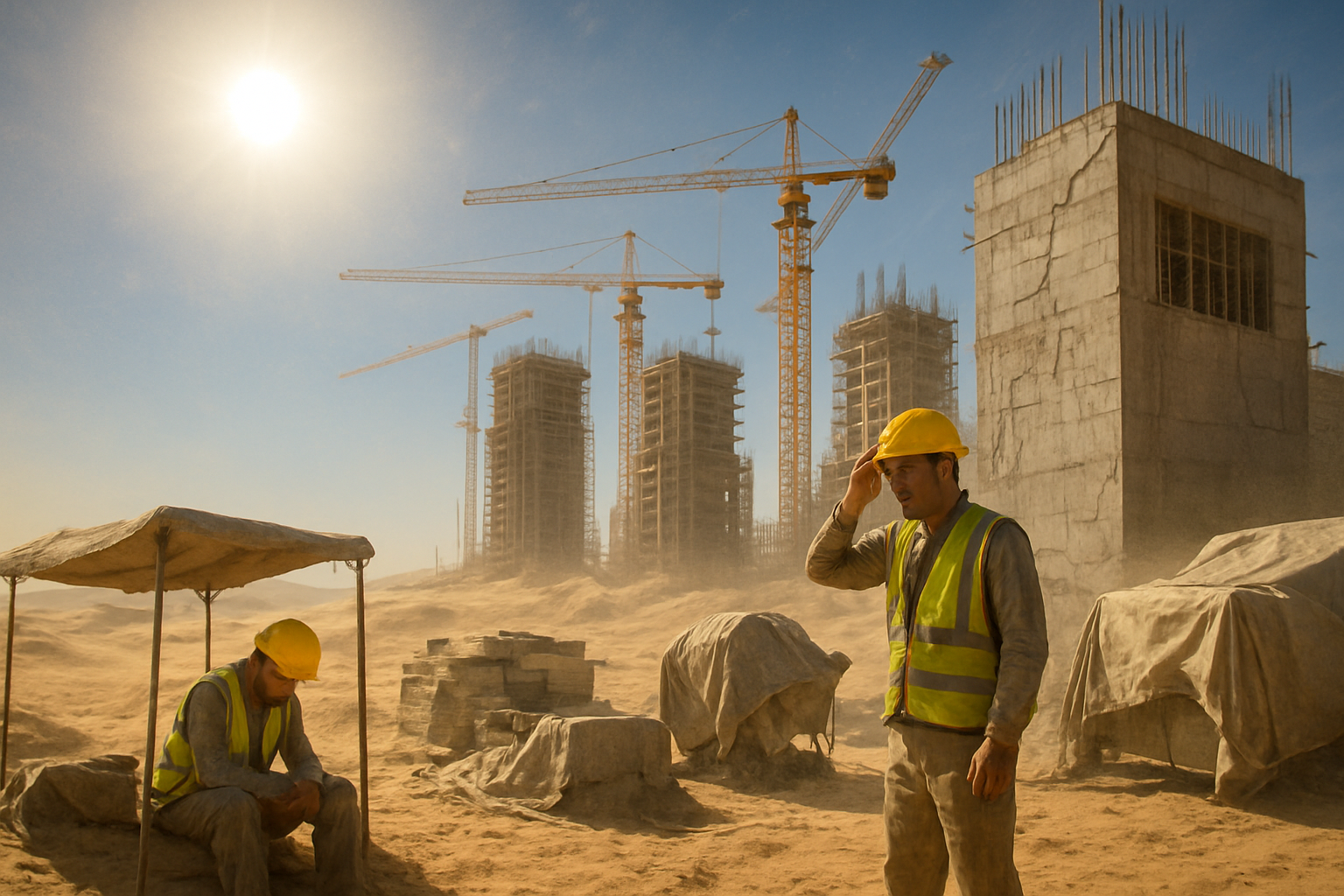
Dubai’s scorching temperatures regularly exceed 45°C (113°F) during summer months, creating severe stress on building materials that many developers and contractors underestimate. The intense heat affects concrete curing processes, causing rapid moisture evaporation that can lead to surface cracking and reduced structural integrity. When concrete cures too quickly due to extreme heat, it doesn’t achieve its intended strength, leaving new construction properties vulnerable to long-term structural issues.
Steel reinforcement bars expand significantly under Dubai’s intense heat, creating stress within concrete structures that can result in cracking and displacement. The thermal coefficient of steel means that a 10-meter reinforcement bar can expand by nearly 6mm during peak summer temperatures. This expansion puts tremendous pressure on surrounding concrete, often causing hairline fractures that grow over time.
External finishes face particular challenges in Dubai’s heat. Paint systems can fail prematurely, with some coatings losing adhesion within months rather than years. Ceramic tiles and stone cladding experience thermal shock, where rapid temperature changes cause materials to expand and contract at different rates, leading to cracking or complete detachment from building facades.
Waterproofing membranes, critical for Dubai’s climate, deteriorate rapidly under extreme heat exposure. UV radiation breaks down polymer chains in roofing materials, causing them to become brittle and crack. These failures often go unnoticed until the first significant rainfall exposes leaks throughout the building envelope.
Sealants around windows, doors, and expansion joints lose their elasticity in extreme heat, creating gaps that allow air infiltration and moisture penetration. Professional new construction inspection Dubai services identify these heat-related material failures before they become major problems, saving property owners thousands in future repairs.
HVAC systems face enormous strain in Dubai’s heat, with outdoor units operating far beyond their design parameters. Compressors work overtime, refrigerant lines experience excessive pressure, and ductwork can develop leaks due to thermal stress. Many new construction properties have inadequately sized cooling systems that fail to maintain comfortable indoor temperatures while consuming excessive energy.
Humidity and Moisture-Related Issues
Dubai’s coastal location creates humidity levels that fluctuate dramatically between seasons, presenting unique challenges for new construction properties. Summer humidity often exceeds 90%, while winter months can drop below 30%, creating a constant cycle of moisture absorption and release in building materials.
Concrete structures absorb moisture during humid periods and release it during dry spells, creating internal pressure that can cause spalling and surface deterioration. This moisture cycling weakens the concrete matrix over time, reducing the building’s structural lifespan significantly. The alkaline environment within concrete can become compromised when moisture carries chlorides from the coastal air deep into the structure.
Interior condensation becomes a major issue when warm, humid air meets air-conditioned surfaces. Poor vapor barrier installation or gaps in the building envelope allow humid air to penetrate wall cavities, where it condenses on cooler surfaces. This hidden moisture creates ideal conditions for mold growth and can cause insulation to lose its effectiveness.
Bathroom and kitchen areas face particular challenges in Dubai’s humidity. Exhaust fans often prove inadequate for the moisture load, and poor waterproofing details around fixtures lead to water damage in adjacent areas. Tile grout fails prematurely due to constant moisture exposure, allowing water to penetrate substrate materials and cause structural damage.
Window and door frames suffer from humidity-related expansion and contraction. Wooden frames can warp significantly, while metal frames develop condensation that leads to corrosion. Sealing around openings fails as materials expand and contract with humidity changes, creating pathways for air and moisture infiltration.
Electrical systems face corrosion risks from humidity exposure. Junction boxes, conduits, and wiring connections can develop moisture buildup that leads to electrical failures or safety hazards. Many new construction properties have inadequate electrical sealing, allowing humid air to reach sensitive components.
Storage areas and basements become particularly problematic in humid conditions. Without proper ventilation and moisture control, these spaces can develop persistent dampness that affects stored items and creates unhealthy indoor air quality. The humid environment also accelerates deterioration of mechanical equipment housed in these areas.
Professional moisture testing during new construction inspection Dubai reveals hidden problems that aren’t visible during casual walkthroughs. Moisture meters can detect elevated humidity levels within building materials before visible damage occurs, allowing for corrective action before warranty periods expire.
Sand and Dust Penetration Problems
Dubai’s desert environment subjects new construction properties to constant sand and dust infiltration that can cause significant operational and maintenance issues. Fine sand particles, often microscopic in size, penetrate building envelopes through the smallest gaps and openings, creating problems that many property owners don’t anticipate.
HVAC systems bear the brunt of Dubai’s dusty environment. Air filters require frequent replacement, often monthly instead of quarterly, and ductwork accumulates sand deposits that reduce airflow efficiency. Outdoor units face particular challenges as sand clogs condenser coils, forcing systems to work harder and consume more energy while providing less cooling capacity.
The abrasive nature of wind-blown sand causes accelerated wear on exterior finishes. Paint systems develop a sandblasted appearance within years rather than decades, and glass surfaces become etched and clouded from constant sand exposure. This aesthetic deterioration affects property values and requires expensive refinishing work.
Window and door seals face constant testing from sand infiltration. Even high-quality weatherstripping can fail to completely seal against Dubai’s fine sand particles. Once sand penetrates these seals, it acts as an abrasive agent that accelerates wear and creates larger gaps for future infiltration.
Rooftop equipment and access areas accumulate significant sand deposits that can interfere with proper drainage and equipment operation. Roof drains can become clogged with sand, leading to ponding water that stresses the roof structure and can cause leaks. Solar panel installations, increasingly common in Dubai, lose efficiency as sand accumulates on photovoltaic surfaces.
Pool and water feature areas face unique challenges from sand infiltration. Filtration systems work overtime to remove sand particles, and skimmer baskets require frequent cleaning. Sand that settles in pool equipment can cause pump impeller damage and reduce system lifespan significantly.
Parking garages and ground-level areas experience heavy sand accumulation that can interfere with drainage systems and create slip hazards. Sand buildup around expansion joints can prevent proper movement, leading to structural stress during thermal expansion cycles.
Interior spaces aren’t immune to sand infiltration. Fine particles can penetrate the building envelope and accumulate on surfaces, in ductwork, and around electrical equipment. This infiltration is particularly problematic in commercial spaces with sensitive equipment or in residential areas with individuals who have respiratory sensitivities.
Landscaping and irrigation systems face ongoing challenges from sand accumulation. Sprinkler heads become clogged, drainage systems lose efficiency, and plant root zones can become compacted with sand deposits that affect plant health and water infiltration.
Thermal Expansion and Contraction Effects
Dubai’s extreme temperature variations between air-conditioned interiors and scorching exteriors create significant thermal stress on building materials that many new construction projects fail to adequately address. Daily temperature swings of 20-30°C between indoor and outdoor environments subject building envelopes to constant expansion and contraction cycles that can cause premature failure of connections and seals.
Concrete slabs and structural elements experience differential expansion rates that create stress concentrations at joints and connections. Roof slabs, exposed to direct sunlight, can reach temperatures exceeding 60°C while interior spaces remain at 22°C. This temperature differential creates thermal gradients within the concrete that can cause cracking and joint failures.
Curtain wall systems face particular challenges in Dubai’s thermal environment. The metal framework expands significantly more than glass panels, creating stress at glazing connections that can lead to seal failures and water infiltration. Many new construction properties have inadequate expansion joints in their facade systems, resulting in buckled panels or cracked glass within the first few years.
Piping systems, especially those exposed to temperature variations, experience expansion and contraction that can stress joints and connections. Hot water systems face additional challenges as they cycle between ambient and operating temperatures throughout the day. Inadequate expansion loops or flexible connections can result in pipe failures or fixture damage.
Roofing membranes undergo extreme thermal cycling that affects their long-term performance. During daytime hours, membrane temperatures can exceed 80°C, while nighttime cooling can drop surface temperatures by 40°C or more. This constant expansion and contraction fatigues the membrane material and can cause splits or tears at vulnerable points.
Floor systems face thermal stress where they meet exterior walls or are exposed to temperature differentials. Concrete floors can crack along the perimeter where they’re restrained by walls experiencing different thermal movements. Tile and stone flooring can debond or crack when substrate materials expand and contract at different rates.
Mechanical equipment mountings require careful consideration of thermal movement to prevent equipment damage or failure. Rigid connections can transfer thermal stress to sensitive equipment, while inadequate flexibility can cause mounting systems to fail. Refrigeration lines and HVAC ductwork must accommodate thermal expansion without creating stress concentrations.
Sealants and gaskets throughout the building envelope face accelerated aging due to thermal cycling. Materials that perform well under constant conditions can fail rapidly when subjected to Dubai’s extreme temperature variations. The constant expansion and contraction fatigues elastomeric materials, causing them to lose adhesion or become brittle.
Building joints and expansion systems often prove inadequate for Dubai’s thermal environment. Many construction projects use standard details that don’t account for the extreme thermal movements experienced in the region. Professional new construction inspection Dubai services identify these design inadequacies before they result in costly structural damage or water infiltration problems.
Parking structures face unique thermal challenges as they’re typically unconditioned but connected to temperature-controlled buildings. The thermal differential between parking areas and adjacent conditioned spaces creates stress at connections that can result in cracking or joint failures. Vehicle exhaust and heat from parked cars add additional thermal loads that many designs don’t adequately address.
Legal Protection and Warranty Implications
Understanding Developer Warranty Coverage
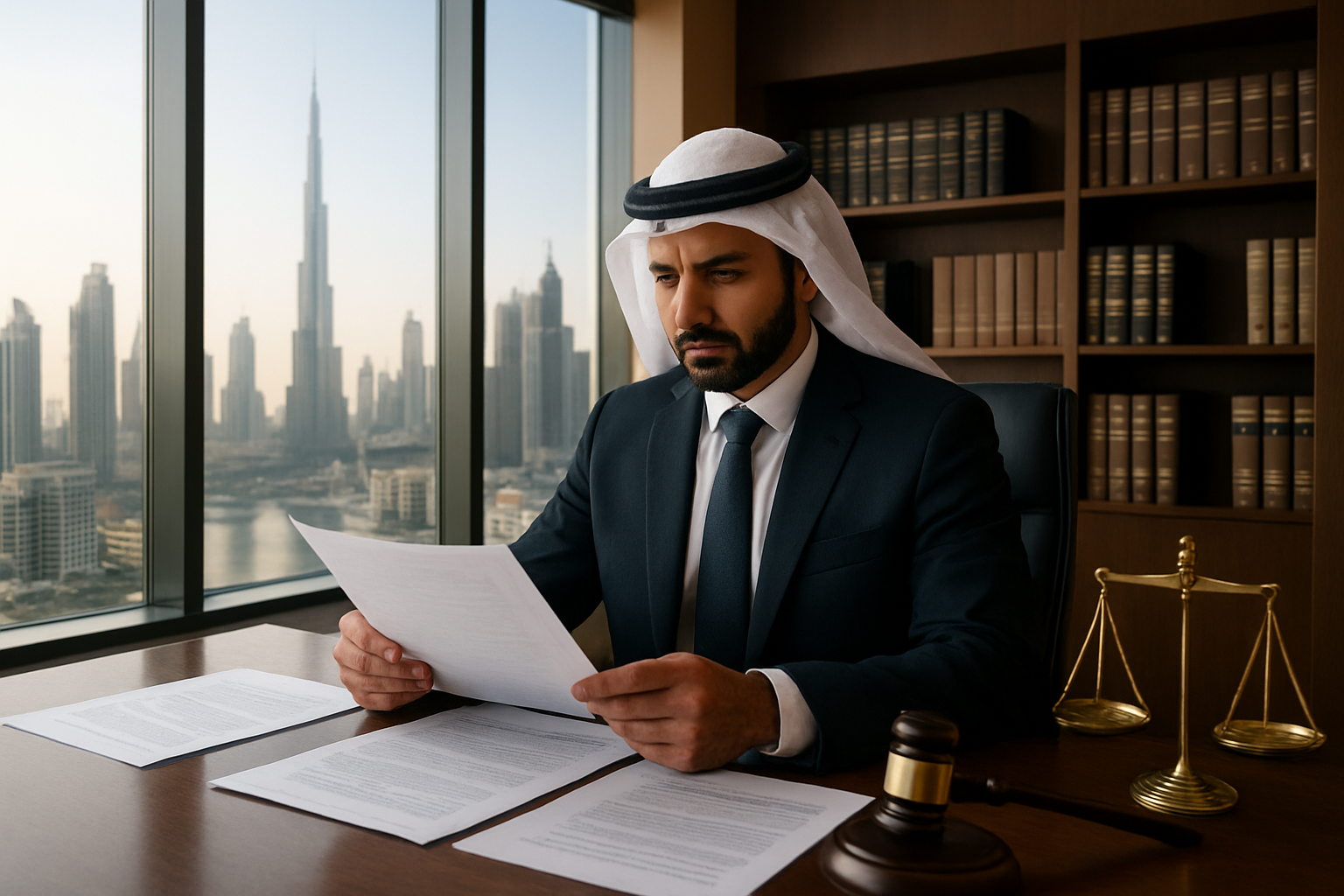
Developer warranties in Dubai represent a critical first line of defense for property buyers, yet many new homeowners don’t fully grasp what these agreements actually cover or how to leverage them effectively. Most developers in Dubai provide a standard one-year warranty on new construction properties, though premium developments may extend this to two years or more for specific components.
The warranty typically covers structural defects, major building systems like plumbing and electrical work, HVAC systems, and finishing materials. However, the devil lives in the details of what constitutes a “defect” versus normal wear and tear. Developers often exclude issues they classify as cosmetic or resulting from “normal settlement” of the building. Paint hairline cracks, minor tile variations, or slight door adjustments might be dismissed as acceptable variations rather than warranty-worthy defects.
Professional new construction inspection Dubai services become invaluable here because they create a comprehensive baseline of the property’s condition at handover. This documentation proves essential when disputing whether an issue existed at the time of purchase or developed afterward. Without this initial assessment, homeowners often find themselves in frustrating debates with developers about when problems actually began.
Dubai’s warranty landscape includes specific provisions for different property types. Apartments in high-rise developments may have different coverage terms than villa communities, particularly regarding shared building systems versus individual unit components. Luxury developments often provide enhanced warranties covering premium fixtures, smart home systems, and specialized materials that wouldn’t be included in standard coverage.
The warranty registration process requires careful attention to deadlines and procedures. Most developers require formal notification within specific timeframes – often 30 to 90 days – for warranty claims to be valid. Missing these windows can void coverage entirely, leaving homeowners responsible for repair costs that should have been covered. Some warranties also include maintenance requirements that homeowners must fulfill to keep coverage active, such as regular HVAC filter changes or annual system inspections.
Understanding warranty transferability becomes particularly important for investors or those planning to sell within the warranty period. Some developer warranties are tied to the original purchaser only, while others transfer to subsequent owners with proper notification and documentation. This distinction can significantly impact property value and buyer appeal in Dubai’s active real estate market.
Documenting Issues for Legal Claims
Proper documentation serves as the foundation for any successful legal claim against developers or contractors in Dubai’s construction industry. The emirate’s legal system places substantial weight on evidence quality and completeness, making thorough documentation practices essential for protecting property investments.
Photography represents the most immediate and powerful documentation tool available to property owners. High-resolution images should capture defects from multiple angles, including wide shots showing context and close-ups revealing specific details. Each photograph should include timestamp data and, when possible, reference objects for scale. Creating a systematic photographic record room by room ensures comprehensive coverage and makes it easier to organize evidence for legal proceedings.
Video documentation adds another dimension to evidence gathering, particularly for issues involving water damage, structural movement, or system malfunctions. Recording problems in action – like water leaking through ceiling fixtures or doors that won’t close properly – provides compelling evidence that static photographs cannot match. Video walkthroughs with narrated descriptions create a permanent record of observations and concerns that can be invaluable months or years later during legal proceedings.
Written documentation should accompany all visual evidence, creating detailed logs of discovered issues. Each entry should include the date of discovery, specific location within the property, detailed description of the problem, and any immediate actions taken. This written record becomes particularly valuable when tracking the progression of issues over time or demonstrating the scope of problems across the property.
Professional inspection reports provide expert documentation that carries significant weight in legal proceedings. These reports, conducted by qualified inspectors familiar with Dubai’s building standards and common construction issues, offer objective assessments of property conditions. The technical language and standardized reporting formats used by professional inspectors help translate complex construction issues into clear, legally relevant documentation.
Correspondence with developers, contractors, or management companies should be preserved meticulously. Email chains, text messages, written notices, and recorded phone call summaries all contribute to establishing timelines and demonstrating good faith efforts to resolve issues through normal channels before pursuing legal action. This communication record often proves crucial in showing that legal action became necessary only after other resolution attempts failed.
Third-party expert opinions can strengthen documentation packages significantly. Structural engineers, specialized contractors, or other construction professionals can provide written assessments of specific issues, particularly for complex problems involving building systems or structural integrity. These professional opinions carry substantial weight in legal proceedings and can help establish both the severity of issues and appropriate remediation costs.
Maintenance and repair records should be carefully preserved to demonstrate property care and rule out owner negligence as a cause of problems. Regular maintenance logs, service receipts, and repair invoices all contribute to showing responsible property stewardship, which strengthens legal positions when pursuing claims against developers or contractors.
RERA Regulations and Consumer Rights
The Real Estate Regulatory Agency (RERA) in Dubai has established comprehensive frameworks protecting property buyers’ rights, particularly regarding new construction defects and developer obligations. These regulations create enforceable standards that go beyond basic warranty coverage, providing additional avenues for recourse when construction issues arise.
RERA’s escrow account requirements ensure that developer funds are properly managed during construction phases, reducing the risk of project abandonment or quality compromises due to financial pressures. These regulations require developers to maintain separate accounts for each project, with funds released only upon meeting specific construction milestones. This system provides buyers with some protection against developers cutting corners or using inferior materials to preserve cash flow.
The agency’s registration and licensing requirements for developers create accountability mechanisms that didn’t exist in Dubai’s earlier development phases. Licensed developers must meet specific financial stability requirements, maintain professional insurance coverage, and comply with standardized reporting requirements. These regulations make it easier for buyers to verify developer credentials and pursue remedies when problems arise.
RERA’s dispute resolution mechanisms provide alternatives to traditional court proceedings for addressing construction defects and warranty disputes. The agency offers mediation services designed to resolve conflicts between buyers and developers more efficiently than formal litigation. These processes can be particularly effective for addressing multiple similar issues across a development, where coordinated resolution benefits all parties.
Consumer protection regulations under RERA mandate specific disclosure requirements for developers selling new construction properties. Developers must provide detailed information about construction materials, building specifications, completion timelines, and warranty coverage. This transparency helps buyers make informed decisions and creates legal obligations that can be enforced when developers fail to meet stated specifications or standards.
The Sales Purchase Agreement (SPA) regulations established by RERA standardize key contract terms and protect buyers from unfair clauses that previously appeared in developer contracts. These regulations limit developers’ ability to shift construction risk to buyers and establish clear timelines for project completion and unit handover. Buyers who understand these regulatory protections can more effectively enforce their rights when developers fail to meet obligations.
RERA’s building quality regulations work in conjunction with Dubai Municipality’s building codes to establish minimum construction standards that developers must meet. These regulations cover everything from structural integrity requirements to finishing quality standards, creating enforceable benchmarks for acceptable construction quality. When professional inspections reveal violations of these standards, buyers have clear regulatory grounds for pursuing remedies.
The agency’s complaint filing and investigation processes provide formal channels for reporting construction defects and seeking resolution. RERA investigates complaints against licensed developers and can impose penalties, require corrective action, or restrict developer licenses for serious violations. Understanding these processes helps buyers navigate the regulatory system effectively when facing construction defect issues.
Recent regulatory updates have strengthened buyer protection provisions, particularly regarding timely completion and quality standards. New regulations require developers to provide more detailed progress reporting and establish clearer penalties for delays or quality failures. These enhanced protections create additional leverage for buyers dealing with construction defect issues in newly completed developments.
RERA’s integration with other regulatory bodies, including Dubai Municipality and the Dubai Economic Department, creates comprehensive oversight of the construction and real estate sectors. This coordination ensures that building code violations, safety issues, and quality problems are addressed through appropriate channels, whether regulatory enforcement, professional licensing actions, or consumer protection measures.
The agency’s public database systems provide transparency about developer track records, project status, and complaint histories that help buyers make informed decisions about new construction purchases. These resources also support legal proceedings by providing official documentation of developer licenses, project approvals, and regulatory compliance records that can be crucial evidence in defect-related disputes.
Quality Standards and Building Code Compliance
Dubai Municipality Building Standards
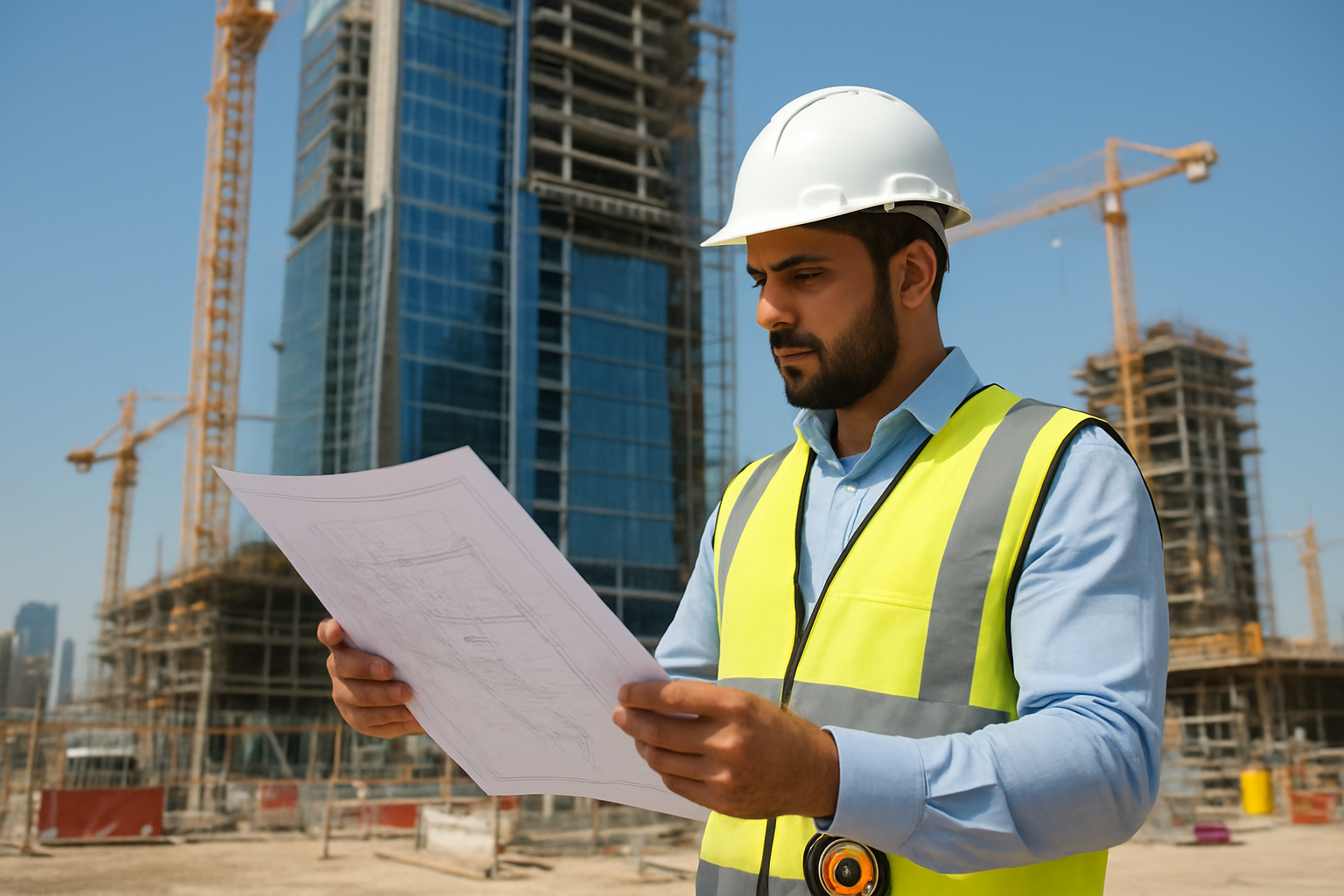
Dubai Municipality sets strict building standards that all new construction projects must follow. These standards cover everything from structural integrity to materials used in construction. When you invest in new construction inspection Dubai services, inspectors verify that your property meets these specific local requirements.
The Dubai Building Code encompasses detailed specifications for foundation work, structural elements, electrical systems, and plumbing installations. Inspectors check that concrete strength meets the required PSI ratings, typically ranging from 3,000 to 4,000 PSI for residential buildings. Steel reinforcement must comply with American Society for Testing and Materials (ASTM) standards, with proper spacing and coverage ratios verified during inspection.
Electrical installations must conform to Dubai Municipality’s electrical code, which is based on International Electrotechnical Commission (IEC) standards. This includes proper grounding systems, circuit protection devices, and load calculations. Professional inspectors verify that electrical panels are properly labeled, circuits are correctly sized for their intended loads, and all connections meet local safety requirements.
Plumbing systems require compliance with specific pipe materials, sizing, and installation methods outlined in Dubai’s plumbing code. Water supply systems must maintain proper pressure levels throughout the building, while drainage systems need adequate slope and venting. Inspectors test these systems to confirm they meet municipal standards before occupancy.
Building envelope requirements focus on thermal performance and moisture protection. Wall assemblies must achieve specific R-values for insulation, while windows and doors need to meet air infiltration standards. Roofing systems require proper waterproofing membranes and drainage systems designed for Dubai’s climate conditions.
Green Building Certification Requirements
Dubai has embraced sustainable construction practices through various green building certification programs. The Dubai Green Building Regulations mandate specific environmental performance standards for new construction projects over certain sizes. Professional property inspections verify compliance with these green building requirements.
The Al Sa’fat Dubai Green Building Evaluation System serves as the emirate’s primary green building certification program. This system evaluates buildings across multiple categories including energy efficiency, water conservation, materials selection, indoor environmental quality, and innovation in design. Inspectors assess compliance with point-based scoring systems that determine certification levels.
Energy performance requirements focus on building envelope efficiency, HVAC system performance, and lighting design. Buildings must achieve specific energy use intensity targets measured in kilowatt-hours per square meter annually. Inspectors verify that insulation values, window performance ratings, and mechanical system efficiencies meet the prescribed standards.
Water conservation measures include low-flow fixtures, efficient irrigation systems, and rainwater harvesting capabilities where applicable. Green building inspections confirm that water-saving devices are properly installed and functioning as designed. Landscaping must incorporate native or adapted plant species that reduce irrigation demands.
Indoor environmental quality standards address ventilation rates, air filtration, thermal comfort, and acoustic performance. Mechanical systems must deliver adequate fresh air while maintaining temperature and humidity within acceptable ranges. Inspectors use specialized equipment to measure air quality parameters and verify compliance with green building standards.
Material selection criteria emphasize locally sourced materials, recycled content, and low-emission products. Construction waste management plans must demonstrate recycling targets and disposal methods. Inspectors review material certifications and waste diversion records to confirm compliance with green building requirements.
Safety Code Adherence Verification
Safety codes form the backbone of building regulations, protecting occupants from various hazards. Dubai’s safety codes address fire protection, structural stability, electrical safety, and emergency egress requirements. Professional inspectors systematically verify compliance with these critical safety provisions.
Structural safety verification involves checking foundation adequacy, load-bearing capacity, and seismic resistance requirements. Dubai’s seismic zone classification requires buildings to withstand specific ground acceleration forces. Inspectors review structural calculations and confirm that construction details match approved plans.
Electrical safety encompasses proper installation of wiring systems, grounding networks, and overcurrent protection devices. Ground fault circuit interrupters (GFCIs) must be installed in bathrooms, kitchens, and outdoor locations. Arc fault circuit interrupters (AFCIs) are required in bedrooms and living areas to prevent electrical fires.
Emergency egress requirements ensure occupants can safely exit buildings during emergencies. Stairwell widths, door swing directions, and exit lighting must meet specific dimensional and performance criteria. Inspectors verify that emergency exits remain unobstructed and that exit signs are properly illuminated.
Handrail and guardrail systems require specific height measurements and load-bearing capabilities. Balcony railings must withstand horizontal loads while maintaining proper spacing between balusters. Stairway handrails need appropriate grip dimensions and continuous installation along the full length of stairs.
Window and glazing safety standards address impact resistance, tempered glass requirements, and fall protection measures. Large glazed areas must use safety glass or include protective barriers to prevent accidental impact. Window opening controls ensure that operable windows in upper floors include safety limiters.
International Construction Standard Compliance
Dubai’s construction industry incorporates international standards to maintain world-class building quality. These standards cover materials testing, construction methods, and performance criteria that align with globally recognized practices. Professional inspections verify compliance with these international benchmarks.
American Concrete Institute (ACI) standards govern concrete mix designs, placement procedures, and quality control testing. Concrete compressive strength testing follows standardized procedures with cylinder samples tested at 7, 14, and 28-day intervals. Slump tests verify workability during placement, while air content measurements ensure proper freeze-thaw resistance.
American Society of Civil Engineers (ASCE) standards address structural design loads including wind, seismic, and live load requirements. Wind load calculations consider Dubai’s coastal location and potential for high-speed winds during shamal events. Structural connections must meet specific strength and ductility requirements outlined in these international standards.
International Building Code (IBC) provisions influence many aspects of Dubai’s building regulations. These include occupancy classifications, fire resistance ratings, and accessibility requirements. Inspectors verify that building designs and construction details align with applicable IBC provisions adapted for local conditions.
ASTM International standards cover material specifications for steel, concrete, masonry, and other building components. Steel reinforcement must meet specific grade requirements with proper mill certifications. Masonry units require compressive strength testing and absorption rate verification to ensure durability in Dubai’s climate.
International Organization for Standardization (ISO) standards address quality management systems and environmental management practices. Construction companies must demonstrate compliance with ISO 9001 quality management principles through documented procedures and regular audits. Environmental management systems follow ISO 14001 standards for minimizing construction impacts.
Fire Safety and Emergency System Checks
Fire safety systems represent critical building components that require thorough inspection and testing. Dubai’s fire code mandates comprehensive fire protection systems for new construction projects. Professional inspectors verify proper installation and functionality of all fire safety equipment and systems.
Fire alarm systems must include smoke detectors, heat detectors, and manual pull stations strategically located throughout buildings. Detection devices require proper spacing based on ceiling height and room configuration. Inspectors test each device to confirm proper operation and verify connection to central monitoring systems.
Sprinkler systems need adequate water supply pressure and flow rates to effectively suppress fires. Sprinkler head spacing and temperature ratings must match the hazard classification of protected areas. Inspectors verify that sprinkler piping includes proper hangers, fittings, and drainage provisions. Water flow testing confirms that system hydraulics meet design specifications.
Fire suppression systems in mechanical rooms, kitchens, and other specialized areas require specific agent types and distribution methods. Clean agent systems must maintain proper concentration levels while ensuring safe egress for occupants. Kitchen hood suppression systems need proper nozzle placement and manual activation capabilities.
Emergency lighting systems provide illumination during power outages to facilitate safe egress. Battery backup systems must maintain adequate light levels for specified duration periods. Exit signs require proper visibility and mounting heights with backup power connections. Inspectors test these systems under simulated power failure conditions.
Fire-rated assemblies including walls, floors, and doors must maintain their integrity during fire exposure. Fire doors require proper hardware, sealing systems, and closing mechanisms. Inspectors verify that fire-rated penetrations include appropriate firestopping materials installed according to tested assemblies.
Smoke control systems prevent smoke accumulation in exit routes and designated refuge areas. Mechanical ventilation systems must include smoke detection interfaces that activate exhaust fans and close dampers as designed. Natural smoke venting systems require proper opening sizes and activation methods.
Fire department access requirements ensure that emergency vehicles can reach buildings effectively. Fire lane widths, turning radii, and surface load-bearing capacity must accommodate fire apparatus. Standpipe and fire department connection locations need accessibility and proper signage for emergency responders.
Professional fire safety inspections include comprehensive testing of all systems under actual operating conditions. This verification process confirms that fire protection systems will perform as intended during emergency situations, providing essential life safety protection for building occupants.
Professional Inspection Process and Timeline
Pre-Handover Inspection Benefits
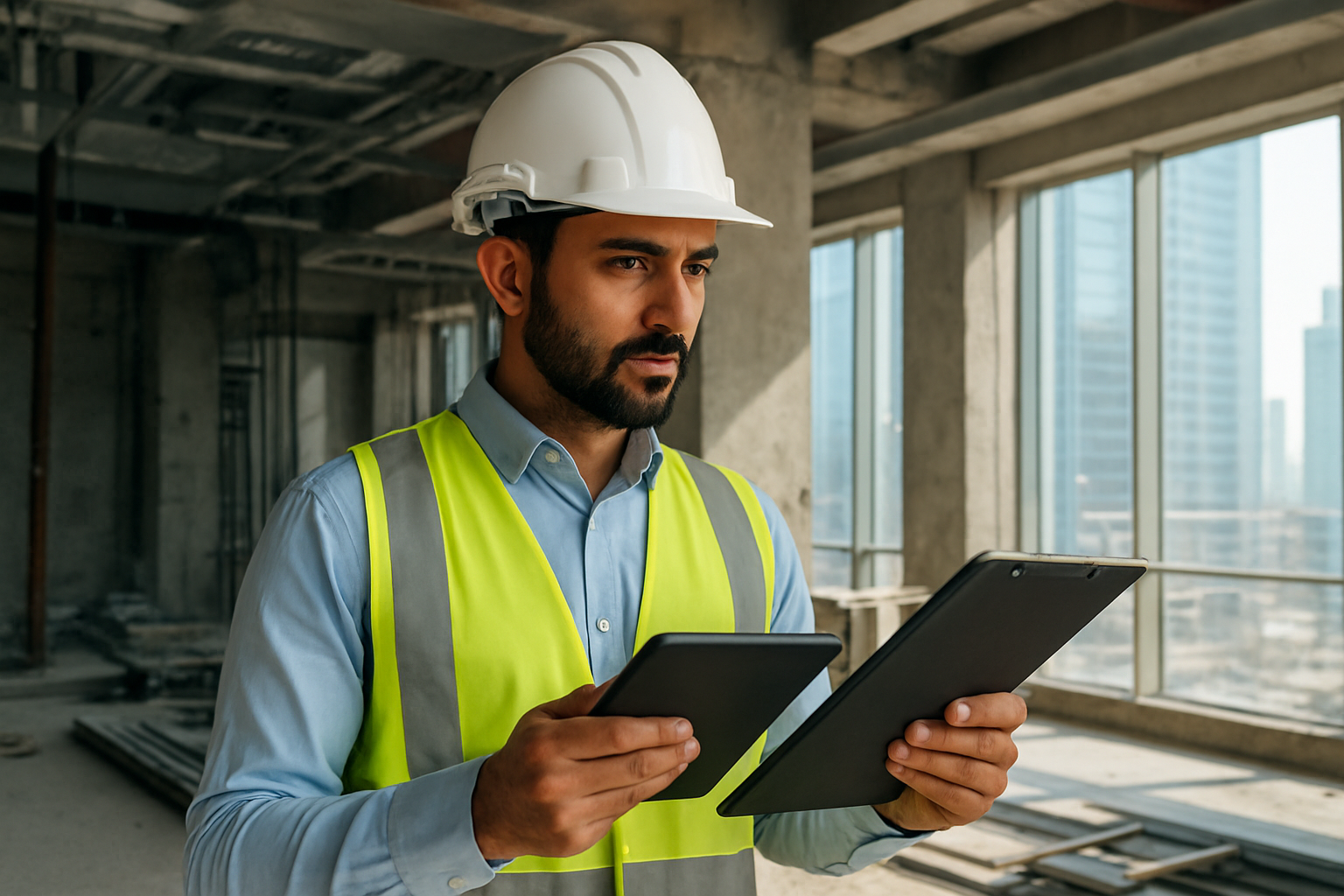
Getting a professional inspection before you officially take possession of your new property in Dubai can save you thousands of dirhams and countless headaches down the road. Most buyers think the developer’s quality checks are enough, but that’s like letting someone grade their own homework. Independent inspectors work for you, not the builder, so they’ll spot issues that might otherwise slip through the cracks.
The timing here is crucial. Once you sign those handover documents, your leverage disappears. Developers are much more willing to fix problems before handover because they want to close the deal. After you’ve signed? Good luck getting them to return your calls promptly. A pre-handover inspection typically reveals 15-20 defects per property on average, ranging from minor cosmetic issues to significant structural concerns.
Property buyers who skip this step often discover problems months later when warranty claims become complicated. Imagine finding water damage behind kitchen cabinets six months after moving in. The developer might argue it happened after handover due to your usage patterns. With a pre-handover inspection report, you have documented proof that the issue existed from day one.
The inspection process also gives you valuable negotiation power. When defects are identified, you can request repairs, ask for monetary compensation, or even negotiate a delayed handover until issues are resolved. Some buyers have successfully reduced their purchase price by 2-3% based on inspection findings, especially when multiple significant issues are discovered.
Smart buyers also use this time to familiarize themselves with their property’s systems. Inspectors can show you where main shut-off valves are located, explain how to operate specialized equipment, and provide maintenance tips specific to your unit. This knowledge proves invaluable when minor issues arise later.
Pre-handover inspections are particularly valuable in Dubai’s fast-paced construction environment. Developers often rush to meet handover deadlines, especially toward the end of fiscal quarters. This rush can lead to overlooked details and shortcuts that compromise quality. An independent inspection acts as your quality control checkpoint.
Comprehensive Property Assessment Methods
Professional inspectors in Dubai follow systematic methodologies that cover every aspect of your new property. The assessment begins with exterior elements, examining the building envelope, balconies, terraces, and common areas that affect your unit. Inspectors check for proper waterproofing, especially critical in Dubai’s climate where thermal expansion and occasional heavy rains can exploit weak points.
Structural assessments focus on visible elements like walls, ceilings, floors, and load-bearing components. Inspectors look for cracks, settlement issues, or signs of structural movement. In high-rise buildings common in Dubai, they pay special attention to how well different building materials interface with each other, as thermal expansion differences can create stress points.
The electrical system evaluation covers distribution panels, outlet placement, GFCI protection, and proper grounding. Dubai’s electrical standards require specific safety features, particularly in wet areas like bathrooms and kitchens. Inspectors test outlets, switches, and lighting fixtures while checking that circuit loads are properly distributed. They also verify that electrical work meets Dubai Municipality’s stringent safety codes.
Plumbing assessments involve checking water pressure, drainage systems, fixture installations, and water heater functionality. In Dubai’s multi-story buildings, water pressure can vary significantly between floors. Inspectors test all faucets, toilets, and drains to ensure proper operation. They also examine exposed pipes for proper insulation and support, which helps prevent noise transmission between units.
HVAC system evaluation is particularly comprehensive given Dubai’s reliance on air conditioning. Inspectors check ductwork for proper sealing and insulation, test cooling performance in each room, and verify that ventilation systems provide adequate fresh air exchange. They also examine condensate drainage systems, which must handle significant moisture loads during humid periods.
Window and door assessments cover operation, sealing, and security features. Inspectors check that windows open and close smoothly, that locks function properly, and that weather sealing is intact. In Dubai’s sandy environment, poor window seals can allow dust infiltration that affects indoor air quality and increases cleaning requirements.
Interior finishes receive detailed attention, including flooring, wall coverings, cabinetry, and built-in fixtures. Inspectors look for installation defects, material damage, and workmanship issues. They check that tile work is level and properly grouted, that cabinet doors align correctly, and that hardware is securely fastened.
Technology systems common in Dubai’s newer properties also receive evaluation. This includes smart home features, building automation systems, security equipment, and communication infrastructure. Inspectors verify that these systems function as advertised and integrate properly with building management systems.
Documentation and Reporting Standards
Professional inspection reports in Dubai follow internationally recognized standards while addressing local regulatory requirements. These comprehensive documents serve as both immediate action items and long-term reference materials. The best inspection companies provide reports within 24-48 hours of completing the physical inspection, allowing you to address issues while they’re fresh in everyone’s mind.
Visual documentation forms the backbone of quality inspection reports. High-resolution photographs accompany every identified defect, often with multiple angles to fully illustrate the problem. Inspectors use specialized photography techniques to capture issues that might not be immediately obvious, such as moisture intrusion or electrical problems. Some companies now use thermal imaging to detect hidden issues like air leaks or insulation gaps.
Defect categorization helps prioritize repair needs. Most inspection reports classify issues into three categories: major defects requiring immediate attention before handover, minor defects that should be addressed but don’t prevent occupancy, and cosmetic issues that affect appearance but not functionality. This system helps you focus on the most critical items during negotiations with developers.
Detailed descriptions accompany each identified issue, explaining not just what’s wrong but why it matters. For example, rather than simply noting “crack in bathroom wall,” a quality report explains whether the crack suggests structural movement, poor workmanship, or normal settling. This context helps you understand which issues need urgent attention and which can wait.
Location mapping within reports makes it easy for repair crews to find and address specific problems. The best inspection companies provide floor plans marking each defect location, often with GPS coordinates for exterior issues. This precision reduces confusion and speeds up the repair process.
Compliance references link identified issues to specific building codes or standards. When inspectors note that electrical outlets lack required GFCI protection, they cite the relevant Dubai Municipality regulation. This documentation strengthens your position when requesting repairs and helps contractors understand exactly what needs correction.
Recommended actions for each defect provide clear guidance on next steps. Reports specify whether issues require immediate professional repair, routine maintenance, or monitoring over time. Some defects might need specialist evaluation, such as structural engineers for foundation concerns or HVAC technicians for air conditioning problems.
Digital delivery systems allow easy sharing and archiving of inspection reports. Most companies provide cloud-based access so you can share reports with your real estate agent, lawyer, or contractor from anywhere. Search functionality within digital reports helps you quickly locate specific issues or recommendations months later.
Follow-up inspection protocols outline how to verify completed repairs. Quality inspection companies often provide re-inspection services at discounted rates to confirm that contractors properly addressed identified defects. This service is particularly valuable for complex issues that require specialized repair techniques.
Report retention recommendations help you maintain important documentation. Building warranties typically require proof that defects existed at handover, making your inspection report a valuable legal document. Some inspection companies maintain report archives, providing backup copies if your original documentation is lost or damaged.
Integration with warranty tracking systems helps you manage ongoing property maintenance. Some advanced inspection reports include QR codes or digital links that connect to maintenance scheduling platforms. This technology helps ensure that warranty claims are filed on time and that preventive maintenance doesn’t get overlooked.
The most comprehensive inspection reports also include maintenance recommendations specific to Dubai’s environment. These might cover air filter replacement schedules, seal inspection intervals, or seasonal preparation tasks. This guidance helps new property owners maintain their investment and avoid problems that could void warranty coverage.
Even brand-new properties in Dubai can hide costly surprises beneath their polished surfaces. From structural issues caused by the harsh desert climate to construction shortcuts that violate building codes, professional inspections catch problems that could drain your wallet later. The financial protection alone makes the inspection fee look like pocket change compared to potential repair costs, and you’ll have solid documentation to protect your legal rights and warranty claims.
Don’t let the excitement of a new property purchase cloud your judgment. Schedule a professional inspection before you sign those final papers – it’s your best defense against hidden defects and ensures you’re getting the quality construction you’re paying for. Your future self will thank you for taking this smart step to protect one of your biggest investments.