A home inspection in the UAE is your safety net before buying or selling property in this unique market. This guide is for homebuyers, sellers, and property investors who want to understand what happens during a professional property evaluation.
The UAE’s extreme climate and specific building codes create inspection challenges you won’t find elsewhere. During your home inspection UAE process, you’ll discover potential issues before they become expensive problems.
We’ll walk you through choosing a qualified inspector who understands local regulations and climate factors. You’ll also learn how to read your inspection report and decide what findings require immediate attention versus routine maintenance.
Smart buyers use inspections to negotiate repairs or adjust offers, while sellers can address problems upfront to avoid last-minute deal complications.
Understanding Home Inspection Requirements in the UAE

Legal Obligations for Property Buyers and Sellers
Property transactions in the UAE come with specific inspection requirements that differ significantly from other international markets. Both buyers and sellers must understand their legal responsibilities to ensure smooth property transfers and avoid costly disputes down the line.
Buyer Responsibilities
Property buyers in the UAE have the right to conduct thorough home inspections before finalizing their purchase, though this right comes with specific timelines and procedures. Under UAE property law, buyers must exercise due diligence within the agreed-upon inspection period, typically ranging from 7 to 14 days after signing the initial agreement. This period cannot be extended without mutual consent from both parties.
During this window, buyers can engage qualified inspectors to evaluate the property’s condition. The inspection covers structural integrity, electrical systems, plumbing, HVAC performance, and compliance with local building codes. If significant defects are discovered, buyers have the legal right to negotiate repairs, request price adjustments, or withdraw from the transaction entirely.
Buyers must also ensure their chosen inspector holds proper licensing and insurance coverage. Using unlicensed inspectors can void warranty claims and create liability issues if problems arise after purchase. The inspection report becomes part of the legal documentation and can be used in future disputes or insurance claims.
Seller Obligations
Property sellers in the UAE must provide reasonable access for inspections and disclose known defects that could affect the property’s value or safety. This disclosure requirement extends beyond obvious structural issues to include problems with utilities, pest infestations, or environmental concerns.
Sellers cannot unreasonably restrict inspection access or limit the scope of evaluation. Attempting to hide defects or prevent thorough inspection can result in legal action and financial penalties. The seller must also ensure all utilities are operational during inspection periods and provide necessary documentation about recent repairs or modifications.
In off-plan purchases, developers have additional obligations to allow inspections at key construction milestones. These interim inspections help identify issues before project completion and ensure compliance with approved plans and specifications.
Warranty and Liability Considerations
The UAE’s property laws include specific warranty periods for different building components. New construction typically comes with a 10-year structural warranty, 2-year mechanical systems warranty, and 1-year finish work warranty. Home inspections UAE procedures help document the property’s condition at transfer, establishing baseline conditions for warranty claims.
Both parties should understand how inspection findings affect these warranties. Pre-existing conditions identified during inspection may not be covered under builder warranties, making thorough documentation essential for future claims.
Dubai Municipality and Local Authority Regulations
Each emirate in the UAE maintains its own property inspection standards and regulatory framework. Dubai Municipality leads the region with comprehensive inspection protocols that serve as models for other emirates.
Dubai Municipality Standards
Dubai Municipality requires all residential properties to meet specific safety and habitability standards before occupancy permits are issued. These standards cover fire safety systems, structural integrity, electrical compliance, and environmental health factors. Properties built after 2010 must also meet enhanced energy efficiency requirements.
The Municipality’s inspection checklist includes over 200 individual items across all building systems. Inspectors verify proper installation of smoke detectors, emergency lighting, and fire suppression systems. Electrical systems must comply with IEC standards, while plumbing installations follow British Standards (BS) or equivalent international codes.
All inspected properties receive a completion certificate that validates compliance with building codes and safety requirements. This certificate is mandatory for property registration and cannot be obtained without passing the official inspection process.
Emirate-Specific Requirements
Abu Dhabi follows similar but distinct regulations under the Abu Dhabi Urban Planning Council. Their inspection protocols emphasize sustainability and environmental compliance, reflecting the emirate’s focus on green building practices. Properties must demonstrate compliance with Estidama (Pearl Rating System) requirements where applicable.
Sharjah and other northern emirates have adopted modified versions of Dubai’s standards, with additional focus on traditional architectural preservation in certain districts. These areas may require specialized inspections to ensure renovations comply with heritage conservation guidelines.
Professional Licensing Requirements
Home inspection UAE professionals must obtain licensing through the relevant emirate authorities. Dubai requires inspectors to complete approved training programs and pass comprehensive examinations covering local building codes, inspection methodology, and report writing standards.
Licensed inspectors must maintain continuing education credits and carry professional liability insurance. The licensing system ensures inspectors stay current with evolving building standards and regulatory changes. Property buyers should always verify their inspector’s licensing status before engaging their services.
Required Documentation and Permits
Successful home inspections require proper documentation and, in some cases, specific permits. Understanding these requirements prevents delays and ensures comprehensive property evaluation.
Essential Documentation
Property buyers need several key documents before scheduling inspections. The primary requirement is a signed sales agreement or memorandum of understanding that grants inspection rights. This document should specify the inspection period duration and any limitations on inspector access.
Original building permits and completion certificates are crucial for verifying the property was constructed according to approved plans. These documents help inspectors identify any unauthorized modifications that might affect structural integrity or code compliance. Properties without proper documentation may face restrictions on financing or insurance coverage.
Utility connection records provide valuable information about electrical, water, and gas service capacity. Inspectors use these records to verify system adequacy and identify potential upgrade requirements. DEWA (Dubai Electricity and Water Authority) connection certificates are particularly important for properties in Dubai.
Specialized Permits for Inspection Activities
Certain inspection procedures require additional permits, particularly when dealing with heritage properties or buildings in special zones. Properties in conservation areas may need Municipality approval before conducting invasive testing procedures that could affect historic fabric.
High-rise buildings often require specialized access permits for external inspections. These permits ensure compliance with safety protocols for elevated work and may specify required safety equipment or procedures. Building management companies typically coordinate these permits on behalf of property buyers.
Swimming pools, elevators, and other specialized building features may require certified technicians with specific licensing. These inspections cannot be performed by general home inspectors and need coordination with specialized service providers.
Record Keeping Requirements
All inspection documentation must be maintained according to UAE legal requirements. Inspection reports become part of the property’s permanent record and may be required for insurance claims, warranty disputes, or future sales transactions.
Digital copies of all inspection documentation should be stored securely and backed up to cloud services. Physical copies of critical documents like completion certificates should be kept in fireproof storage. These records prove invaluable when dealing with utility companies, insurance providers, or maintenance contractors.
Property management companies in multi-unit buildings maintain master files of inspection records for all units. Individual owners should obtain copies of relevant building-wide inspection reports that might affect their specific unit.
Timeline Considerations for Inspection Scheduling
Timing plays a critical role in successful home inspection UAE processes. Understanding typical schedules and potential delays helps buyers plan effectively and avoid rushed decisions.
Standard Inspection Timelines
Most property purchase agreements in the UAE allow 7-14 days for inspection completion. This period begins when the sales agreement is signed and cannot be extended without seller consent. Buyers should immediately begin inspector selection and scheduling to maximize their evaluation time.
Comprehensive residential inspections typically require 3-4 hours for apartments and 6-8 hours for villas, depending on property size and complexity. Additional time is needed for specialized inspections of pools, elevators, or extensive outdoor areas. Complex properties may require multiple inspection sessions spread across several days.
Inspection reports are usually delivered within 24-48 hours of completion, though complex properties may require additional processing time. Buyers should factor this reporting delay into their decision timeline to ensure adequate review time before purchase deadlines.
Seasonal Considerations
The UAE’s climate creates specific challenges for inspection scheduling. Summer months (June through September) present extreme heat conditions that can affect both inspector performance and equipment accuracy. Thermal imaging and electronic diagnostic tools may produce unreliable results in extreme temperatures.
Winter months offer optimal inspection conditions with moderate temperatures and lower humidity. However, this peak season creates higher demand for qualified inspectors, potentially extending scheduling timelines. Buyers should book inspections well in advance during popular seasons.
Ramadan presents unique scheduling challenges as many inspectors adjust their working hours. Construction activities may also be limited during this period, affecting access to off-plan properties or ongoing renovation projects.
Coordination with Multiple Parties
Home inspections require coordination between buyers, sellers, real estate agents, property management, and utility companies. Each party has different scheduling constraints that must be balanced to ensure successful inspection completion.
Sellers must ensure property access during agreed-upon timeframes and coordinate any necessary security clearances for gated communities or high-security buildings. Property management companies need advance notice to schedule elevator reservations, parking arrangements, and any required safety permits.
Utility companies may need scheduling for meter readings or system testing, particularly for vacant properties where services have been temporarily disconnected. These coordination requirements can add several days to the overall inspection timeline.
Emergency and Expedited Procedures
Some situations require expedited inspection scheduling, such as investor purchases with tight closing deadlines or properties with pending rental commitments. While possible, rush inspections often cost significantly more and may not be as thorough as standard procedures.
Emergency inspection procedures exist for properties with suspected safety hazards or structural concerns. These inspections take priority over routine scheduling and may be required by local authorities before occupancy permits can be issued.
Buyers facing tight deadlines should discuss expedited options with multiple inspection companies to ensure availability. However, rushing the inspection process increases the risk of overlooking important defects that could prove costly after purchase completion.
Choosing the Right Home Inspector

Certified Inspector Qualifications and Licensing
The foundation of any reliable home inspection UAE starts with choosing someone who has the proper credentials. Unlike some countries where home inspection is loosely regulated, the UAE has specific requirements that qualified inspectors must meet. Professional inspectors should hold certifications from recognized international bodies such as the International Association of Certified Home Inspectors (InterNACHI), the American Society of Home Inspectors (ASHI), or similar organizations.
In the UAE, legitimate home inspectors typically hold engineering degrees or technical diplomas in construction-related fields. Civil engineering, mechanical engineering, or architecture backgrounds are particularly valuable because these professionals understand building systems, structural integrity, and the technical aspects of construction that matter most during inspections.
Professional licensing varies between emirates, but most reputable inspectors will have business licenses issued by the relevant authorities in Dubai, Abu Dhabi, or other emirates where they operate. The Dubai Municipality and Abu Dhabi Municipality maintain lists of approved professionals, and you can verify an inspector’s credentials through these official channels.
Look for inspectors who maintain continuing education requirements. The construction industry evolves constantly, with new building codes, materials, and technologies emerging regularly. Inspectors who attend workshops, seminars, and training programs stay current with these changes. They understand the latest building standards and can spot problems that less experienced or outdated inspectors might miss.
Membership in professional associations provides another layer of credibility. Organizations like InterNACHI require members to follow strict codes of ethics, maintain insurance coverage, and participate in ongoing education. These associations often provide additional resources and support that help inspectors deliver better service to their clients.
Check whether your potential inspector has specialized certifications for specific systems. Electrical inspections, HVAC systems, pool and spa inspections, and structural assessments often require additional training and certification. If your property has unique features like solar panels, swimming pools, or complex mechanical systems, make sure your inspector has the qualifications to evaluate these components properly.
Experience with UAE Construction Standards
Construction practices in the UAE differ significantly from those in other countries, making local experience essential when selecting a home inspector. The region’s unique climate, building materials, and construction methods require specialized knowledge that only comes from working extensively in the local market.
UAE construction standards have evolved rapidly over the past few decades. Buildings constructed in the 1980s and 1990s often used different materials and techniques compared to modern developments. An experienced local inspector understands these differences and knows what to look for in properties from different eras. They can identify whether upgrades or modifications meet current standards and spot potential issues that might not be obvious to someone unfamiliar with local construction practices.
The Dubai Building Code and Abu Dhabi’s construction standards have specific requirements for everything from fire safety systems to energy efficiency measures. Inspectors familiar with these local codes can assess whether a property complies with current regulations and identify any code violations that might affect your ownership experience or resale value.
Local experience also means understanding common construction issues specific to the region. For example, many developments in Dubai and other emirates have faced problems with waterproofing, concrete quality, or finish work. An inspector who has worked on similar properties knows where these issues typically occur and can conduct a more thorough evaluation of potentially problematic areas.
Ask potential inspectors about their experience with different types of properties common in the UAE. Villa communities, high-rise apartments, and townhouse developments each have unique characteristics and potential issues. An inspector who has worked extensively with your property type will be more efficient and thorough during the inspection process.
Consider the inspector’s familiarity with different developers and construction companies. Some builders have better reputations for quality and attention to detail, while others are known for cutting corners or using substandard materials. An experienced local inspector often knows which developers to watch carefully and can adjust their inspection approach accordingly.
The inspector should understand local maintenance challenges. The harsh climate, dust storms, and high humidity affect buildings differently than in other climates. Experienced inspectors know how these environmental factors impact different building systems and materials over time, allowing them to provide more accurate assessments of a property’s condition and maintenance needs.
Insurance Coverage and Professional Liability
Professional liability insurance protects both you and the inspector in case something goes wrong during or after the inspection. This coverage is not optional – it’s a fundamental requirement for any professional home inspection service. However, not all insurance policies are created equal, and understanding what coverage your inspector carries can save you significant headaches later.
Errors and omissions insurance covers situations where the inspector makes mistakes or misses important issues during the inspection. This might include failing to identify structural problems, missing electrical hazards, or overlooking plumbing issues that later cause expensive damage. The coverage should be substantial enough to handle major claims, typically ranging from AED 500,000 to several million dirhams depending on the inspector’s business size and risk exposure.
General liability insurance covers accidents that might occur during the inspection process. This includes situations where the inspector accidentally damages property, causes injuries, or creates safety hazards while performing their work. While professional inspectors are trained to work carefully and minimize risks, accidents can happen, and proper insurance coverage ensures everyone is protected.
Ask to see proof of insurance before hiring any inspector. Legitimate professionals will readily provide certificates of insurance or contact information for their insurance providers. Be wary of inspectors who can’t or won’t provide this documentation, as working without proper coverage puts both parties at significant risk.
The insurance should be current and cover the specific type of work being performed. Some policies have exclusions for certain types of properties or inspection activities. Make sure the coverage applies to your property type and the scope of work you’re requesting. Commercial properties, luxury homes, or properties with unique features might require specialized coverage.
Consider the financial stability of the insurance company providing coverage. An insurance policy is only as good as the company’s ability to pay claims. Research the insurer’s ratings and reputation to ensure they can handle claims if issues arise. Your inspector should be willing to provide information about their insurance carrier and policy details.
Professional liability coverage should extend beyond the inspection date. Some problems don’t become apparent immediately, and you might discover issues months or even years after the inspection. Look for inspectors whose insurance provides extended coverage periods, protecting you even after the initial inspection is complete.
The inspector’s claims history can provide insights into their professionalism and quality of work. While you might not get detailed information about specific claims, you can ask about their general claims experience and how they handle disputes or problems that arise after inspections. Inspectors with clean track records and professional approaches to problem resolution are generally safer choices.
Bonding provides an additional layer of protection. Bonded inspectors have posted financial guarantees that can be used to compensate clients if the inspector fails to fulfill their professional obligations. While not always required, bonding demonstrates an additional commitment to professional standards and client protection.
Review the inspection agreement carefully to understand how insurance coverage relates to the inspector’s liability limitations. Many inspection contracts include clauses that limit the inspector’s financial responsibility to the cost of the inspection. While these limitations are common and often legally enforceable, understanding them helps you make informed decisions about additional protection you might want to secure independently.
The inspector should maintain adequate coverage levels relative to property values in the UAE real estate market. With property values often reaching millions of dirhams, insurance coverage needs to be proportional to potential exposure. Inspectors working with high-value properties should carry correspondingly higher insurance limits to provide meaningful protection for their clients.
Professional inspectors often carry multiple types of coverage beyond basic liability insurance. This might include cyber liability insurance to protect against data breaches, workers’ compensation for employees, and business interruption coverage. While these additional coverages don’t directly benefit you as a client, they demonstrate the inspector’s commitment to running a professional, well-protected business that can continue serving clients even if problems arise.
Pre-Inspection Preparation Steps
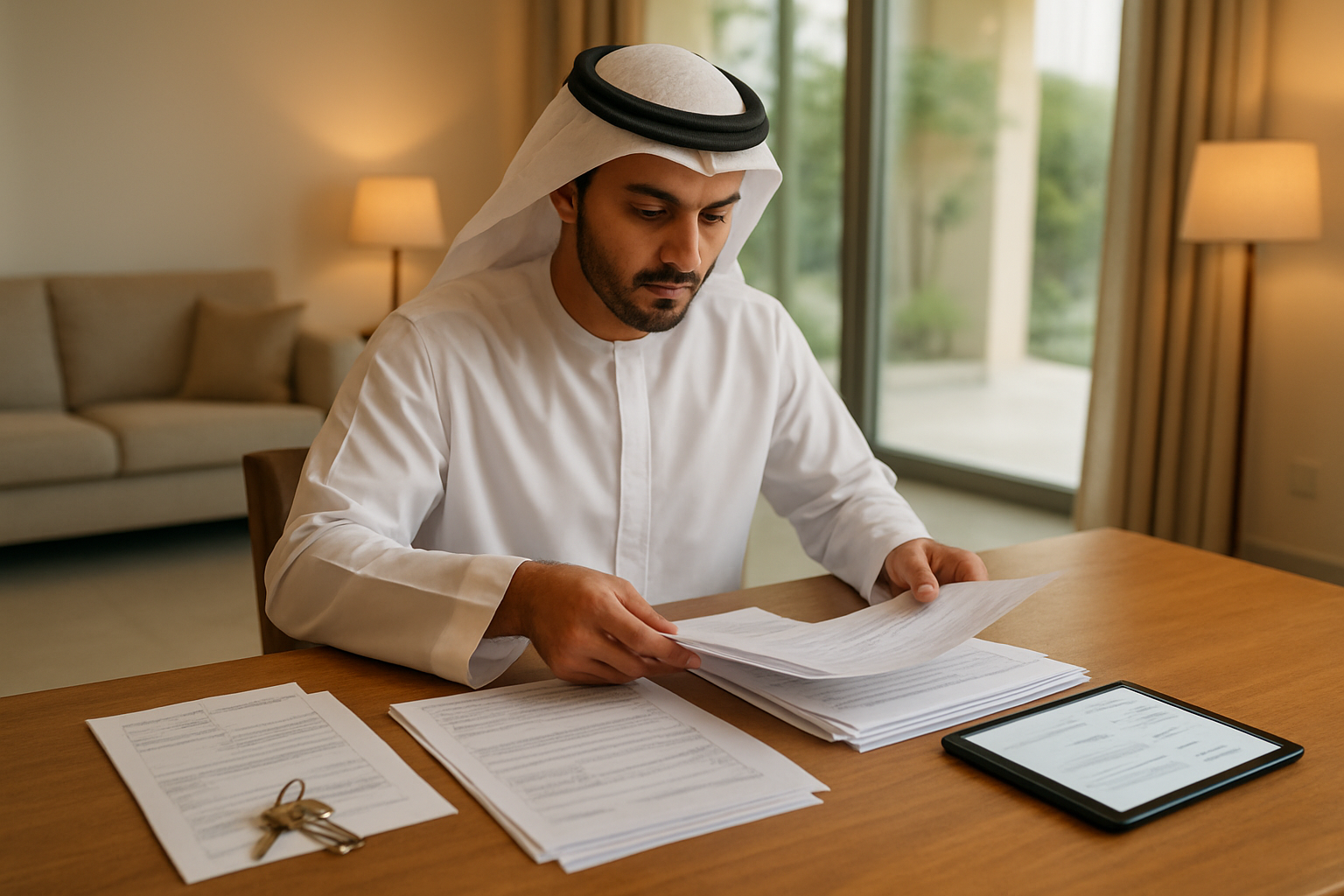
Accessing utilities and systems for testing
Getting your utilities and systems ready for inspection makes a huge difference in how smoothly the process goes. Your home inspector needs full access to electrical panels, plumbing fixtures, HVAC systems, and all major appliances to properly evaluate their condition and functionality. This preparation phase often determines whether your home inspection UAE appointment will be comprehensive or require a follow-up visit.
Start by ensuring all electrical systems are operational and accessible. Turn on the main electrical supply at least 24 hours before the inspection. Remove any stored items blocking access to electrical panels, circuit breakers, and junction boxes. The inspector needs to see all electrical components clearly and test various circuits throughout the property. Make sure all light fixtures have working bulbs, as the inspector will test switches and outlets in every room.
Water systems require special attention in the UAE’s climate. Turn on the main water supply and check that both hot and cold water flow properly from all taps, showers, and appliances. Test the water heater by running hot water for several minutes before the inspector arrives. This helps identify any issues with temperature consistency or pressure that might not be apparent during a cold start. Don’t forget about outdoor water connections, pool systems, and irrigation lines if your property has them.
HVAC systems need to be fully operational for testing. Set your air conditioning to different temperature settings and ensure all zones are functioning if you have a multi-zone system. Replace air filters if they’re dirty, as clogged filters can mask underlying system problems. Clear any debris from outdoor AC units and make sure there’s adequate clearance around the equipment. The inspector will test both cooling and heating functions, even during summer months.
Gas connections and appliances require careful preparation. If your property uses gas for cooking, heating, or water heating, ensure the main gas supply is turned on and all appliances are connected properly. Check that gas safety certificates are current and accessible. The inspector will test gas flow, connections, and safety features on all gas-powered equipment.
Water pumps and pressure systems common in UAE properties need special attention. If your building has booster pumps, pressure tanks, or private water systems, make sure they’re operational and accessible. Document any recent maintenance or repairs to these systems. Pool and spa equipment should also be operational, with pumps, filters, and heating systems ready for testing.
Clearing pathways and storage areas
Physical access throughout your property directly impacts the quality of your inspection. Inspectors need to reach every area safely and efficiently, which means clearing obstacles and creating safe pathways well before the appointment date.
Begin with interior spaces by removing furniture, storage boxes, and personal belongings that block access to important areas. Inspectors need clear access to electrical panels, water heaters, HVAC equipment, and built-in appliances. Move items away from walls where electrical outlets, switches, and plumbing fixtures are located. The goal is creating at least three feet of clearance around major systems and equipment.
Storage areas like closets, pantries, and utility rooms often contain the very systems inspectors need to examine. Empty these spaces or organize items to provide clear sight lines and access. Many properties in the UAE have compact utility areas, making it even more important to maximize available space for the inspector to work safely.
Basement areas, mechanical rooms, and service corridors need complete clearing. These spaces often house critical building systems but become dumping grounds for storage. Remove all stored items and ensure adequate lighting in these areas. If lighting is poor, arrange for temporary lighting solutions or flashlights to help the inspector see clearly.
Attic spaces and roof access points require special preparation. Clear any items stored in attic areas and ensure safe access through hatches or stairs. If your property has roof access for equipment inspection, make sure the pathway is clear and safe. Some UAE properties have rooftop equipment that inspectors need to access, so coordinate with building management if needed.
Outdoor areas need attention too. Clear pathways around the building perimeter, allowing inspectors to examine foundations, exterior walls, and utility connections. Remove stored items from balconies, patios, and service areas. Trim vegetation that might block access to exterior electrical panels, AC units, or utility meters.
Pool areas require special clearing in many UAE properties. Remove pool furniture, covers, and storage items that might prevent examination of equipment and safety features. Ensure pool decks are clear and safe for walking. If you have pool houses or equipment rooms, clear these areas completely.
Garage and parking areas often contain building systems that need inspection. Clear vehicles and stored items to provide access to electrical panels, water heaters, or HVAC equipment located in these spaces. Many UAE properties have shared garage areas with individual utility connections that need examination.
Gathering property documentation and warranties
Documentation preparation significantly enhances the inspection process and provides valuable context for the inspector’s findings. Having the right paperwork organized and accessible demonstrates property care and helps identify potential issues before they become problems.
Start with building and construction documents. Collect architectural plans, construction permits, and completion certificates. These documents help inspectors understand the property’s design intent and identify any modifications or additions that might not be immediately obvious. Original construction specifications are particularly valuable for identifying proper materials and installation methods.
Utility installation and service records provide crucial background information. Gather documentation for electrical installations, plumbing systems, HVAC equipment, and any specialized systems like pools or security equipment. Include service connection records, meter installation dates, and any utility company inspections or approvals.
Maintenance records tell the story of how well the property has been cared for. Compile service records for all major systems including HVAC maintenance, plumbing repairs, electrical work, and appliance servicing. Include pest control treatments, which are particularly relevant in the UAE climate. Regular maintenance records often indicate well-maintained systems and can explain minor issues that might otherwise raise concerns.
Warranty documentation protects your investment and provides important safety information. Gather warranties for all appliances, HVAC systems, water heaters, electrical panels, and building components like roofing or waterproofing. Include installation dates and service provider contact information. Many UAE properties come with comprehensive warranties that transfer to new owners.
Previous inspection reports and repair documentation help establish the property’s history. If you have reports from previous inspections, pest treatments, or specialized assessments like structural surveys, make these available. Include receipts and documentation for any repairs or improvements made based on previous recommendations.
Homeowners association (HOA) or building management documents are essential for properties in managed communities. Collect HOA bylaws, financial statements, meeting minutes, and any pending assessments or legal issues. Include building management agreements, shared facility maintenance schedules, and any ongoing construction or repair projects in the community.
Insurance claims and settlement documents reveal important property history. Gather documentation for any insurance claims filed for the property, including weather damage, water damage, or other incidents. Include settlement amounts and any required repairs or remediation work completed.
Property tax records and governmental filings provide official property information. Collect recent tax assessments, any property tax disputes or appeals, and municipal inspection records. Include building department permits for any additions, renovations, or major repairs completed over the property’s history.
Scheduling coordination with all parties
Successful inspection coordination requires managing multiple schedules and ensuring all necessary parties can participate effectively. The complexity of UAE property transactions often involves numerous stakeholders who each play important roles in the inspection process.
Begin coordination by identifying all required participants. This typically includes the home inspector, real estate agents representing both buyer and seller, property owners or tenants, and potentially building management or HOA representatives. In some cases, you might need specialized inspectors for pools, elevators, or commercial-grade systems common in UAE properties.
Schedule timing that works for everyone’s availability while respecting the inspection timeline requirements in your purchase agreement. Most comprehensive home inspection UAE processes require 3-4 hours for standard properties, with additional time needed for larger homes or properties with extensive amenities. Allow extra time for properties with pools, extensive landscaping, or complex mechanical systems.
Coordinate with current occupants if the property is tenant-occupied. Provide appropriate notice as required by local tenancy laws and UAE regulations. Arrange for tenants to be available to provide access and answer questions about the property’s systems and any issues they’ve experienced. Document any agreements about access timing or restrictions.
Building management coordination is essential for properties in managed communities. Contact building management to arrange access to shared areas, utility rooms, or rooftop equipment that requires inspection. Some UAE buildings have specific protocols for vendor access that must be followed. Schedule any required escorts or obtain necessary access cards or keys.
Utility company coordination might be necessary for certain inspections. If gas, electrical, or water systems require testing that involves main shutoffs or service connections, coordinate with relevant utility providers. Some inspections require utility company presence for safety reasons or to restore service after testing.
Real estate professional scheduling requires balancing multiple agent schedules with inspector availability. Coordinate with both buyer’s and seller’s agents to ensure appropriate representation during the inspection. Discuss whether both agents need to be present throughout the entire process or just for key portions.
Specialist inspector scheduling becomes important for properties requiring additional expertise. Pool inspections, elevator certifications, or structural assessments might require separate appointments with qualified specialists. Coordinate these specialized inspections to align with the general home inspection timeline.
Weather contingency planning should be built into your scheduling approach. UAE weather patterns can affect inspection timing, particularly for outdoor components and rooftop equipment. Build flexibility into your schedule to accommodate weather delays while still meeting contractual deadlines.
Understanding weather impact on inspection timing
UAE weather conditions significantly influence inspection scheduling and effectiveness. The extreme climate presents unique challenges that require careful planning to ensure comprehensive property evaluation while maintaining inspector safety and accuracy.
Summer heat impacts create the most challenging inspection conditions. Temperatures regularly exceeding 45°C (113°F) make rooftop and outdoor equipment inspection dangerous during peak daylight hours. Schedule inspections during early morning hours, typically starting between 6:00 and 8:00 AM, to complete outdoor components before temperatures become dangerous. Some inspections might require splitting into multiple sessions to ensure thoroughness without compromising safety.
Air conditioning system evaluation becomes more critical during extreme heat periods. High outdoor temperatures provide ideal conditions for testing AC system capacity and efficiency under real-world stress conditions. However, these same conditions make working in unconditioned spaces dangerous for inspectors. Ensure all indoor areas have adequate cooling before the inspection begins.
Humidity levels affect both inspector comfort and equipment functionality. High humidity periods can cause condensation issues that might mask or exaggerate certain problems. Moisture meters and electrical testing equipment can give false readings in extremely humid conditions. Understanding these limitations helps set appropriate expectations for inspection accuracy during certain weather periods.
Sandstorm and dust storm considerations require schedule flexibility. These weather events can make outdoor inspection impossible and affect indoor air quality assessment. Dust accumulation can obscure evidence of leaks, cracks, or other issues that might be more visible under normal conditions. Plan buffer time in your inspection schedule to accommodate weather-related delays.
Seasonal timing affects different property components in various ways. Winter months provide the best overall conditions for comprehensive inspections, with moderate temperatures allowing full evaluation of all systems. However, this timing might not reveal how well air conditioning systems perform under peak load conditions. Spring inspections can encounter dust storms but offer moderate temperatures for thorough evaluation.
Rain event timing, while rare, creates special opportunities and challenges. UAE properties often have untested drainage systems due to infrequent rainfall. If possible, schedule inspections during or shortly after rare rain events to evaluate roof drainage, foundation water management, and waterproofing effectiveness. However, wet conditions can make some inspection areas unsafe or inaccessible.
Indoor air quality assessment varies with weather conditions. Extreme outdoor temperatures mean properties stay sealed with HVAC systems running continuously, which can concentrate indoor air quality issues. However, these conditions also provide realistic assessment of how the property’s ventilation systems perform under normal UAE living conditions.
Pool and outdoor system evaluation works best during moderate temperature periods. Pool equipment, outdoor kitchens, and landscaping irrigation systems are easier to evaluate thoroughly when inspectors can work comfortably outdoors. However, these systems also need evaluation under peak usage conditions, which typically occur during the hottest months.
Equipment performance testing varies with ambient conditions. Electrical systems, motors, and mechanical equipment may perform differently under extreme heat stress compared to moderate conditions. Understanding these variations helps interpret inspection results accurately and set realistic expectations for system performance throughout the year.
Weather-related postponement protocols should be established before inspection day. Define temperature thresholds, wind speed limits, and other weather conditions that would require rescheduling. Having clear guidelines protects inspector safety while ensuring you still receive a thorough evaluation of your potential property investment.
Comprehensive Interior Inspection Process
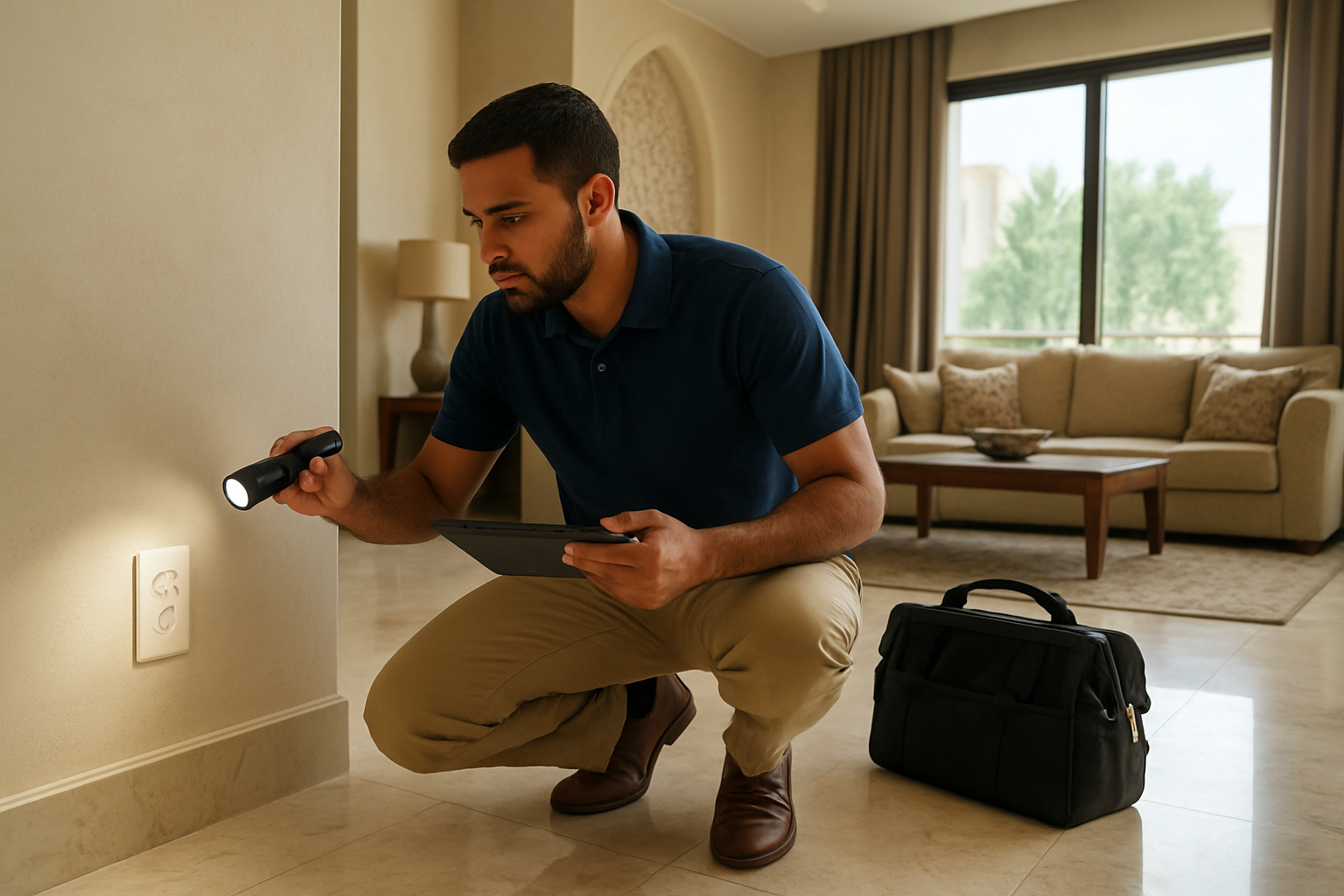
Structural Integrity Assessment of Walls and Foundations
During a home inspection UAE, the structural evaluation forms the backbone of the entire assessment process. Professional inspectors begin by examining load-bearing walls, checking for any signs of settlement, cracking, or structural movement that could compromise the building’s stability. In the UAE’s unique environment, where temperature fluctuations and sand exposure are common, walls often show specific patterns of wear that trained eyes can interpret.
Inspectors use specialized tools including moisture meters, thermal imaging cameras, and laser levels to detect hidden issues behind finished surfaces. They pay particular attention to expansion joints, especially in concrete block construction which is prevalent throughout the Emirates. These joints allow buildings to expand and contract with temperature changes, and when they fail, significant structural problems can develop.
Foundation inspection takes on special importance in the UAE due to the sandy soil conditions and occasional seismic activity. Inspectors examine the foundation perimeter for signs of settling, which might appear as stepped cracks in masonry or horizontal cracks in concrete foundations. They also check for proper drainage around the foundation, as poor water management can lead to undermining even in this arid climate.
Interior wall assessment includes checking for plumb and square alignment using professional-grade levels and measuring devices. Inspectors document any bowing, leaning, or out-of-square conditions that might indicate structural stress. They examine wall-to-ceiling connections, looking for gaps or cracks that could signal foundation movement or structural settling.
Window and door frames receive careful scrutiny during structural assessment. Frames that are out of square, doors that don’t close properly, or windows with gaps around their perimeters often indicate structural movement. Inspectors test the operation of all windows and doors, noting any binding, sticking, or alignment issues that could point to foundation problems.
The inspection includes evaluation of floor systems, checking for springiness, squeaking, or sagging that might indicate joist problems or inadequate support. In multi-story buildings common in UAE urban areas, inspectors pay special attention to floor-to-wall connections and any signs of differential settlement between different parts of the structure.
Electrical Systems and Safety Compliance checks
Electrical system evaluation during a home inspection UAE focuses heavily on safety compliance with local UAE electrical codes and international standards. Inspectors begin at the main electrical panel, examining the service entrance, main disconnect, and distribution panel for proper installation and adequate capacity. They verify that circuit breakers are properly rated for their respective circuits and check for any signs of overheating, corrosion, or improper modifications.
Ground Fault Circuit Interrupter (GFCI) protection receives special attention, particularly in bathrooms, kitchens, and outdoor areas where moisture exposure creates elevated risks. UAE building codes require GFCI protection in specific locations, and inspectors test each GFCI outlet using specialized testing equipment to ensure proper operation. They also verify that bathroom electrical installations maintain required clearances from water sources.
Circuit loading analysis involves checking that circuits aren’t overloaded and that wire gauges match breaker ratings. Inspectors examine junction boxes throughout the home, ensuring proper wire connections and adequate box fill. They look for aluminum wiring, which requires special handling and connections, and verify that any aluminum-to-copper transitions use proper connectors.
Outlet testing throughout the home includes checking for proper grounding, correct polarity, and adequate spacing according to UAE electrical codes. Inspectors use outlet testers to quickly identify wiring problems including open grounds, reversed polarity, and other dangerous conditions. They pay particular attention to kitchen and bathroom outlets, ensuring they meet current safety standards.
Lighting fixture inspection covers both interior and exterior installations. Inspectors check that fixtures are properly supported, especially heavier chandeliers or ceiling fans that require adequate structural support. They examine outdoor lighting for proper weatherproofing and GFCI protection, which is particularly important in the UAE’s occasional harsh weather conditions.
Electrical service capacity assessment determines whether the existing electrical system can handle current and anticipated future loads. Many older homes in the UAE were built when electrical demands were lower, and inspectors evaluate whether service upgrades might be necessary to safely support modern electrical usage patterns.
Emergency and safety systems including smoke detectors, carbon monoxide detectors, and security system wiring receive thorough evaluation. Inspectors test smoke detector operation and verify proper placement according to UAE fire safety codes. They check battery backup systems and interconnected detector networks where installed.
Plumbing Functionality and Water Pressure Testing
Plumbing system evaluation begins with water supply testing, measuring static water pressure and flow rates at multiple fixtures throughout the home. In the UAE, where water pressure can vary significantly between different areas and times of day, this testing provides crucial information about system adequacy. Inspectors use pressure gauges and flow meters to document actual performance versus expected standards.
Hot water system assessment covers both traditional tank-type water heaters and tankless systems popular in UAE homes. Inspectors examine the condition of water heater tanks, checking for signs of corrosion, leakage, or sediment buildup that could indicate impending failure. They test temperature and pressure relief valves, verify proper installation clearances, and check venting systems for gas-fired units.
Fixture operation testing includes every sink, toilet, shower, and bathtub in the home. Inspectors check for proper water flow, drainage performance, and any signs of leaks or water damage. They pay special attention to shower and bathtub installations, examining caulking and waterproofing that prevents water intrusion into wall systems.
Water quality assessment in the UAE context includes checking for signs of high mineral content or corrosion that might indicate water treatment needs. Inspectors examine faucet aerators and showerheads for mineral buildup and check for any discoloration or staining that might suggest water quality issues. They also look for water softening or filtration equipment and assess its condition and maintenance needs.
Drainage system evaluation covers both waste water and storm water systems. Inspectors test drain flow rates and check for any backing up or slow drainage that might indicate blockages or inadequate pipe sizing. They examine accessible drain lines for proper slope and support, looking for any sagging or improper installations that could lead to future problems.
Toilet installation receives particular attention, with inspectors checking for proper anchoring, seal integrity, and any signs of movement or leakage. They examine the toilet flange and surrounding flooring for water damage that might indicate chronic leaking. Each toilet is tested for proper flush operation and tank refill performance.
Water meter and main shut-off valve inspection ensures homeowners can control water supply in emergencies. Inspectors locate and test the main water shut-off, documenting its condition and accessibility. They also examine the water meter area for any signs of leakage or tampering.
Irrigation system evaluation, common in UAE homes with landscaping, includes checking controller operation, zone valve function, and sprinkler head performance. Inspectors look for proper coverage patterns and check for any water waste or system malfunctions that could lead to high utility bills.
HVAC System Performance and Air Quality Evaluation
HVAC system assessment in the UAE requires special expertise due to the extreme climate demands placed on cooling systems. Inspectors begin by examining the outdoor condensing unit, checking refrigerant lines, electrical connections, and overall system condition. They look for proper clearances around the unit and signs of refrigerant leakage that could indicate costly repair needs.
Air handler evaluation includes examining the indoor unit, checking air filter condition and accessibility, and testing blower motor operation. Inspectors verify that drain pans and condensate removal systems function properly, which is particularly important in the UAE’s high-humidity conditions where condensate management becomes critical for preventing water damage.
Ductwork inspection covers both supply and return air systems, checking for proper installation, adequate support, and air leakage that reduces system efficiency. Inspectors use specialized equipment to measure air flow at various registers and identify any restrictions or imbalances in the distribution system. They examine duct insulation condition, particularly important in the UAE where temperature differentials between conditioned and unconditioned spaces are extreme.
Thermostat and control system testing ensures proper operation and programming capability. Inspectors check both heating and cooling modes where applicable, verifying that temperature settings produce appropriate system responses. They examine programmable features and any zoning controls that might be installed.
Air quality assessment includes examining ventilation systems, checking exhaust fan operation in bathrooms and kitchens, and looking for any signs of moisture problems that could lead to air quality issues. Inspectors pay attention to return air pathways and any potential contamination sources that might affect indoor air quality.
System capacity evaluation involves comparing the installed HVAC equipment size to the home’s actual cooling and heating loads. In the UAE’s climate, undersized cooling systems struggle to maintain comfortable temperatures and operate inefficiently. Inspectors assess whether the existing system appears adequate for the space it serves.
Energy efficiency assessment covers system age, efficiency ratings, and any energy-saving features like variable-speed blowers or high-efficiency components. With UAE’s high cooling costs, system efficiency directly impacts operating expenses, making this evaluation particularly valuable for homebuyers.
Ventilation system inspection ensures adequate fresh air exchange, particularly important in tightly sealed modern construction. Inspectors check for proper bathroom and kitchen exhaust systems and any whole-house ventilation equipment that might be installed.
Exterior and Building Envelope Evaluation
Roof Condition and Waterproofing Assessment
The UAE’s intense heat and occasional heavy rainfall create unique challenges for roofing systems that require specialized inspection attention. Professional home inspectors examine multiple roofing components, starting with the structural integrity of the roof deck and support beams. They check for signs of sagging, cracking, or movement that could compromise the entire roofing system’s stability.
Waterproofing takes center stage during roof inspections, particularly because the UAE’s flat roof designs are prone to water pooling during rare but intense rainfall events. Inspectors look for membrane integrity across the entire roof surface, paying special attention to seams, joints, and penetrations where water typically finds entry points. They examine the condition of waterproof membranes, whether they’re traditional bitumen-based systems, modern EPDM rubber, or newer thermoplastic materials.
Heat damage represents a significant concern in the UAE’s extreme climate. Inspectors assess thermal expansion effects on roofing materials, looking for cracking, bubbling, or separation that occurs when materials repeatedly expand and contract under intense sun exposure. They examine protective coatings and reflective surfaces that help buildings maintain energy efficiency and prevent excessive heat absorption.
Drainage systems receive thorough evaluation since proper water removal prevents structural damage and interior flooding. Inspectors check gutters, downspouts, and roof drains for blockages, proper slope, and adequate capacity to handle sudden downpours. They verify that drainage systems direct water away from the building foundation and don’t create pooling areas that could lead to water damage or mosquito breeding.
Rooftop equipment inspection covers air conditioning units, solar panels, satellite dishes, and communication equipment common in UAE homes. Inspectors verify that all equipment is properly secured, doesn’t create roof penetrations that compromise waterproofing, and maintains adequate clearance for maintenance access. They check that equipment installations include proper flashing and sealing around mounting points.
Thermal imaging often supplements visual roof inspections, helping identify hidden moisture intrusion, insulation gaps, or thermal bridging that wouldn’t be visible through conventional inspection methods. This technology proves particularly valuable in the UAE’s climate where temperature differentials between indoor and outdoor environments are extreme.
External Walls and Insulation Effectiveness
External wall systems in the UAE face constant thermal stress from intense solar radiation and high ambient temperatures. Inspectors evaluate wall construction materials, looking for thermal expansion cracks, UV degradation, and structural settlement that could compromise building integrity. They examine different wall types common in UAE construction, including concrete block, reinforced concrete, and modern insulated panel systems.
Insulation performance becomes critical in the UAE’s energy-intensive cooling environment. Inspectors assess insulation placement, thickness, and continuity to identify thermal bridges that allow heat transfer into living spaces. They check for gaps, compression, or deterioration in insulation materials that reduce energy efficiency and increase cooling costs. Modern homes often feature external insulation systems that require specific inspection protocols to verify proper installation and performance.
Exterior cladding materials face significant weathering in the UAE’s harsh environment. Inspectors examine stone, stucco, brick, or metal cladding for UV fading, thermal cracking, or moisture intrusion. They verify that cladding systems include proper vapor barriers and ventilation gaps that prevent moisture buildup behind exterior surfaces. Expansion joints receive special attention since thermal movement in the UAE’s climate can cause significant stress on building materials.
Building envelope air sealing affects both energy efficiency and indoor air quality in UAE homes. Inspectors use specialized equipment to identify air leakage points around windows, doors, electrical penetrations, and construction joints. They verify that air barriers are continuous and properly sealed to prevent hot, humid outdoor air from infiltrating living spaces and compromising air conditioning efficiency.
Thermal bridging inspection identifies areas where building materials create pathways for heat transfer through the building envelope. Common thermal bridges include concrete columns, steel structural elements, and improperly installed windows that allow heat to bypass insulation systems. Inspectors use thermal imaging to identify these problem areas that can significantly impact cooling costs and comfort levels.
Foundation wall inspection covers below-grade waterproofing and insulation systems that protect living spaces from ground moisture and temperature extremes. Inspectors examine foundation coatings, drainage systems, and insulation placement to verify that basement and ground-level spaces remain dry and comfortable.
Windows, doors, and Seal Integrity
Window and door systems in UAE homes must withstand extreme temperature variations, intense UV exposure, and occasional severe weather events while maintaining energy efficiency and security. Inspectors evaluate frame materials, glazing systems, and hardware components that face constant thermal stress in the desert climate.
Frame condition assessment covers aluminum, uPVC, and wood frames commonly used in UAE construction. Inspectors look for thermal expansion damage, UV degradation, and corrosion that can compromise structural integrity and weather sealing. They examine frame corners and joints where thermal movement often causes separation or cracking. Aluminum frames require particular attention since they conduct heat readily and can create thermal bridges if not properly designed with thermal breaks.
Glazing systems receive thorough evaluation for energy efficiency and durability. Inspectors assess double and triple-glazed units for seal failure, gas leakage, and internal condensation that reduces insulating properties. They examine low-emissivity coatings and solar control films that help reduce heat gain in the UAE’s intense solar environment. Glass condition is checked for thermal stress cracks, impact damage, and UV-induced degradation of coatings or films.
Weather sealing inspection focuses on preventing air and water infiltration around window and door perimeters. Inspectors examine sealant condition, looking for cracking, shrinkage, or loss of adhesion that allows outside air to enter living spaces. They test movable sashes and door panels for proper fit and compression against weather seals. Gaskets and weatherstripping are evaluated for UV damage, hardening, or compression set that reduces sealing effectiveness.
Hardware functionality testing ensures that windows and doors operate smoothly and lock securely. Inspectors check opening and closing mechanisms, lock engagement, and hardware corrosion that’s common in the UAE’s coastal environment. They verify that security features meet local requirements and that emergency egress windows operate properly for safety compliance.
Condensation assessment identifies potential moisture problems that can occur when air conditioning creates significant temperature differences between indoor and outdoor environments. Inspectors look for signs of chronic condensation that could lead to mold growth, wood rot, or other moisture-related damage. They examine window and door installation details to verify proper vapor barrier placement and thermal isolation.
Energy efficiency evaluation measures how well windows and doors contribute to overall building performance in the UAE’s cooling-dominated climate. Inspectors assess solar heat gain coefficients, U-values, and air leakage rates that affect air conditioning loads and energy costs. They verify that glass specifications match climate zone requirements and building energy codes.
Drainage Systems and Flood Prevention Measures
Despite the UAE’s arid climate, effective drainage systems are essential for managing occasional heavy rainfall events and protecting buildings from water damage. Inspectors evaluate comprehensive drainage strategies that address both surface water management and below-grade moisture protection.
Surface drainage assessment begins with site grading evaluation to ensure that water flows away from building foundations during rainfall events. Inspectors check that ground slopes provide positive drainage in all directions away from structures, preventing water from pooling against foundation walls. They examine hardscaping elements like driveways, walkways, and patios for proper slope and integration with overall site drainage patterns.
Roof drainage systems receive detailed inspection since flat and low-slope roofs common in UAE architecture are prone to water accumulation. Inspectors evaluate primary and secondary drainage systems, checking that roof drains have adequate capacity for design rainfall intensities. They examine overflow provisions that prevent roof collapse during extreme weather events and verify that drainage systems discharge to appropriate collection points.
Foundation drainage systems protect below-grade spaces from groundwater and surface water intrusion. Inspectors examine perimeter drain systems, sump pumps, and waterproof membrane installations that keep basements and lower levels dry. They check that foundation drains connect properly to storm water systems and don’t create standing water conditions that could damage foundations or create pest breeding areas.
Stormwater management features are increasingly important in UAE developments where rapid urbanization can overwhelm natural drainage patterns. Inspectors evaluate retention basins, permeable paving systems, and other sustainable drainage features that help manage runoff during intense rainfall events. They verify that these systems are properly maintained and functioning as designed.
Flood prevention measures take on special importance in low-lying coastal areas and wadi systems where flash flooding can occur during rare but severe weather events. Inspectors examine flood barriers, elevated utilities, and emergency drainage provisions that protect homes from water damage. They assess whether homes meet local flood zone requirements and building elevation standards.
Gutter and downspout systems require careful evaluation since they’re often undersized for the UAE’s intense but infrequent rainfall patterns. Inspectors check gutter capacity, proper slope, and secure attachment to prevent overflow or structural damage during storms. They examine downspout discharge locations to ensure that roof drainage doesn’t create erosion or foundation problems.
Basement and below-grade waterproofing systems face unique challenges in the UAE’s high water table areas and expansive soil conditions. Inspectors evaluate waterproof membrane integrity, drainage board installations, and vapor barrier systems that prevent moisture intrusion into living spaces. They check sump pump systems and backup power provisions that ensure continuous drainage protection during power outages that sometimes accompany severe weather events.
Specialized UAE Climate Considerations
Desert climate impact on building materials
The UAE’s harsh desert environment puts tremendous stress on construction materials in ways that most other climates simply don’t. During a home inspection UAE, professionals need to examine how extreme temperatures, intense UV radiation, and constant thermal cycling affect the building’s structural integrity and materials.
Temperature fluctuations in the UAE can swing dramatically, with surface temperatures reaching 70°C (158°F) during summer days and dropping significantly at night. This constant expansion and contraction creates unique challenges that inspectors must carefully evaluate. Concrete structures experience thermal stress that can lead to hairline cracks appearing over time. These cracks might seem minor but can allow moisture infiltration and create pathways for sand particles to penetrate building envelopes.
Metal components face particularly severe challenges in the desert climate. Steel reinforcement within concrete structures can expand and contract at different rates than the surrounding material, potentially causing structural weaknesses. External metal fixtures, railings, and structural elements undergo oxidation processes accelerated by the combination of high temperatures and occasional humidity spikes. Inspectors look for signs of thermal stress in metal joints, checking for loose connections or warping that could compromise structural integrity.
Roofing materials deserve special attention during UAE inspections. Asphalt shingles, membrane roofing, and tile systems all respond differently to extreme heat exposure. Membrane roofing can develop bubble formations where trapped air expands under intense heat, while tile systems may crack due to thermal shock when sudden temperature changes occur during rare rainfall events. Inspectors examine roof surfaces for UV degradation, which manifests as brittleness, color fading, or surface deterioration.
Window and door seals face constant assault from UV radiation and temperature extremes. Rubber gaskets and weatherstripping materials can become brittle and lose their flexibility, creating gaps that allow sand infiltration and reduce energy efficiency. During inspections, professionals test these seals by examining their condition and checking for proper adhesion to frames.
Paint and exterior coatings undergo rapid degradation in the UAE’s intense sunlight. UV radiation breaks down paint binders, causing chalking, fading, and eventual flaking. Inspectors look for areas where protective coatings have failed, as these spots become vulnerable to further deterioration and can affect both aesthetics and structural protection.
Foundation materials also require specialized attention in desert environments. The combination of extreme heat and occasional moisture can cause soil movement that affects foundation stability. Clay soils common in parts of the UAE expand and contract with moisture changes, potentially creating settlement issues. Inspectors examine foundations for signs of movement, including cracks in walls, doors that don’t close properly, or gaps around window frames.
Humidity and condensation problem identification
Despite its desert location, the UAE experiences significant humidity challenges, particularly in coastal areas where levels can exceed 90% during certain seasons. This creates a complex moisture management scenario that requires specialized inspection techniques and awareness of potential problem areas.
Condensation issues in UAE homes often occur in unexpected locations due to the extreme temperature differentials between air-conditioned interiors and scorching outdoor conditions. When humid outdoor air encounters cold surfaces like windows, walls, or ductwork, condensation forms rapidly. Inspectors carefully examine areas where temperature transitions occur, looking for signs of moisture accumulation that could lead to mold growth or material damage.
Bathroom and kitchen areas require particularly thorough examination for humidity-related problems. Poor ventilation in these high-moisture zones can create conditions where condensation persists, leading to paint peeling, wallpaper detachment, or even structural damage to underlying materials. Inspectors check exhaust fan functionality, ductwork connections, and ensure adequate air circulation to prevent moisture buildup.
Window condensation presents unique challenges in the UAE’s climate. Single-pane windows or poorly sealed double-pane units can develop condensation on interior surfaces when cooling systems create significant temperature differentials. This moisture can damage window frames, especially wooden ones, and create conditions favorable for mold growth. Inspectors examine window assemblies for proper sealing and check for signs of previous moisture damage around frames.
Air conditioning systems in UAE homes work continuously during hot months, creating numerous opportunities for condensation-related problems. Ductwork running through unconditioned spaces can develop external condensation when cold air passes through ducts in hot environments. Inspectors examine ductwork insulation integrity and look for signs of moisture damage around registers and connections.
HVAC condensate drainage systems require special attention during UAE inspections. The high cooling loads mean systems produce substantial amounts of condensate water that must be properly managed. Blocked condensate drains can cause water backup, leading to ceiling damage, carpet saturation, or even electrical hazards. Inspectors test condensate drainage functionality and examine areas around indoor air handling units for signs of overflow or leakage.
Hidden humidity problems often develop in wall cavities where insulation may be inadequate or air sealing is compromised. When humid outdoor air infiltrates wall assemblies and encounters cooled interior surfaces, condensation can occur within the wall structure itself. This hidden moisture can damage insulation effectiveness, promote mold growth, and compromise structural materials without visible external signs.
Storage areas and closets in UAE homes can develop humidity problems when air circulation is limited and temperature control is inconsistent. These spaces may not receive adequate air conditioning coverage, creating microclimates where humidity can accumulate. Inspectors examine these areas for musty odors, material degradation, or other signs of moisture-related problems.
Basement and below-grade areas, while less common in UAE construction, require careful attention when present. Ground moisture and limited air circulation can create persistent humidity problems. Even in arid climates, below-grade spaces can retain moisture from construction, irrigation systems, or rare but intense rainfall events.
Sand infiltration and ventilation system checks
Sand infiltration represents one of the most pervasive challenges in UAE home maintenance and requires specialized inspection approaches to identify problem areas and assess system effectiveness. Desert winds carry fine sand particles that can penetrate even small gaps in building envelopes, affecting indoor air quality, damaging mechanical systems, and creating ongoing maintenance issues.
Ventilation system integrity becomes critical in sandy environments. Inspectors examine all air intake locations for proper filtration and sealing. External air conditioning units face constant exposure to airborne sand, which can accumulate on condenser coils, reducing efficiency and potentially causing system failure. Regular inspection of these units reveals sand buildup patterns and helps identify areas where improved sealing or filtration might be necessary.
Ductwork systems require thorough examination for sand infiltration points. Even small gaps in duct connections can allow sand particles to enter the system, where they circulate throughout the home and accumulate in registers and filters. Inspectors check duct joints, connections, and sealing integrity throughout accessible portions of the system. They also examine registers and grilles for sand accumulation patterns that might indicate infiltration points upstream in the ductwork.
Air filtration systems in UAE homes must work harder than in most other climates. Filters can become clogged quickly with fine sand particles, reducing airflow and forcing systems to work harder. Inspectors examine filter conditions, replacement schedules, and assess whether current filtration levels are adequate for local conditions. They also check for bypass around filters that might allow unfiltered air to enter the system.
Building envelope sealing takes on special importance in sandy environments. Inspectors carefully examine all penetrations through exterior walls, including utility connections, vent terminations, and structural elements. Window and door installations require particular attention, as even small gaps can allow significant sand infiltration over time. Weatherstripping condition and door/window fit become critical factors in maintaining indoor air quality.
Ventilation system design must balance fresh air introduction with sand exclusion. Inspectors evaluate whether ventilation systems include adequate pre-filtration for outdoor air and assess the condition of outdoor air intakes. Systems that rely heavily on natural ventilation may require additional assessment of sand infiltration patterns and their impact on indoor environments.
Exhaust ventilation systems face unique challenges in sandy conditions. Bathroom and kitchen exhaust fans can accumulate sand in their housing and ductwork, reducing effectiveness and potentially causing motor problems. Inspectors examine these systems for sand buildup and assess whether exterior terminations are properly designed to minimize sand entry during wind events.
Positive and negative pressure relationships within homes affect sand infiltration patterns. Homes with unbalanced ventilation systems may create negative pressure that draws outdoor air (and sand) through unintended pathways. Inspectors assess pressure relationships and examine areas where infiltration might be occurring due to system imbalances.
Mechanical equipment rooms and utility areas often show clear evidence of sand infiltration problems. These spaces may have multiple envelope penetrations and ventilation requirements that create opportunities for sand entry. Inspectors examine these areas for accumulation patterns and assess whether additional sealing or filtration measures might be beneficial.
Specialized filtration systems, including whole-house air cleaners or electronic air filtration units, require evaluation for effectiveness in sandy conditions. These systems may need more frequent maintenance or upgraded components to handle the particulate load common in UAE environments. Inspectors assess system condition and performance relative to local environmental challenges.
Regular maintenance schedules for sand-prone systems become critical factors in long-term performance. Inspectors may recommend specific maintenance intervals based on observed sand infiltration patterns and system conditions. They also assess whether current maintenance practices are adequate for local environmental conditions.
Inspection Report Analysis and Next Steps

Understanding Report Findings and Priority Levels
When you receive your home inspection UAE report, the sheer volume of information can feel overwhelming. Most professional inspectors categorize their findings into distinct priority levels that help you understand what needs immediate attention versus what can wait.
Critical issues typically involve safety hazards or structural problems that could pose immediate danger to occupants or lead to significant property damage. These might include electrical hazards, gas leaks, structural defects, or major plumbing failures. In the UAE’s climate, critical issues often include faulty air conditioning systems during peak summer months, as this can make a property uninhabitable.
Major issues represent significant defects that affect the property’s functionality or could lead to costly repairs if left unaddressed. Examples include roof leaks, HVAC system malfunctions, plumbing problems, or electrical panel issues. Given the UAE’s harsh weather conditions, problems with building envelope integrity fall into this category, as they can lead to energy inefficiency and moisture intrusion.
Minor issues encompass cosmetic defects or maintenance items that don’t affect safety or functionality but may impact the property’s value or your comfort. These might include worn flooring, minor paint issues, loose fixtures, or small plumbing leaks. While not urgent, addressing these items prevents them from becoming major problems later.
Professional inspectors often use a color-coding system or numerical ratings to help you quickly identify priority levels. Red flags indicate critical issues requiring immediate attention, while yellow or amber warnings signal major concerns that need addressing within a reasonable timeframe. Green or informational items represent minor issues or maintenance recommendations.
The UAE’s unique environmental conditions mean certain findings carry more weight than in other climates. For instance, any compromise to the building’s thermal envelope becomes a major concern due to the extreme heat and high cooling costs. Similarly, drainage issues that might be minor elsewhere can become critical in the UAE, where sudden heavy rainfall can cause significant flooding.
Understanding the inspector’s methodology helps you interpret findings correctly. Most UAE-based inspectors follow international standards adapted for local conditions, considering factors like sand infiltration, humidity levels, and temperature extremes. They evaluate not just current conditions but also potential future problems based on the property’s age, construction methods, and maintenance history.
Pay special attention to patterns in the report. Multiple minor electrical issues might indicate a systemic problem with the electrical system. Several small plumbing leaks could suggest overall pipe deterioration. These patterns often elevate individual minor issues to major concern status.
Negotiating Repairs with Sellers or Developers
Armed with your inspection report, you now enter the negotiation phase, which can significantly impact your final purchase price and move-in timeline. The approach differs depending on whether you’re buying from a private seller or a developer, and the UAE’s real estate market has specific practices you should understand.
When dealing with private sellers, your negotiating position depends largely on market conditions and the severity of identified issues. In a buyer’s market, sellers are typically more willing to address repair requests or offer price reductions. Critical safety issues provide the strongest negotiating leverage, as these problems could deter other potential buyers or prevent mortgage approval.
Start by categorizing repair requests into must-fix items versus nice-to-have improvements. Focus your initial negotiations on critical and major issues that affect safety, functionality, or habitability. Present your requests professionally, backed by the inspector’s specific findings and estimated repair costs. Many sellers prefer offering a credit at closing rather than completing repairs themselves, as this approach saves time and eliminates concerns about repair quality.
For properties requiring extensive work, consider requesting multiple contractor estimates to establish realistic repair costs. This documentation strengthens your position and demonstrates that your requests are reasonable and well-researched. Remember that in the UAE’s hot climate, certain repairs may require specific timing or materials, which can affect costs and scheduling.
When purchasing from developers, especially in new construction projects, the negotiation process follows different protocols. Most developers offer comprehensive warranties covering structural elements, electrical, plumbing, and HVAC systems. However, these warranties have specific terms and timeframes, making it essential to document all issues during the inspection process.
New construction defects are surprisingly common and can range from minor finishing issues to significant mechanical problems. Developers typically maintain preferred contractor lists and established procedures for addressing punch list items. Your inspector’s report becomes the basis for this punch list, ensuring nothing gets overlooked during the final walkthrough.
Some developers offer upgrade incentives or closing cost assistance in lieu of completing minor repairs. Evaluate these offers carefully, considering whether you prefer handling repairs yourself with contractors of your choice or accepting developer remediation. Keep in mind that certain repairs may void warranties if not completed by authorized contractors.
The timing of your negotiations matters significantly in the UAE market. During peak selling seasons or in popular developments, sellers and developers may have less flexibility. Conversely, during slower periods or for properties that have been on the market for extended periods, you may have more negotiating power.
Document all agreements in writing, specifying completion timelines, quality standards, and responsible parties. For repairs you agree to handle post-closing, ensure adequate funds are held in escrow to cover the work. This protection prevents situations where promised repairs remain incomplete after the transaction closes.
Consider the broader market context when formulating your negotiation strategy. In rapidly appreciating markets, minor issues may not justify walking away from an otherwise suitable property. However, major structural or mechanical problems warrant serious consideration regardless of market conditions.
Planning Follow-up Inspections if Needed
Not all property issues can be fully evaluated during a single inspection visit. Certain conditions require additional investigation, seasonal considerations, or specialized expertise that necessitates follow-up inspections. Understanding when and how to arrange these additional evaluations protects your investment and ensures you make fully informed decisions.
Weather-dependent issues often require multiple inspection visits in the UAE. Air conditioning performance, for example, cannot be accurately assessed during cooler months when systems aren’t under full load. Similarly, drainage and waterproofing problems may only become apparent during rainy seasons. If you’re purchasing during off-peak seasons, consider scheduling follow-up inspections when these systems face their greatest challenges.
Intermittent problems present another common reason for follow-up inspections. Electrical issues that occur sporadically, plumbing problems that manifest only under certain conditions, or mechanical systems that show signs of irregular operation may require extended observation periods. Your inspector might recommend monitoring systems over several days or weeks to identify patterns that could indicate underlying problems.
When initial inspections reveal potential structural issues, follow-up evaluations with structural engineers become necessary. Surface cracks, foundation settling, or roof problems often require specialized equipment and expertise beyond standard home inspection parameters. These technical evaluations provide detailed engineering assessments and recommended remediation strategies.
Properties with extensive renovation history may warrant additional scrutiny to verify permit compliance and workmanship quality. If the initial inspection raises questions about unpermitted work or substandard construction practices, hiring specialists to evaluate specific systems ensures you understand the full scope of potential issues and their implications.
Some follow-up inspections focus on systems that were inaccessible during the initial visit. Locked areas, tenant-occupied spaces, or equipment that was offline during the original inspection may require separate evaluation once access becomes available. Plan these inspections well in advance of your closing date to allow time for addressing any newly discovered issues.
Pre-closing walk-through inspections serve as final quality checks, particularly important when sellers have completed agreed-upon repairs. These visits verify that work was completed as specified and that no new problems have emerged since the original inspection. Bring your original inspection report for comparison and document any changes or new concerns.
For properties requiring multiple follow-up inspections, coordinate timing strategically to maximize efficiency and minimize costs. Some inspectors offer package deals for comprehensive multi-visit evaluations, while others charge separate fees for each visit. Factor these costs into your overall purchase budget and timeline.
Seasonal considerations play a significant role in UAE inspection scheduling. Plan electrical and HVAC evaluations during peak summer months when systems face maximum stress. Schedule exterior and drainage assessments during the rainy season when water intrusion problems become most apparent. Foundation and structural evaluations can occur year-round but may be more comfortable during cooler months.
When specialized inspections identify significant problems, you may need additional time to obtain repair estimates and negotiate solutions. Communicate with all parties involved in your transaction to adjust timelines accordingly. Most sellers and agents understand that thorough due diligence benefits everyone by preventing post-closing disputes.
Making Informed Purchase Decisions Based on Results
The final step in the inspection process involves synthesizing all findings into a comprehensive decision framework that considers your personal circumstances, financial capacity, and long-term goals. This decision-making process requires balancing emotional attachment to a property against objective analysis of its condition and potential costs.
Start by calculating the total cost of ownership, including purchase price, immediate repair costs, and anticipated future maintenance expenses. Factor in the UAE’s specific cost considerations, such as high air conditioning expenses in buildings with poor insulation or frequent maintenance needs for properties exposed to sand and salt air. This comprehensive financial analysis provides a realistic picture of your investment’s true cost.
Consider your timeline and lifestyle factors when evaluating inspection findings. If you need to move in quickly, properties requiring extensive repairs may not be suitable regardless of their potential value. Conversely, if you have flexibility and enjoy renovation projects, a property with mostly cosmetic issues might represent an excellent opportunity.
Risk tolerance plays a crucial role in decision-making. Some buyers prefer properties requiring minimal work, even if they pay a premium for move-in-ready condition. Others are comfortable taking on properties with known issues in exchange for lower purchase prices. Assess your comfort level with uncertainty, as some inspection findings may not have clear solutions or predictable costs.
The property’s location and market conditions influence how inspection findings should be weighted in your decision. In rapidly appreciating neighborhoods, minor to moderate issues may be acceptable given strong long-term prospects. However, in stable or declining markets, even small problems can impact your ability to sell or refinance in the future.
Professional consultation can provide valuable perspective when inspection findings are complex or contradictory. Contractors, engineers, or other specialists can help you understand the implications of specific problems and develop realistic remediation plans. These consultations are particularly valuable for older properties or those with unique architectural features.
| Decision Factor | High Priority | Medium Priority | Low Priority |
|---|---|---|---|
| Safety Issues | Immediate attention required | Address within 30 days | Monitor and plan |
| Structural Problems | Must resolve before closing | Negotiate repairs or credits | Factor into price |
| Mechanical Systems | Critical for habitability | Important for comfort | Nice to have |
| Cosmetic Issues | Usually not deal-breakers | Good negotiation points | DIY opportunities |
Documentation and record-keeping become essential as you move toward a final decision. Maintain organized files of all inspection reports, contractor estimates, and correspondence related to identified issues. This documentation proves valuable for insurance claims, warranty issues, or future sale preparations.
Market timing considerations may influence your decision-making process. In competitive markets with limited inventory, you might accept properties with minor to moderate issues rather than losing good opportunities. During buyer’s markets, you have the luxury of being more selective and demanding higher standards from potential purchases.
Consider the long-term implications of your decision beyond immediate repair costs. Some problems, like poor building orientation or inadequate insulation, result in permanently higher operating costs. Others, such as outdated electrical systems, may require expensive upgrades to meet future needs or code requirements.
Your decision should also account for financing implications. Some lenders have specific requirements regarding property condition, and certain types of damage can affect loan approval or terms. FHA loans, for example, have strict safety and habitability standards that must be met before closing.
Finally, remember that perfect properties are rare, especially in the UAE’s challenging climate. Focus on identifying deal-breakers versus manageable issues, and don’t let minor problems prevent you from purchasing an otherwise suitable home. The goal is making an informed decision based on complete information, not finding a flawless property.
Trust your instincts while relying on professional expertise. If multiple red flags emerge during the inspection process, or if you feel uncomfortable with the scope of required work, it may be wise to continue your search. Conversely, if you love a property and the issues are manageable within your budget and timeline, don’t let perfectionism prevent you from moving forward with a sound investment.

Home inspections in the UAE involve a thorough evaluation of both interior and exterior elements, with special attention to climate-specific challenges like extreme heat, humidity, and sand exposure. From selecting a qualified inspector who understands local regulations to preparing your property and reviewing detailed reports, each step plays a crucial role in protecting your investment. The process covers everything from structural integrity and electrical systems to HVAC performance and weatherproofing measures that are essential for Dubai and Abu Dhabi’s harsh environment.
Don’t let the inspection process intimidate you – it’s actually your best ally in making an informed property decision. Take time to review the final report carefully, ask questions about any concerns, and use the findings to negotiate repairs or pricing adjustments. Remember that a thorough inspection today can save you thousands of dirhams in unexpected repairs tomorrow, giving you confidence in your UAE property purchase.