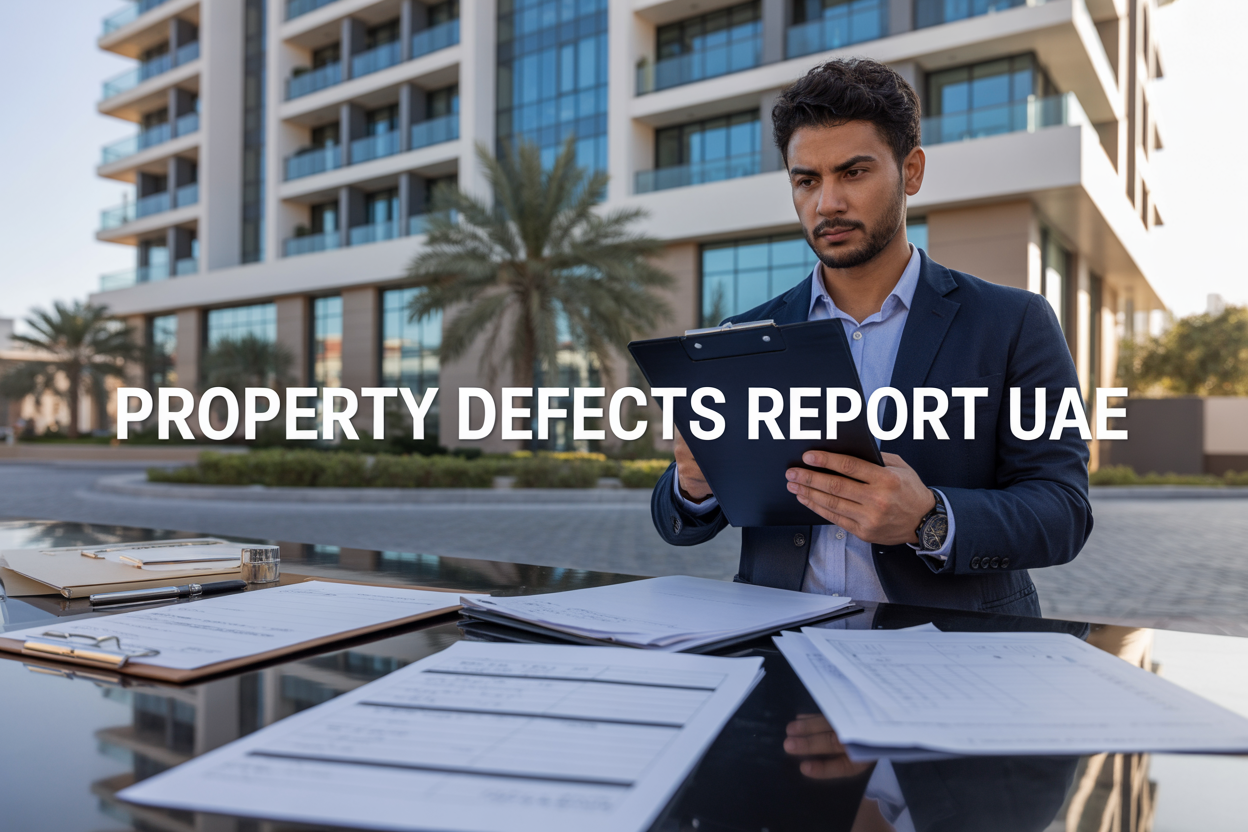
Getting a property defects report in UAE feels overwhelming when you first hold that thick document filled with technical jargon and inspection findings. This comprehensive guide helps property buyers, investors, and current homeowners decode their defects report and understand exactly what those findings mean for their investment.
You’ll discover what makes a thorough defects report and why having one protects your financial interests. We’ll break down how to read defect classifications so you know which issues need immediate attention versus minor cosmetic fixes. Finally, you’ll learn your legal rights as a property owner and the specific steps to take when your report reveals serious problems that require developer action.
What Is a Property Defects Report and Why You Need One
Definition and Legal Requirements in UAE Property Law
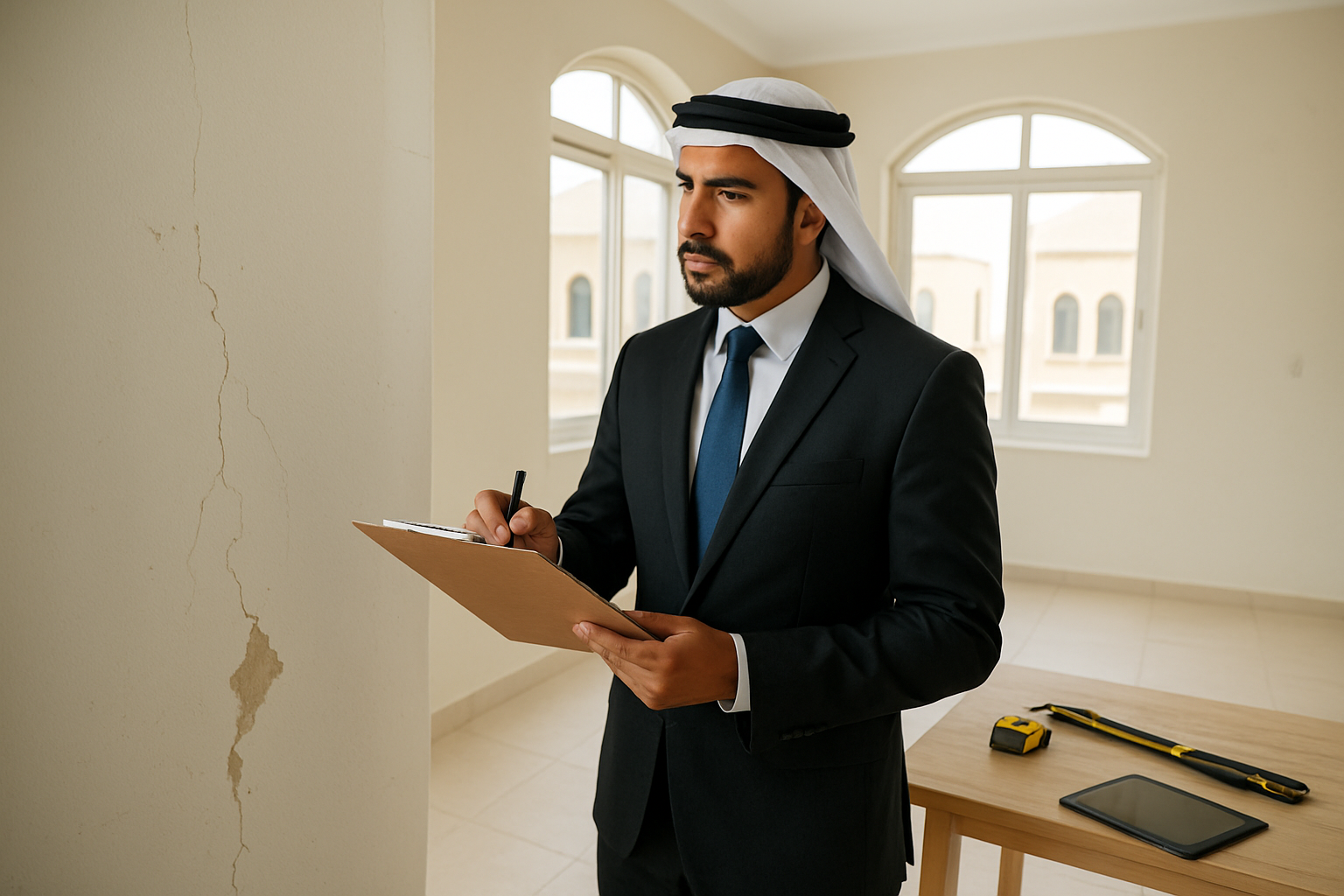
A property defects report serves as your official documentation of construction issues, quality problems, and incomplete work in your newly purchased or leased property. In the UAE, this document represents more than just a list of problems – it’s a legally recognized tool that establishes your rights as a property owner and creates binding obligations for developers to address identified issues.
The UAE’s property law framework, governed primarily by Federal Law No. 5 of 1985 (Civil Code) and various emirate-specific regulations, mandates that developers deliver properties in accordance with approved plans and specifications. Dubai Municipality, Abu Dhabi Municipality, and other local authorities require developers to obtain completion certificates before handing over properties, but these certificates don’t guarantee perfection. Your property defects report fills this critical gap by documenting discrepancies between what was promised and what was delivered.
Under UAE law, property buyers have specific timeframes to report defects. Most contracts include a defects liability period, typically ranging from one to two years, during which developers remain responsible for addressing construction issues. This period begins from the date of handover, making your defects report a time-sensitive document that can determine whether you’ll receive free repairs or bear the costs yourself.
The legal weight of a property defects report depends heavily on its thoroughness and professional preparation. Courts in the UAE recognize properly documented defects reports as evidence in property disputes, provided they meet certain criteria. The report must be specific, measurable, and professionally assessed to carry legal significance. Generic complaints or vague descriptions rarely succeed in legal proceedings.
Dubai’s Real Estate Regulatory Agency (RERA) and similar bodies in other emirates have established clear guidelines for property handovers and defect reporting procedures. These regulations protect consumers by requiring developers to maintain escrow accounts and provide warranties for their work. Your defects report activates these protections and ensures developers can’t simply ignore quality issues.
Professional defects reports should comply with international standards while adhering to local UAE building codes and regulations. The report must reference relevant building standards, whether they’re British Standards (BS), American Society for Testing and Materials (ASTM) specifications, or local UAE codes. This technical grounding gives your report credibility and makes it harder for developers to dismiss your concerns.
Protecting Your Investment from Costly Repairs
Real estate in the UAE represents a significant financial commitment, often involving substantial portions of an individual’s wealth or investment portfolio. A comprehensive property defects report acts as your financial shield, preventing minor issues from evolving into major expenses that could severely impact your investment’s value and your personal finances.
Construction defects have a tendency to worsen over time if left unaddressed. A small crack in a wall might seem insignificant initially, but it could indicate foundation settlement or structural issues that require extensive and expensive repairs later. Water damage from poor waterproofing might start as minor staining but can progress to mold growth, structural damage, and health hazards that cost tens of thousands of dirhams to remediate.
The UAE’s harsh climate conditions amplify the importance of identifying defects early. Intense heat, sandstorms, and occasional heavy rainfall can quickly worsen existing construction flaws. Poor sealing around windows and doors doesn’t just affect comfort – it allows moisture and sand infiltration that damages interior finishes, furniture, and mechanical systems. Air conditioning systems working harder due to poor insulation or air leaks consume significantly more electricity, adding hundreds or thousands of dirhams to annual utility costs.
Consider the financial implications of common defects found in UAE properties. Faulty waterproofing in bathrooms can lead to damage in adjacent rooms and floors below, potentially requiring complete renovation of multiple areas. Poor tile installation might necessitate complete replacement rather than simple repairs, especially if improper adhesives or substrates were used. Electrical defects pose both safety risks and potential insurance complications – many insurance policies exclude coverage for damage caused by pre-existing electrical problems.
A properly documented defects report creates a clear financial trail that protects you during the warranty period and beyond. Without this documentation, developers can claim that damage resulted from tenant negligence, normal wear and tear, or factors beyond their control. Your report establishes baseline conditions and creates developer liability for addressing issues at their expense rather than yours.
The report also protects your property’s resale value. Future buyers and their inspectors will scrutinize any signs of previous problems. Having documentation showing that defects were identified early and properly addressed by the original developer demonstrates responsible ownership and property maintenance. This transparency can actually enhance your property’s marketability compared to similar units where defect history remains unknown.
Smart investors understand that the cost of a professional defects report – typically ranging from AED 2,000 to AED 8,000 depending on property size and complexity – represents minimal expense compared to potential repair costs. Major structural issues, complete bathroom renovations, or electrical system overhauls can easily cost AED 50,000 or more per incident.
Meeting Contractual Obligations with Developers
Your purchase agreement with the developer creates mutual obligations that extend beyond the simple exchange of money for property. Most UAE property contracts include specific clauses addressing defects, warranties, and handover procedures. Understanding and properly executing your role in this contractual relationship requires strategic use of the defects report process.
Developer contracts typically include defects liability periods, warranty clauses, and specific procedures for reporting and addressing issues. These contractual terms aren’t just suggestions – they’re legally binding commitments that developers must honor. Your defects report serves as the formal mechanism for invoking these contractual protections and ensuring developers fulfill their obligations.
The timing of your defects report directly impacts your contractual rights. Most contracts specify timeframes for reporting different types of defects. Obvious defects like missing fixtures, damaged finishes, or non-functioning systems typically must be reported within 30 to 90 days of handover. Latent defects – those that aren’t immediately apparent – often have longer reporting periods, sometimes extending to two years or more.
Failing to submit a comprehensive defects report within contractual deadlines can result in waiving your rights to free repairs and remediation. Developers commonly argue that unreported issues weren’t present at handover or resulted from tenant actions rather than construction defects. Your timely, professional defects report eliminates these arguments and forces developers to address legitimate concerns.
Many contracts include penalty clauses for developers who fail to address reported defects within specified timeframes. These penalties might include daily fees, alternative accommodation costs, or even contract cancellation rights in severe cases. Your defects report triggers these penalty provisions and creates financial incentives for prompt developer response.
The report process also protects you from potential developer claims about property condition at handover. Some contracts include clauses allowing developers to charge tenants for damage or missing items. A thorough defects report documents the exact condition of your property at handover, preventing disputes about what was included, what was working, and what required attention from the beginning.
Professional defects reports often identify issues that weren’t obvious during initial walkthroughs but become apparent through systematic inspection. Hidden problems behind walls, in ceiling spaces, or within mechanical systems might not surface until specialized equipment and expertise are applied. Your contractual right to receive a property “free from defects” extends to these hidden issues, but only if they’re properly documented and reported.
The collaborative aspect of defect resolution works best when both parties understand their contractual obligations. Developers prefer to address legitimate concerns early rather than face potential legal action or regulatory intervention. Your professional, well-documented defects report demonstrates seriousness and often encourages developers to respond positively and promptly.
Avoiding Future Disputes and Liability Issues
Property ownership inevitably involves relationships with various parties – developers, property management companies, neighbors, and potential future buyers. A comprehensive defects report serves as your foundation for avoiding disputes with all these parties by clearly establishing property conditions and responsibility for various issues.
Disputes between property owners and developers often center on disagreements about when problems occurred and who bears responsibility for addressing them. Developers routinely claim that reported issues resulted from tenant misuse, normal wear and tear, or factors beyond their control. Without proper documentation from the handover period, these disputes become expensive battles of conflicting opinions rather than straightforward assessments of developer responsibility.
The legal system in the UAE places significant emphasis on documentary evidence in property disputes. Courts expect parties to present clear, professional documentation supporting their claims. Generic complaints, verbal agreements, or informal communications carry limited weight in legal proceedings. Your professionally prepared defects report provides the strong documentary foundation needed to support your position in any future disputes.
Property management companies often become involved in defect-related disputes, especially in developments with shared facilities and common areas. Clear documentation of individual unit conditions helps distinguish between unit-specific issues (developer responsibility) and building-wide problems (potentially shared responsibility through service charges). This distinction can save you thousands of dirhams in unnecessary service charge assessments for problems that should be addressed by the original developer.
Neighbor disputes sometimes arise from defects that affect multiple units. Water leaks, structural issues, or shared system problems can create complex liability scenarios involving multiple parties. Your individual defects report helps establish that you identified and reported relevant issues promptly, protecting you from potential claims that your negligence contributed to problems affecting neighboring units.
Future sale transactions benefit enormously from comprehensive defects documentation. Potential buyers increasingly demand detailed property histories, especially in markets where construction quality varies significantly. Being able to demonstrate that defects were identified early and properly addressed by the developer creates confidence in your property’s condition and maintenance history.
The report also protects you from potential liability claims. If defects in your property cause damage to neighboring units or common areas, having documentation showing you reported the issues promptly can limit your liability exposure. Insurance companies also view professional defects documentation favorably when assessing claims and determining coverage applicability.
Regular updates to your defects status create an ongoing record of property condition and maintenance activities. This documentation becomes valuable for insurance claims, warranty claims, and demonstrating responsible ownership practices. The initial defects report serves as the foundation for this ongoing documentation process.
Professional defects reports often identify safety issues that could create liability exposure for property owners. Electrical problems, structural concerns, or fire safety deficiencies require immediate attention to prevent potential injury claims. Early identification and prompt developer action eliminate these liability risks before they can impact you financially or legally.
The collaborative resolution process encouraged by professional defects reporting often prevents minor disagreements from escalating into major disputes. When developers understand that you’ve invested in professional documentation and understand your rights, they’re more likely to address concerns promptly and fairly. This positive relationship often extends beyond the initial defects period and benefits you throughout your ownership experience.
Key Components Every Property Defects Report Must Include
Structural Defects and Foundation Issues
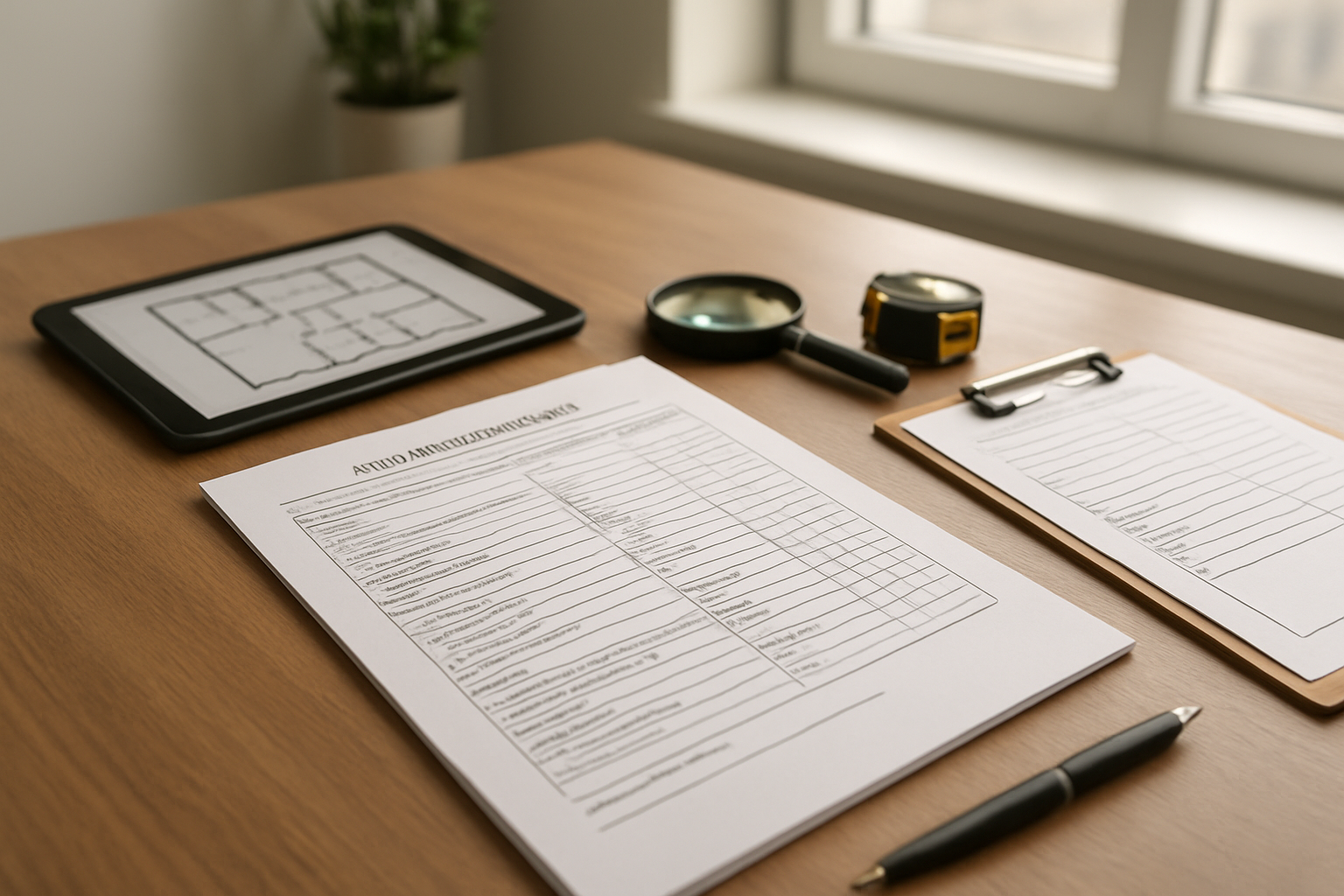
When you receive your property defects report, the structural section demands your closest attention. These defects can seriously impact your property’s safety, value, and long-term stability. A comprehensive report must detail every structural concern, from minor cracks to major foundation problems.
Foundation Assessment
Your report should include a thorough examination of the foundation system. Inspectors must document any settlement issues, which often appear as cracks in walls, floors, or ceilings. Uneven floors represent another critical foundation problem that your report must address. The inspector should measure floor levels using precision instruments and note variations exceeding acceptable tolerances.
Moisture infiltration around the foundation requires detailed documentation. The report should identify areas where water penetrates the foundation walls, potentially causing long-term structural damage. This includes checking waterproofing systems, drainage around the building perimeter, and any signs of water damage in basement or ground-floor areas.
Load-Bearing Elements
Every load-bearing component needs careful evaluation in your defects report. Columns, beams, and load-bearing walls must be assessed for cracks, deflection, or other structural compromises. The report should include measurements of any cracks, noting their width, length, and location. Photographs become essential documentation for these defects.
Steel reinforcement exposure presents a serious structural concern. Your report must identify areas where rebar becomes visible through concrete, indicating potential corrosion problems. This often occurs due to insufficient concrete cover or poor construction practices during the building phase.
Concrete and Masonry Issues
Concrete defects require extensive documentation in your report. Honeycomb concrete, where aggregate becomes visible due to poor mixing or placement, must be photographed and measured. Spalling concrete, where surface layers break away, indicates potential structural weakness and requires immediate attention.
Masonry work evaluation includes checking mortar joints, brick or block alignment, and overall wall stability. The report should document any bulging walls, loose mortar, or structural cracks that could compromise the building’s integrity.
Slab and Floor Structure
Floor slab defects often indicate more serious structural problems. Your report must document any cracking in floor slabs, noting whether cracks follow patterns that suggest structural movement. Delamination, where the concrete surface separates from the underlying slab, requires careful documentation with both visual inspection and tap testing results.
Floor level variations need precise measurement and documentation. The report should include floor elevation readings throughout the property, identifying areas where floors don’t meet acceptable flatness standards.
Electrical and Plumbing System Problems
Electrical and plumbing systems form the backbone of your property’s functionality. A detailed defects report must cover every aspect of these critical systems, from main service panels to individual fixtures.
Electrical System Evaluation
Your electrical defects documentation begins with the main service panel inspection. The report must verify proper panel installation, appropriate circuit protection, and correct labeling of all circuits. Inspectors should test ground fault circuit interrupters (GFCIs) and arc fault circuit interrupters (AFCIs) to ensure proper operation.
Circuit distribution throughout the property requires thorough testing and documentation. The report should identify any circuits operating beyond their rated capacity, improper wire sizing for the intended load, or circuits sharing neutral wires inappropriately. Each electrical outlet needs testing to verify proper grounding and polarity.
Wiring and Installation Standards
Wire installation defects must be carefully documented in your report. This includes identifying any exposed wiring, improper wire routing, or inadequate wire protection in areas where damage could occur. Junction box installations need inspection for proper coverage, accessibility, and secure connections.
Cable management systems require evaluation for compliance with UAE electrical codes. The report should document any cables routed through inappropriate areas, lack of proper cable supports, or mixing of different cable types in the same conduit system.
Lighting and Fixture Assessment
Every light fixture installation needs inspection and documentation. The report must identify fixtures that aren’t properly secured, have incorrect wiring connections, or don’t meet safety standards for their intended location. Emergency lighting systems require functional testing to ensure proper operation during power outages.
Switch and control device functionality needs comprehensive testing. The report should document any switches that don’t operate correctly, dimmer controls that create electrical interference, or control systems that don’t function as designed.
Plumbing System Documentation
Water supply system evaluation forms a critical part of your defects report. Inspectors must test water pressure throughout the property, documenting any areas with insufficient pressure or excessive pressure that could damage fixtures or appliances. The report should include pressure readings at multiple locations and flow rate measurements at various fixtures.
Pipe installation assessment requires checking for proper pipe sizing, appropriate pipe materials for their intended use, and correct pipe routing throughout the property. The report must document any pipes routed through inappropriate areas or installations that don’t meet local plumbing codes.
Drainage and Waste Systems
Waste water drainage systems need comprehensive testing and documentation. The report should include results from drain flow tests, identifying any slow-draining fixtures or blocked drain lines. Floor drain functionality in areas like bathrooms, kitchens, and utility rooms requires verification and documentation.
Vent system evaluation ensures proper drainage operation. The report must document any missing or improperly installed plumbing vents that could cause drainage problems or allow sewer gases to enter the building.
Water Heating and Distribution
Hot water system assessment requires testing water temperature at various fixtures and documenting heat-up times. The report should identify any fixtures that don’t receive adequate hot water or take excessive time to reach proper temperature. Water heater installation must be evaluated for proper venting, safety controls, and code compliance.
Pipe insulation documentation becomes important for energy efficiency and preventing condensation problems. The report should identify areas where pipe insulation is missing, damaged, or inadequate for the local climate conditions.
Finishing and Cosmetic Defects Documentation
While finishing defects might seem less critical than structural or system problems, proper documentation ensures your property meets the quality standards you paid for. These defects often indicate underlying construction issues and can significantly impact your property’s appearance and value.
Wall and Ceiling Finish Assessment
Paint application quality requires detailed documentation in your defects report. This includes identifying areas with uneven coverage, visible brush or roller marks, color variations, or paint applied over dirty or unprepared surfaces. The report should photograph defective areas and note their location for repair reference.
Wallpaper installation defects need careful documentation when applicable. This includes bubbles, lifting edges, pattern misalignment, or visible seams. The report should note whether wallpaper adhesive is failing or if surface preparation was inadequate before installation.
Flooring Installation Problems
Tile installation assessment covers alignment, level installation, and proper grouting. Your report must document any tiles that are loose, cracked, or not level with adjacent tiles. Grout problems including cracking, missing grout, or inconsistent grout color require documentation with photographs showing the extent of problems.
Carpet installation defects include improper stretching, visible seams, wear patterns that indicate poor installation, or carpet that doesn’t lay flat. The report should document areas where carpet edges aren’t properly finished or where carpet meets other flooring materials incorrectly.
Hardwood or laminate flooring problems require documentation of gaps between planks, squeaking floors, uneven surfaces, or damaged planks. The report should note whether problems result from poor installation, inadequate subfloor preparation, or material defects.
Window and Door Installation
Window installation evaluation includes checking for proper alignment, smooth operation, and adequate weather sealing. Your report must document any windows that don’t open or close properly, have damaged or missing weather stripping, or show signs of air or water infiltration.
Door installation assessment covers proper fit within door frames, smooth operation of hinges and hardware, and appropriate clearances for proper function. The report should document any doors that don’t close properly, have damaged hardware, or don’t provide adequate sound or thermal insulation.
Trim and Millwork Quality
Baseboard, crown molding, and other trim installation requires evaluation for proper fit, alignment, and finish quality. Your report must document any gaps between trim pieces, poorly mitered corners, or trim that isn’t securely attached to walls or ceilings.
Cabinet installation assessment includes checking door and drawer alignment, proper hardware operation, and finish quality. The report should document any cabinet doors that don’t align properly, drawers that don’t operate smoothly, or cabinet finishes that show defects or damage.
Bathroom and Kitchen Finish Details
Bathroom tile installation requires special attention to waterproofing and proper installation techniques. Your report must document any areas where tile installation could allow water infiltration, including improperly sealed areas around fixtures or inadequate caulking.
Kitchen finish evaluation includes countertop installation, backsplash tile work, and appliance installation. The report should document any gaps between countertops and walls, improperly installed backsplashes, or appliances that aren’t properly integrated with surrounding finishes.
Hardware and Fixture Installation
Light fixture installation assessment covers secure mounting, proper electrical connections, and appropriate fixture selection for each location. Your report must document any fixtures that aren’t securely mounted, show signs of poor electrical connections, or don’t provide adequate lighting for their intended purpose.
Plumbing fixture installation evaluation includes checking for proper mounting, correct connections, and appropriate sealing to prevent water damage. The report should document any fixtures that aren’t securely mounted, show signs of leaking, or don’t function properly.
How to Interpret Defect Classifications and Severity Levels

Understanding Critical Versus Minor Defects
When you get your property defects report, you’ll see defects categorized into different levels based on their impact and urgency. The classification system helps you understand what needs immediate attention and what can wait a bit longer.
Critical defects pose serious safety risks or cause significant functional problems that make your property unsafe or unusable. These include structural cracks that compromise building integrity, electrical faults that create fire hazards, plumbing leaks causing water damage, major HVAC failures affecting habitability, and security system malfunctions. For example, exposed electrical wiring in wet areas like bathrooms represents a critical safety hazard requiring immediate attention.
Major defects affect the property’s functionality or value but don’t pose immediate safety threats. Examples include non-functioning appliances, damaged flooring that impacts daily use, faulty windows or doors that don’t close properly, incomplete finishes in key areas, and minor plumbing issues like low water pressure. These problems need fixing but won’t put anyone in danger if they wait a few weeks.
Minor defects are cosmetic issues or small functional problems that don’t significantly impact daily life. Paint touch-ups, small scratches on fixtures, loose cabinet handles, minor tile imperfections, or slightly uneven surfaces fall into this category. While these still need addressing, they’re the lowest priority for repair scheduling.
Administrative defects involve missing documentation, certificates, or warranties rather than physical problems. These might include missing appliance manuals, incomplete testing certificates, or warranty documentation that wasn’t provided during handover.
The distinction between categories isn’t always black and white. A single issue might start as minor but escalate to major if left unaddressed. Water stains on walls might seem minor initially, but they could indicate underlying moisture problems that will worsen over time.
Different developers and inspection companies may use slightly different terminology, but the core concept remains consistent: safety and functionality determine the urgency level. Some reports use numerical scales (1-5) or color coding (red for critical, yellow for major, green for minor) to make classifications visually clear.
Priority Ranking System for Repair Scheduling
Property defects reports include priority rankings that guide repair scheduling and help both you and the developer organize work efficiently. Understanding this system helps you plan your timeline and set realistic expectations for resolution.
Priority 1 (Immediate Action Required) defects demand attention within 24-48 hours due to safety concerns or potential for rapid deterioration. These include gas leaks, electrical hazards, structural instability, major water leaks, or security system failures. Developers typically have emergency response protocols for these issues, and you should contact them immediately if you identify Priority 1 defects.
Priority 2 (Urgent – 1-2 weeks) items affect daily living but don’t pose immediate safety risks. Examples include non-functioning air conditioning during summer months, major appliance failures, significant plumbing problems affecting multiple fixtures, or exterior door/window issues compromising security. These require prompt attention but can be scheduled around contractor availability.
Priority 3 (High – 2-4 weeks) defects impact comfort or property value but allow more flexibility in scheduling. This category includes minor HVAC issues, single appliance problems, cosmetic damage in main living areas, or finish work that affects the property’s appearance. Developers often batch these repairs to improve efficiency.
Priority 4 (Medium – 1-2 months) encompasses issues that need addressing but don’t significantly impact daily life. Examples include minor cosmetic defects, small finish imperfections, or documentation gaps. These can often be combined with other maintenance visits to reduce disruption.
Priority 5 (Low – Before warranty expiration) covers the least urgent items that should be resolved before warranty periods expire. These might include very minor cosmetic issues, small touch-ups, or administrative items like missing manuals.
The priority system considers several factors beyond just defect severity. Seasonal considerations play a role – air conditioning repairs get higher priority during summer months, while heating issues become more urgent in winter. The availability of specialized contractors also affects scheduling, as some repairs require specific expertise or equipment that might not be immediately available.
Weather conditions can impact priority rankings too. Roof leaks that might normally be Priority 2 become Priority 1 during rainy seasons. Similarly, exterior work might be delayed during extreme weather, temporarily lowering its practical priority despite its classification.
Some developers use sophisticated tracking systems that automatically adjust priorities based on multiple factors including contractor availability, parts procurement timelines, and seasonal considerations. Others rely on project managers to manually assess and adjust schedules based on practical constraints.
Cost Implications of Different Defect Categories
The financial impact of defects varies dramatically based on their category, and understanding these cost implications helps you make informed decisions about repairs and potential compensation claims.
Critical defects often carry the highest financial consequences, both in repair costs and potential damages if left unaddressed. Structural repairs can cost thousands of dirhams, while electrical work requiring rewiring might reach similar amounts. Water damage from major leaks can quickly escalate into tens of thousands in repair costs when considering flooring replacement, wall reconstruction, and mold remediation.
The indirect costs of critical defects can exceed direct repair expenses. If electrical problems make your property uninhabitable, you might need temporary accommodation while repairs are completed. Lost rental income for investment properties, storage costs for belongings, and business disruption can significantly multiply the total financial impact.
Major defects typically involve moderate repair costs but can affect property values if not properly addressed. HVAC system replacements might cost 10,000-30,000 AED depending on the system size and complexity. Kitchen appliance replacements can range from 2,000-15,000 AED per unit. Flooring repairs might cost 50-200 AED per square meter depending on materials and complexity.
These defects also impact your enjoyment of the property and might affect rental potential or resale value. A property with known major defects might sell for 2-5% less than comparable units without issues, potentially representing significant financial losses on high-value properties.
Minor defects have relatively low individual repair costs, typically ranging from 100-2,000 AED per item. However, these costs can accumulate quickly when multiple minor issues exist throughout a property. A comprehensive cosmetic touch-up might cost 5,000-15,000 AED for an average apartment when addressing paint, fixtures, and small repairs throughout.
The timing of minor defect repairs affects costs significantly. Addressing multiple minor issues during a single visit reduces labor costs and minimizes disruption. Waiting until after warranty expiration means you’ll bear these costs personally rather than having them covered by developer warranties.
Administrative defects typically have minimal direct costs but can create expensive problems if not resolved. Missing warranties might mean paying for repairs that should be covered. Incomplete documentation could complicate insurance claims or affect property transfers. While fixing administrative defects might only cost a few hundred dirhams, the potential future costs of not having proper documentation can be substantial.
Insurance considerations add another layer to cost implications. Some insurance policies exclude coverage for pre-existing defects, making it essential to document and repair issues promptly. Properties with known unrepaired defects might face higher insurance premiums or coverage restrictions.
The cost of not addressing defects often exceeds repair expenses. Minor leaks become major water damage. Small electrical issues become fire hazards. Cosmetic problems become structural concerns. Early intervention almost always costs less than delayed repairs.
Timeline Expectations for Resolution
Setting realistic expectations for defect resolution timelines prevents frustration and helps you plan accordingly. Multiple factors influence how quickly different types of defects get resolved, and understanding these factors helps you advocate effectively for timely repairs.
Critical defects should receive immediate attention, with emergency response within 24 hours and resolution within 1-3 days in most cases. However, some critical repairs might take longer if they require specialized equipment, custom parts, or extensive work. Structural repairs might need engineering assessments that add several days to the timeline, while major electrical work could require municipal inspections that extend the process.
Weather conditions significantly impact critical defect timelines. Roof repairs might be impossible during storms, while extreme temperatures can delay certain types of work. Developers should provide temporary solutions during weather delays to maintain safety and habitability.
Major defects typically see resolution within 1-4 weeks, depending on the complexity and parts availability. HVAC repairs might be completed quickly if standard parts are needed, but custom components could add weeks to the timeline. Appliance replacements depend on inventory and delivery schedules, which can vary significantly based on brand and model specifications.
Contractor scheduling affects major defect timelines considerably. Specialized trades like plumbers or electricians might have limited availability during peak construction seasons. Developers with established contractor relationships typically achieve faster resolution times than those relying on ad-hoc arrangements.
Minor defects often take 2-8 weeks for resolution, not because they’re technically complex, but because they’re typically batched with other work to improve efficiency. Developers often schedule multiple minor repairs during single visits to reduce costs and minimize disruption to residents.
The batching approach means your individual minor defects might wait for other residents’ repairs to be scheduled simultaneously. While this can be frustrating, it’s generally more efficient and cost-effective than addressing each minor issue separately.
Seasonal factors significantly impact all timeline categories. Construction activity slows during extreme summer heat in the UAE, potentially extending repair timelines. Ramadan affects working hours and contractor availability. Holiday periods can delay parts procurement and contractor scheduling.
Supply chain considerations have become increasingly important for timeline planning. Global supply chain disruptions can delay specialized equipment or custom fixtures for weeks or months. Developers with strong supplier relationships and local inventory typically achieve faster resolution times.
Documentation and approval processes add time to certain repairs. Major modifications might require building management approval, municipal permits, or engineering sign-offs. These administrative steps can add days or weeks to otherwise straightforward repairs, particularly in high-rise buildings or complex developments.
Quality control measures built into the repair process can extend timelines but improve outcomes. Developers who implement thorough inspection and testing protocols might take longer initially but typically avoid repeat visits and additional delays.
Effective communication with developers about timeline expectations prevents misunderstandings. Request written timelines for major repairs and regular updates on progress. Document any delays and their causes to support potential compensation claims if timelines become unreasonable.
Understanding that some delays are unavoidable helps maintain realistic expectations while ensuring legitimate concerns are addressed promptly. The key is distinguishing between reasonable delays due to complexity or external factors versus poor project management or contractor performance issues.
Your Rights and Developer Obligations Under UAE Law

Warranty Periods and Coverage Limitations
Property developers in the UAE must provide specific warranty coverage for structural and non-structural defects, with distinct timeframes that property buyers need to understand. The UAE Civil Code and various emirate-specific regulations establish minimum warranty periods that cannot be waived or reduced through contractual agreements.
Structural defects typically receive the longest warranty coverage, spanning 10 years from the date of property handover. These defects include foundation issues, load-bearing wall cracks, roof structural problems, and major plumbing or electrical system failures that affect the building’s integrity. The 10-year period recognizes that structural issues may not manifest immediately and often develop over time due to settlement, environmental factors, or construction flaws.
Non-structural defects carry a shorter warranty period, usually between 1-2 years depending on the specific emirate and type of defect. These cover items like paint defects, minor plumbing leaks, electrical fixture problems, door and window alignment issues, and cosmetic finishes. While these defects may seem minor, they can significantly impact your daily living experience and property value.
Mechanical, electrical, and plumbing (MEP) systems often have specialized warranty terms ranging from 2-5 years. Air conditioning systems, elevators, fire safety equipment, and building automation systems fall under this category. Developers typically provide manufacturer warranties for major equipment, which may extend beyond the standard warranty periods.
Coverage limitations exist for normal wear and tear, damage caused by misuse or lack of maintenance, and defects resulting from alterations made by the property owner. Weather-related damage, unless directly attributable to construction defects, is usually excluded from warranty coverage. Developers also exclude defects caused by third-party contractors hired by the property owner for modifications or repairs.
Some warranty terms include specific maintenance requirements that property owners must follow to maintain coverage. Failure to service air conditioning systems according to manufacturer specifications or neglecting regular maintenance of plumbing fixtures can void warranty claims for related defects.
| Defect Type | Warranty Period | Coverage Scope |
|---|---|---|
| Structural | 10 years | Foundation, load-bearing elements, major systems |
| Non-structural | 1-2 years | Finishes, minor fixtures, cosmetic issues |
| MEP Systems | 2-5 years | HVAC, electrical, plumbing, elevators |
| Appliances | Manufacturer warranty | Kitchen appliances, built-in equipment |
Legal Remedies for Unresolved Defects
When developers fail to address defects within reasonable timeframes, property owners have several legal remedies available under UAE law. The approach you take depends on the severity of defects, financial impact, and developer’s willingness to cooperate.
The first legal remedy involves formal notice procedures. You must provide written notice to the developer detailing the specific defects, requesting repairs within a reasonable timeframe (typically 30-60 days), and clearly stating the consequences of non-compliance. This notice serves as evidence of your attempts to resolve matters amicably and is required before pursuing other legal remedies.
For minor defects that developers refuse to address, you can arrange repairs yourself and seek reimbursement through small claims procedures. Keep detailed records of all expenses, obtain multiple quotes to demonstrate reasonable costs, and ensure the repairs address the original defects without creating new issues. This approach is practical for defects costing less than AED 100,000 and provides quick resolution.
Major structural defects or systematic problems affecting multiple units may require collective action through owners’ association litigation. When multiple property owners face similar defects, joining together strengthens your legal position and reduces individual costs. Collective action is particularly effective for common area defects, building envelope issues, or defects affecting the building’s structural integrity.
Contract rescission becomes an option when defects are so severe that the property is unsuitable for its intended purpose. This remedy allows you to return the property to the developer and recover your purchase price plus damages. Courts typically reserve rescission for cases involving fundamental structural defects, health and safety hazards, or widespread defects making the property uninhabitable.
Compensation claims can cover not only repair costs but also additional damages including temporary accommodation expenses, rental losses, decreased property value, and professional fees for inspections and legal representation. Documentation of all related expenses strengthens your compensation claim.
Expert witness testimony often proves crucial in legal proceedings involving construction defects. Qualified engineers, architects, and construction specialists can provide professional opinions on defect causes, appropriate repair methods, and associated costs. Their testimony helps establish developer liability and quantify damages accurately.
Alternative dispute resolution through mediation or arbitration may provide faster, less expensive resolution than court proceedings. Many purchase agreements include mandatory arbitration clauses, requiring disputes to be resolved through private arbitration rather than court litigation.
Documentation Requirements for Claims
Successful defect claims require comprehensive documentation from the initial property inspection through final resolution. The quality and completeness of your documentation directly impacts your ability to prove defects, establish timelines, and recover damages.
Photographic evidence forms the foundation of defect documentation. Take high-resolution photos of each defect from multiple angles, including wide shots showing the defect’s location and close-ups revealing specific details. Include a measuring tape or common object in photos to demonstrate scale. Date-stamp all photos and organize them by location and defect type for easy reference.
Video documentation proves particularly valuable for defects involving water leaks, electrical malfunctions, or mechanical system failures. Videos can capture defects in action that photographs cannot adequately demonstrate. Record the date, time, and weather conditions when documenting each defect.
Written defect descriptions should be specific and objective, avoiding subjective terms like “poor quality” in favor of precise descriptions like “1.5mm gap between door frame and wall.” Include defect locations using room names and specific references like “north wall, 2 meters from entrance door.”
Professional inspection reports from qualified engineers or certified inspectors provide crucial technical documentation. These reports carry more weight than owner observations and can identify hidden defects not visible during casual inspection. Professional reports also provide repair cost estimates and prioritize defects by severity.
Correspondence records must include all communications with developers, management companies, contractors, and regulatory authorities. Save emails, text messages, phone call logs, and meeting minutes. Document who was present during site visits, what was discussed, and any commitments made by the developer or their representatives.
Timeline documentation proves especially important when warranty periods are involved. Create a chronological record showing when defects were first discovered, when they were reported, developer response times, and any deterioration over time. This timeline helps establish whether claims fall within warranty periods and demonstrates developer delays in addressing issues.
Maintenance records show that you’ve properly maintained the property and that defects aren’t due to neglect or misuse. Keep receipts for cleaning services, HVAC maintenance, plumbing repairs, and other property upkeep activities. These records counter developer claims that defects result from inadequate maintenance.
Financial documentation should include all expenses related to defects, including temporary repairs, professional inspections, legal consultations, and alternative accommodation costs. Obtain detailed invoices showing materials and labor costs for any work performed to address defects.
Weather records can be relevant for defects involving water infiltration, structural movement, or other environmental factors. Obtain official weather data showing temperature extremes, rainfall amounts, and wind conditions that may have contributed to defect manifestation or provided testing conditions for building systems.
Escalation Procedures Through Regulatory Bodies
When direct negotiations with developers fail to resolve defect issues, several regulatory bodies in the UAE provide escalation mechanisms for property buyers. Understanding which authority has jurisdiction over your specific situation and following proper procedures improves your chances of successful resolution.
The Real Estate Regulatory Agency (RERA) in Dubai handles complaints related to property defects and developer obligations. RERA’s complaint process begins with online registration through their official portal, where you must provide detailed information about the property, developer, and specific defects. Include all supporting documentation and clearly state the resolution you’re seeking.
RERA typically requires you to attempt direct resolution with the developer before accepting complaints. You must provide evidence of your attempts to resolve the matter, including correspondence with the developer and any responses received. The agency may facilitate mediation sessions between you and the developer to reach mutually acceptable solutions.
Abu Dhabi’s Department of Municipalities and Transport (DMT) oversees similar functions in the capital emirate. Their complaint procedures mirror RERA’s requirements but may have different timelines and documentation standards. Check their specific requirements and ensure your complaint meets all criteria before submission.
The UAE Central Bank regulates mortgage-related issues when defects affect property values or mortgage terms. If defects significantly impact your property’s market value or create disputes with mortgage lenders, the Central Bank may provide assistance through their consumer protection mechanisms.
Local municipalities handle complaints related to building permits, construction standards, and code violations. When defects involve violations of approved construction plans or building codes, municipal authorities can investigate and order corrective action. This approach works well for defects affecting health and safety standards or building integrity.
Consumer protection authorities in each emirate address unfair commercial practices and contract violations. When developers engage in deceptive practices or breach warranty obligations, these authorities can investigate and impose penalties. Consumer protection complaints often carry more weight than individual civil litigation.
Professional licensing authorities regulate architects, engineers, and contractors involved in construction projects. When defects result from professional negligence or violations of professional standards, complaints to licensing authorities can result in disciplinary action and may strengthen your civil claims.
The complaint escalation process typically follows these stages:
- Initial Complaint Registration: Submit detailed complaint with supporting documentation
- Preliminary Review: Authority reviews complaint for jurisdiction and completeness
- Developer Notification: Authority notifies developer and requests response
- Investigation Phase: Authority may conduct site visits and review technical evidence
- Mediation Attempts: Authority may facilitate settlement discussions
- Formal Hearing: If mediation fails, formal hearing with both parties present
- Decision and Enforcement: Authority issues decision and monitors compliance
Response timeframes vary by authority but typically range from 30-90 days for initial reviews and 6-12 months for complete resolution. More complex cases involving multiple parties or technical issues may require longer investigation periods.
Some authorities provide interim relief measures while complaints are pending. These may include orders preventing further construction activity that could worsen defects or requirements that developers provide temporary solutions to address health and safety concerns.
Appeal procedures exist when you disagree with regulatory decisions. Most authorities provide internal appeal mechanisms, and you typically retain the right to pursue civil litigation regardless of regulatory outcomes. Understanding these options helps you develop comprehensive strategies for defect resolution that combine regulatory action with civil remedies when necessary.
Taking Action After Receiving Your Defects Report
Immediate Steps to Protect Your Interests
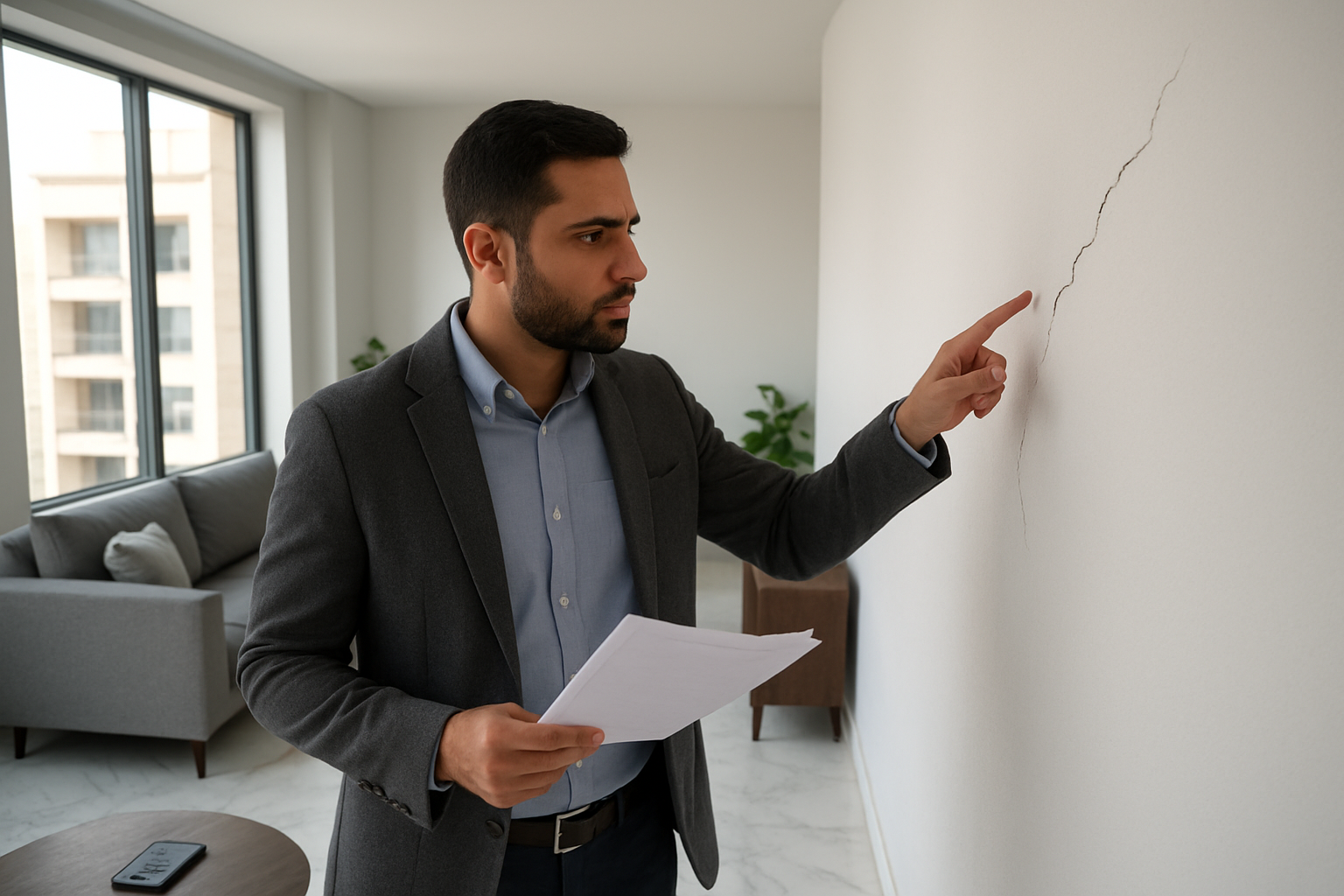
When you receive a property defects report, your first move should be to create a complete digital backup of all documents. Scan or photograph every page, including any attachments, and store these files in multiple locations – cloud storage, email, and physical backup drives. Property disputes can stretch for months or even years, and losing your documentation could seriously weaken your position.
Read through the entire report carefully within 24-48 hours of receiving it. Don’t skip sections that seem technical or complex – these often contain the most critical information about structural issues or safety concerns. Create a simple checklist of all identified defects, noting their classification levels and any developer responses already provided.
Contact your real estate agent or legal advisor immediately if you spot any major structural defects, safety hazards, or issues that could affect the property’s habitability. In the UAE, you typically have specific timeframes to respond to defects reports, and missing these deadlines could impact your legal rights. Some developers include clauses requiring written responses within 7-14 days of report receipt.
Document the property’s current condition with your own photos and videos. Walk through each room systematically, capturing wide shots and close-ups of any visible defects. Pay special attention to areas mentioned in the report, but also look for additional issues that might have been missed. This independent documentation becomes valuable evidence if disputes arise later.
Check your purchase agreement for specific clauses about defects reporting and remediation procedures. Many contracts outline exact processes for handling defect reports, including mandatory inspection periods and developer response timelines. Understanding these contractual obligations helps you hold all parties accountable to agreed-upon terms.
Create a dedicated email account or folder system for all property defect-related correspondence. Every email, text message, or written communication about repairs should be organized chronologically. This paper trail becomes essential when tracking promises made by developers or contractors about repair timelines and quality standards.
If your property defects report reveals serious issues affecting habitability – such as plumbing failures, electrical problems, or structural damage – you may need to arrange temporary accommodation while repairs are completed. Keep all receipts for additional expenses incurred due to these defects, as UAE law often allows property owners to seek compensation for reasonable costs resulting from developer failures.
Consider hiring an independent building inspector to verify the defects report’s accuracy and completeness. Sometimes developer-commissioned reports might downplay certain issues or miss problems that could become expensive headaches later. An independent assessment costs money upfront but often saves thousands in future repair costs.
Negotiating Repair Timelines with Developers
Start repair timeline negotiations by understanding the seasonal and practical constraints affecting construction work in the UAE. Summer months bring extreme heat that limits working hours and can extend project timelines significantly. Ramadan periods also affect working schedules across the construction industry. Factor these realities into your expectations while still pushing for reasonable completion dates.
Present developers with a prioritized list of defects requiring immediate attention versus those that can wait. Safety issues like faulty electrical wiring, gas leaks, or structural problems should top your priority list with demanded completion within 30-45 days. Cosmetic issues like paint touch-ups or minor tile repairs can reasonably take 60-90 days without significantly impacting your property use.
Research typical repair timeframes for different types of construction work in the UAE market. Plumbing repairs generally take 2-4 weeks, electrical work ranges from 1-3 weeks depending on complexity, and structural repairs can extend 6-12 weeks or longer. Armed with this knowledge, you can spot when developers propose unreasonably long timelines and negotiate more aggressively.
Ask developers to provide detailed project schedules breaking down each repair phase. Generic promises like “we’ll fix everything in three months” aren’t helpful for planning purposes. Instead, push for specific milestones: electrical repairs completed by week 2, plumbing fixes finished by week 4, and final inspections scheduled for week 6.
Negotiate penalty clauses for missed repair deadlines. Professional property owners often include daily penalty fees – typically 0.1% to 0.5% of the repair value – for each day repairs extend beyond agreed deadlines. While developers may resist these terms, they provide strong incentives for timely completion and compensation for your inconvenience.
Request regular progress updates through formal communication channels. Weekly email updates with photos showing repair progress help you monitor contractor performance and identify potential delays early. These updates also create documentation trails that become valuable if legal action becomes necessary later.
Consider offering incentives for early completion alongside penalties for delays. Bonus payments for finishing critical repairs ahead of schedule can motivate contractors to prioritize your project. This carrot-and-stick approach often produces better results than purely punitive measures.
Establish clear quality standards that must be met before you sign off on completed repairs. Specify that all work must pass independent inspections, match original construction specifications, and come with appropriate warranties. Don’t accept “temporary fixes” that might fail within months of completion.
Monitoring Completion of Defect Remediation
Set up a systematic inspection schedule that aligns with your negotiated repair milestones. Weekly site visits during active construction periods help you catch problems early and maintain pressure on contractors to maintain quality standards. Bring a camera and notebook to each inspection, documenting both progress and any new concerns that arise.
Develop relationships with the actual workers performing repairs, not just their supervisors. Construction crews often provide the most honest assessments of repair quality and realistic completion timelines. A friendly conversation with the electrician or plumber can reveal potential issues that project managers might downplay or overlook entirely.
Create detailed checklists for each type of repair work based on UAE building standards and manufacturer specifications. When contractors claim repairs are “complete,” use these checklists to verify that all required steps were actually finished. Half-completed electrical work or improperly sealed plumbing connections can cause expensive problems later.
Test all repaired systems thoroughly before signing acceptance documents. Turn on every light switch, run water through all fixtures, check air conditioning in every room, and test any automated systems like garage doors or security equipment. Many defects only become apparent when systems are actually used under normal conditions.
Document any deviations from original specifications or industry standards. If contractors use different materials, install components in alternative locations, or modify systems from original designs, get written explanations for these changes. Some modifications might actually improve functionality, but others could create future maintenance problems or void warranties.
Maintain detailed photo records showing repair progress at each inspection. Before-and-after photos help you verify that work was actually completed and provide evidence of repair quality. These visual records become particularly valuable when dealing with cosmetic repairs where subjective quality judgments might differ between parties.
Insist on receiving warranties for all completed repair work. Reputable contractors typically provide 12-month warranties on their work, while some specialized systems like waterproofing might carry longer warranty periods. Get warranty terms in writing and understand exactly what types of failures are covered versus excluded.
Coordinate final inspections with independent professionals for complex repairs. Structural modifications, electrical system overhauls, or major plumbing work should be verified by qualified inspectors before you accept completion. The cost of professional inspections is small compared to potential future repair expenses from substandard work.
Keep detailed records of all repair-related expenses, including inspection fees, temporary accommodation costs, and any additional damages caused during repair work. UAE courts often award compensation for reasonable expenses incurred due to developer defects, but only when property owners can provide proper documentation supporting their claims.
Schedule follow-up inspections 30, 60, and 90 days after repair completion to identify any emerging problems. Some construction defects only become apparent after materials settle or systems experience normal wear patterns. Early detection of warranty-covered issues saves money and prevents minor problems from becoming major headaches.

Getting a property defects report might feel overwhelming at first, but it’s actually your best defense against future headaches and unexpected costs. The report breaks down exactly what’s wrong with your property, ranks issues by how serious they are, and gives you a clear roadmap for what needs fixing. Most importantly, it puts you in the driver’s seat when dealing with developers who are legally required to address these problems under UAE regulations.
Don’t let that report sit in a drawer collecting dust. Use it to hold your developer accountable and make sure every defect gets the attention it deserves. The sooner you act on the findings, the better your chances of getting everything resolved without having to pay out of your own pocket. Your property is likely your biggest investment, so treat that defects report like the valuable tool it is.