


Buying property in Abu Dhabi without a professional inspection is like driving blindfolded through rush hour traffic. You might get lucky, but the odds are stacked against you.
This guide is for property buyers, real estate investors, and anyone considering a purchase in Abu Dhabi’s competitive market. Skipping a property inspection might save you a few thousand dirhams upfront, but it often leads to massive financial headaches down the road.
We’ll walk you through Abu Dhabi’s specific inspection requirements and explain why they exist. You’ll discover the hidden structural problems that commonly plague properties in the region and how these issues can drain your bank account if left undetected. We’ll also break down the legal risks you face when you bypass professional assessments, including potential compliance violations that could affect your ownership rights.
Understanding Property Inspection Requirements in Abu Dhabi’s Real Estate Market
Legal Obligations for Property Buyers and Sellers
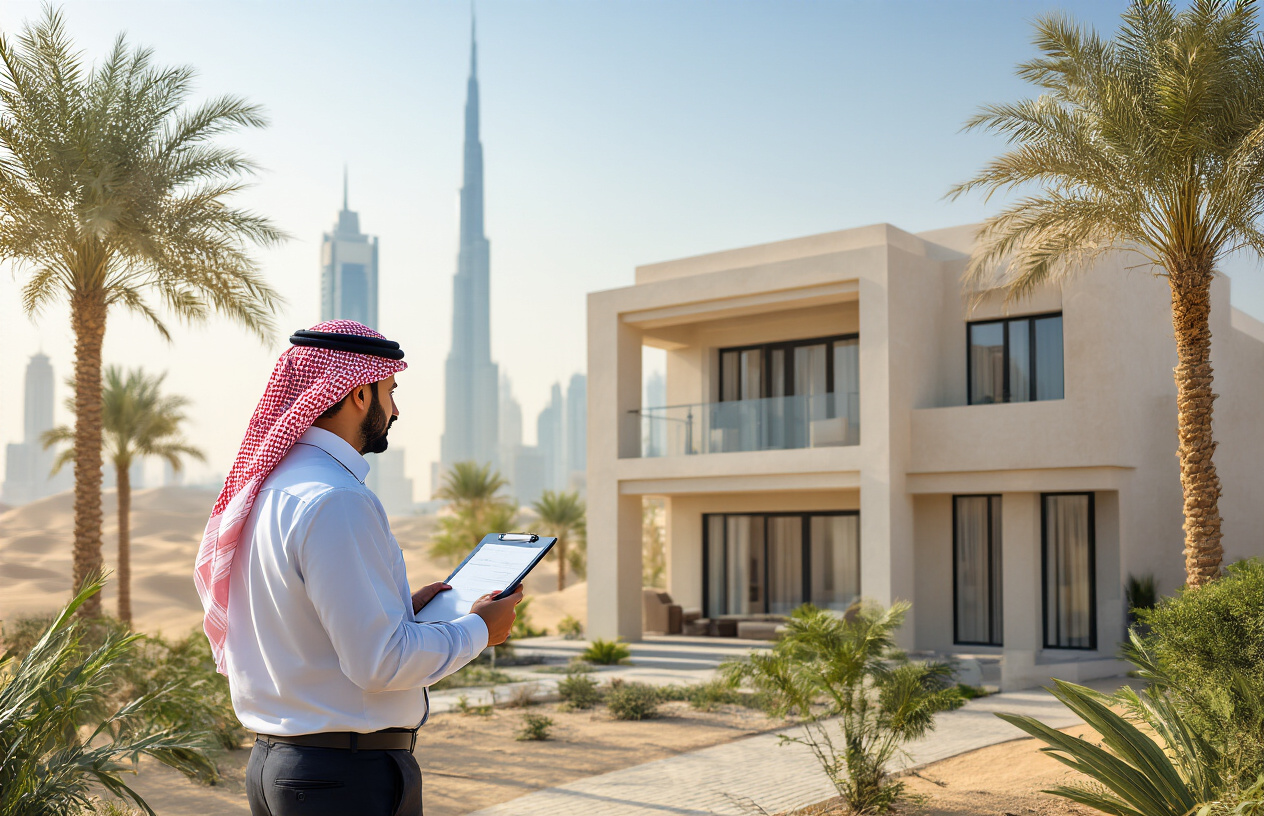
Abu Dhabi’s real estate market operates under strict regulatory frameworks that define clear responsibilities for both buyers and sellers regarding property inspections. The Abu Dhabi Global Market (ADGM) and the Department of Municipalities and Transport (DMT) have established comprehensive guidelines that make property assessments not just recommended practices, but legal requirements in many situations.
Property sellers must provide accurate disclosure statements about the condition of their properties, including any known structural issues, maintenance problems, or regulatory violations. This legal obligation extends beyond simple honesty—sellers who fail to disclose known defects can face significant legal consequences, including contract nullification and financial penalties. The Real Estate Regulatory Agency (RERA) enforces these disclosure requirements and maintains detailed records of all property transactions.
Buyers have their own set of legal obligations, primarily centered around due diligence. While the law doesn’t explicitly require buyers to conduct inspections, skipping a property inspection can void certain legal protections and remedies available under Abu Dhabi’s consumer protection laws. When buyers choose to forego professional assessments, they essentially accept the property “as-is,” which can eliminate their ability to seek compensation for undiscovered issues later.
The Unified Civil Code of the UAE provides specific provisions for property transactions, emphasizing the concept of “caveat emptor” or “buyer beware.” This legal principle places the burden of investigation on the purchaser, making property inspections a critical component of any real estate transaction. Courts in Abu Dhabi have consistently upheld this principle, often ruling against buyers who failed to conduct proper due diligence through professional inspections.
Commercial property transactions face even stricter requirements. The Abu Dhabi Commercial Code mandates detailed technical assessments for properties valued above AED 5 million, with specific timelines for completion and reporting. These regulations recognize that commercial properties often involve more complex systems and higher financial stakes, making comprehensive inspections essential for protecting all parties involved.
Abu Dhabi Municipality’s Inspection Standards and Regulations
The Abu Dhabi Municipality has developed sophisticated inspection standards that reflect the emirate’s commitment to maintaining world-class real estate infrastructure. These standards cover everything from basic safety requirements to advanced sustainability measures, creating a comprehensive framework for property assessment.
Building safety codes form the foundation of municipal inspection requirements. The Abu Dhabi Building Code (ADBC) establishes minimum standards for structural integrity, fire safety systems, electrical installations, and plumbing infrastructure. Properties must meet these standards not only at the time of construction but throughout their operational life. Regular compliance inspections help identify when properties fall below acceptable standards, triggering mandatory remediation requirements.
Environmental regulations have become increasingly important in Abu Dhabi’s inspection protocols. The municipality now requires assessments of energy efficiency, water conservation systems, and indoor air quality for both residential and commercial properties. These environmental inspections often reveal hidden costs associated with outdated systems that consume excessive resources or fail to meet current sustainability standards.
The municipality maintains certified inspector databases, ensuring that only qualified professionals can conduct official property assessments. These inspectors must complete ongoing education requirements and maintain professional insurance, providing additional protection for property buyers and sellers. The certification process includes specialized training in Abu Dhabi’s unique climate conditions, which can significantly impact building materials and systems.
Digital reporting systems now streamline the inspection process while maintaining comprehensive records. The municipality’s online platform allows real-time tracking of inspection schedules, results, and follow-up requirements. This digital infrastructure reduces processing times and provides transparent access to inspection histories for all stakeholders in property transactions.
Quality assurance programs regularly audit inspection practices to maintain consistent standards across all certified professionals. These programs include random re-inspections of completed assessments and ongoing performance monitoring of individual inspectors. The municipality takes these quality measures seriously, as substandard inspections can lead to significant public safety risks and economic consequences.
Different Types of Property Inspections Available
Abu Dhabi’s real estate market offers various inspection types, each designed to address specific aspects of property condition and compliance. Understanding these different options helps property buyers and sellers choose the most appropriate assessment for their particular situation.
Comprehensive Building Surveys represent the most thorough inspection option available. These assessments typically take 4-8 hours and examine every accessible aspect of a property, from foundation to roof. Certified surveyors evaluate structural elements, mechanical systems, electrical installations, plumbing, and cosmetic conditions. The resulting reports often exceed 50 pages and include detailed photographs, priority rankings for identified issues, and cost estimates for necessary repairs.
Structural Engineering Inspections focus specifically on the building’s load-bearing elements and overall structural integrity. These specialized assessments become particularly important for older properties or those showing signs of settlement, cracking, or other structural concerns. Licensed structural engineers use advanced equipment, including ground-penetrating radar and thermal imaging, to identify hidden problems that standard inspections might miss.
Mechanical, Electrical, and Plumbing (MEP) Inspections concentrate on the building’s core systems. Abu Dhabi’s extreme climate puts tremendous stress on HVAC systems, making these inspections particularly valuable. MEP specialists examine air conditioning performance, electrical safety compliance, water pressure and quality, and backup power systems. These inspections often reveal expensive repair needs that can significantly impact property values.
Environmental and Safety Assessments have gained prominence as awareness of indoor air quality and safety hazards has increased. These inspections test for mold, asbestos, lead paint, and other potential health risks. They also evaluate fire safety systems, emergency evacuation routes, and compliance with current safety codes. Environmental inspections can be especially important for properties built before modern safety standards were implemented.
Technology and Smart Systems Evaluations reflect Abu Dhabi’s position as a smart city leader. These specialized inspections assess integrated building management systems, security installations, telecommunications infrastructure, and smart home technologies. As properties increasingly incorporate advanced technologies, these inspections help buyers understand both the capabilities and potential maintenance requirements of complex systems.
Pre-Purchase Condition Assessments offer streamlined inspections designed specifically for property transactions. These assessments focus on issues that could affect purchase decisions or negotiation positions. While less comprehensive than building surveys, they provide essential information about major systems and structural elements within tighter timeframes demanded by real estate transactions.
Timeline Requirements for Completing Inspections
The timing of property inspections in Abu Dhabi follows specific regulatory requirements and industry best practices that protect all parties while maintaining transaction efficiency. Understanding these timeline requirements helps buyers and sellers plan effectively and avoid costly delays or complications.
Standard Transaction Timelines typically allow 7-14 days for comprehensive inspections after offer acceptance. This window provides sufficient time for scheduling certified inspectors, conducting thorough assessments, and reviewing detailed reports. However, the specific timeline often depends on property type, size, and complexity. Luxury villas or commercial properties may require extended inspection periods to accommodate specialized assessments.
Regulatory Compliance Deadlines vary depending on property type and transaction value. Municipal authorities require certain inspections to be completed within specific timeframes to maintain current compliance certificates. For example, fire safety inspections must be updated every 12 months for commercial properties, while residential properties typically require updates every 3-5 years. These regulatory timelines cannot be extended without formal approval processes.
Seasonal Considerations significantly impact inspection scheduling in Abu Dhabi. The extreme summer heat can affect some types of assessments, particularly those involving roof inspections or outdoor system evaluations. Many inspectors prefer conducting comprehensive assessments during cooler months (November through March) when working conditions allow for more thorough examinations. Property buyers should factor these seasonal preferences into their transaction timelines.
Rush Inspection Protocols exist for situations requiring accelerated assessments, though these typically come with premium pricing and may offer less comprehensive coverage. Emergency inspections can often be scheduled within 24-48 hours, but the quality and thoroughness may be compromised compared to standard timeline assessments. Rush inspections work best for preliminary evaluations rather than final purchase decisions.
Documentation and Reporting Timelines add additional days to the overall inspection process. Professional inspectors typically provide preliminary findings within 24 hours of completing field work, but comprehensive written reports often require 3-5 business days. These reports undergo internal quality reviews and may include consultations with specialized experts for complex issues.
Re-inspection Requirements may extend overall timelines when initial assessments reveal significant problems. Property sellers often need time to address identified issues before buyers can complete their due diligence. Re-inspections to verify completed repairs typically require additional 2-3 days, though complex repairs may need longer verification periods.
Integration with Financing Timelines requires careful coordination between inspection schedules and mortgage approval processes. Many lenders require inspection reports before finalizing loan approvals, while others allow conditional approvals pending satisfactory inspection results. Understanding lender requirements helps prevent delays that could jeopardize purchase agreements or result in penalty clauses.
The consequences of poor timeline management can be severe. Buyers who rush through inspection processes or skip critical assessments often discover expensive problems after purchase, when their legal recourse becomes limited. Similarly, sellers who fail to allow adequate inspection time may face deal cancellations or reduced offers when problems are discovered under pressure.
Professional real estate agents and transaction coordinators play crucial roles in managing inspection timelines effectively. They understand local market conditions, inspector availability, and regulatory requirements that can impact scheduling. Their expertise helps prevent timeline conflicts that could derail property transactions or force buyers into making uninformed decisions about significant investments.
Hidden Structural Problems That Cost Thousands Later
Foundation Issues and Settlement Problems
Abu Dhabi’s unique desert environment and extreme temperature variations create challenging conditions for building foundations. When buyers skip property inspections, they often miss critical foundation problems that can cost tens of thousands of dirhams to repair.
The region’s expansive clay soils undergo significant volume changes as moisture content fluctuates. During the scorching summer months, temperatures can soar above 45°C, causing soil to shrink and crack. When rare but intense rainfall occurs, the same soil expands rapidly, creating uneven pressure on foundation systems. This constant cycle of expansion and contraction puts tremendous stress on concrete foundations.
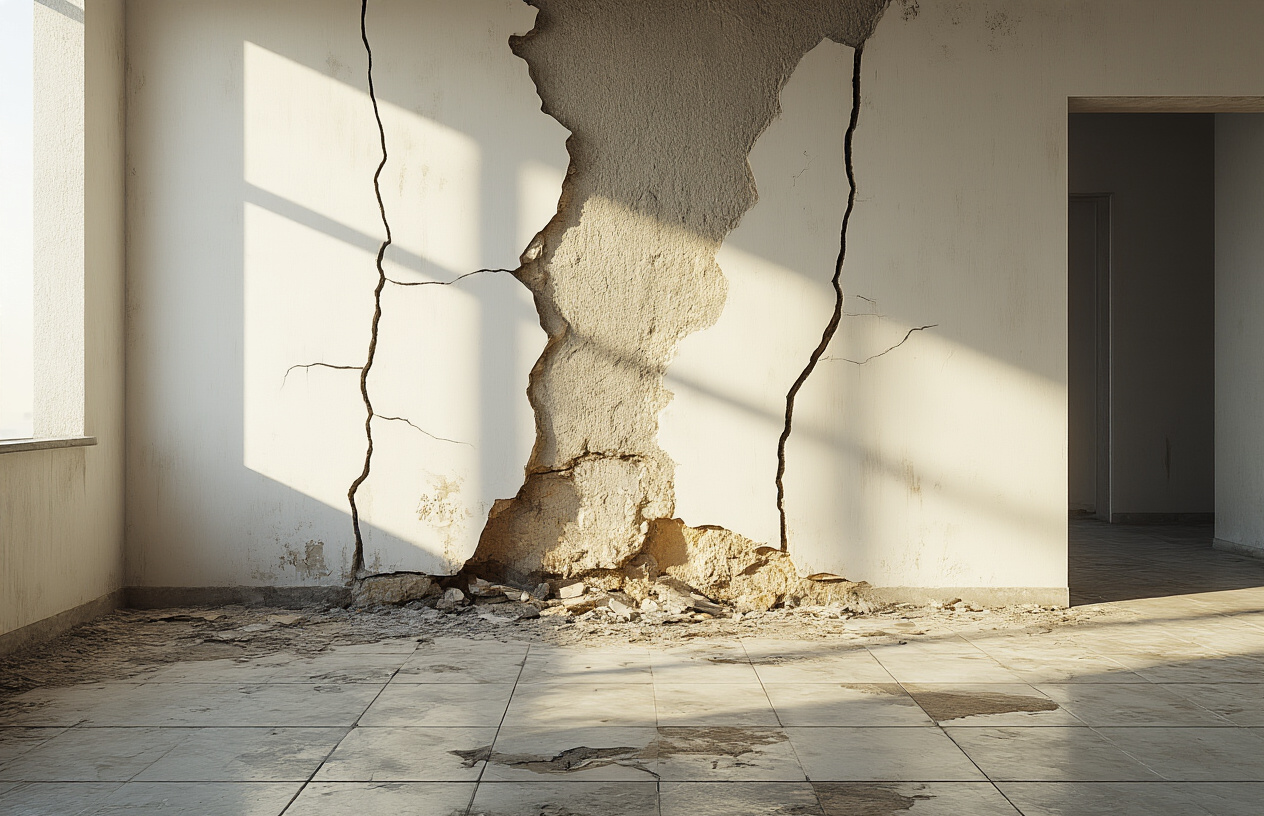
Professional inspectors look for specific warning signs that untrained buyers typically overlook. Hairline cracks in exterior walls might seem cosmetic, but they often indicate foundation movement. Doors that suddenly won’t close properly or windows that stick could signal settling issues. Uneven floors, gaps between walls and ceilings, or cracks in interior walls running at diagonal angles all point to potential foundation problems.
Settlement issues become particularly expensive when they affect load-bearing walls or compromise the structural integrity of multi-story buildings. Differential settlement, where one part of a building settles more than another, creates stress concentrations that can lead to catastrophic structural failure if left unchecked. Repair costs for major foundation problems in Abu Dhabi typically range from AED 50,000 to AED 200,000, depending on the severity and size of the affected area.
The extreme heat also accelerates concrete degradation through thermal expansion and contraction cycles. Over time, this process creates micro-fractures that allow moisture penetration, leading to reinforcement corrosion and further structural weakening. Properties built during Abu Dhabi’s rapid expansion phase in the 1990s and early 2000s are particularly susceptible to these issues.
Foundation problems become even more complex in high-rise buildings common throughout Abu Dhabi’s urban landscape. Deep foundation systems using piles or caissons require specialized expertise to evaluate properly. Surface-level inspections cannot reveal issues with pile integrity or bearing capacity that might only become apparent through engineering analysis.
Electrical System Defects and Safety Hazards
Electrical systems in Abu Dhabi properties face unique challenges due to extreme heat, humidity fluctuations, and dust infiltration. Skipping professional electrical assessments during property inspection can expose buyers to serious safety risks and expensive retrofit costs.
The intense desert climate causes electrical components to age prematurely. Wiring insulation becomes brittle under constant high temperatures, while dust accumulation creates fire hazards in electrical panels and junction boxes. Many properties built during Abu Dhabi’s construction boom used electrical materials that weren’t fully adapted to the harsh local environment.
Circuit overloading represents a common but dangerous problem that property inspections reveal. As residents add air conditioning units, kitchen appliances, and electronic devices, electrical systems originally designed for lighter loads become stressed. Overloaded circuits generate excess heat, degrading wire insulation and increasing fire risk. Professional inspectors use thermal imaging cameras to identify hot spots in electrical panels that indicate dangerous overloading conditions.
Grounding system failures pose particular risks in Abu Dhabi’s environment. Salt air from the Arabian Gulf accelerates corrosion of grounding electrodes and connections. Poor grounding increases the risk of electrical shock and can cause sensitive electronic equipment to malfunction or fail permanently. Ground fault circuit interrupter (GFCI) protection, essential for bathrooms and outdoor areas, often becomes compromised over time without regular inspection and testing.
Electrical panel problems frequently go unnoticed by casual buyers but can cost significant money to address. Outdated panels using obsolete circuit breakers create safety hazards and insurance complications. Some older buildings still use fuse boxes that don’t meet current safety standards and cannot handle modern electrical loads. Panel replacement costs typically range from AED 8,000 to AED 25,000, depending on the system size and complexity.
Wiring defects hidden behind walls become expensive problems when they cause equipment damage or create fire hazards. Aluminum wiring, once common in some construction projects, expands and contracts differently than copper connections, creating loose connections that generate dangerous heat. Knob-and-tube wiring in older properties cannot safely handle modern electrical demands and poses serious fire risks.
Emergency electrical repairs often cost three to four times more than planned upgrades identified during inspections. When electrical systems fail unexpectedly, property owners face urgent repair situations with limited contractor availability and premium pricing. Emergency service calls in Abu Dhabi typically start at AED 500-800 before any actual repair work begins.
Plumbing Leaks and Water Damage Concerns
Water damage represents one of the most expensive consequences of skipping property inspections in Abu Dhabi. The combination of aging infrastructure, extreme temperature variations, and hard water conditions creates numerous opportunities for plumbing failures that can cause devastating damage.
Hidden water leaks behind walls and under floors often go undetected for months or years, causing structural damage, mold growth, and expensive repairs. Professional plumbing inspections use moisture meters, thermal imaging, and pressure testing to identify problem areas before they cause major damage. Without these specialized tools, buyers might purchase properties with active leaks that will soon require extensive remediation.
Abu Dhabi’s extremely hard water, with high mineral content from desalination processes, accelerates pipe corrosion and fixture degradation. Calcium and magnesium deposits build up inside pipes, reducing water flow and increasing pressure on joints and fittings. Over time, these deposits can cause complete pipe blockages that require expensive replacement of entire plumbing runs.
Galvanized steel pipes, common in older Abu Dhabi properties, have limited lifespans in the local water conditions. These pipes typically require replacement after 15-20 years, but the timeline accelerates due to the aggressive local water chemistry. When galvanized pipes fail, they often cause sudden flooding that damages flooring, walls, and personal belongings. Complete galvanized pipe replacement in a typical villa can cost AED 30,000 to AED 60,000.
Water heater failures create particularly expensive emergency situations. The combination of hard water and high usage patterns reduces water heater lifespans significantly. When units fail catastrophically, they can release 150-300 liters of water into living spaces, causing immediate damage to floors, walls, and furnishings. Water damage restoration, including structural drying, mold remediation, and material replacement, often exceeds AED 20,000 for major incidents.
Slab leaks, where pipes embedded in concrete foundations develop leaks, represent especially costly problems. These leaks can undermine foundation stability while causing continuous water damage. Detection requires specialized equipment, and repairs often involve breaking through concrete floors and walls. Slab leak repairs typically cost AED 15,000 to AED 40,000, depending on the location and extent of damage.
Bathroom and kitchen plumbing systems face additional stress from high usage and exposure to cleaning chemicals. Tile grout failures allow water penetration behind shower and bathtub areas, leading to hidden structural damage. Poor waterproofing during original construction becomes apparent only when significant damage has already occurred.
HVAC System Malfunctions and Efficiency Problems
Air conditioning systems work harder in Abu Dhabi than almost anywhere else in the world, with many units running continuously from April through October. Without proper inspection, buyers often inherit HVAC systems on the verge of expensive failures or units that consume excessive energy due to poor maintenance or design flaws.
Refrigerant leaks represent common but costly problems that professional inspections identify before they cause complete system failures. When refrigerant levels drop, compressors work harder and eventually burn out, requiring replacement of the most expensive HVAC component. A single compressor replacement can cost AED 8,000 to AED 15,000, while complete system replacement ranges from AED 25,000 to AED 50,000 for residential properties.
Ductwork problems significantly impact system efficiency and indoor air quality. Poorly sealed or damaged ducts allow conditioned air to escape into wall cavities or ceiling spaces, forcing systems to work harder to maintain comfortable temperatures. Dust infiltration through damaged ducts reduces indoor air quality and accelerates equipment wear. Duct repairs or replacement can cost AED 12,000 to AED 30,000 for comprehensive renovation.
Electrical component failures in HVAC systems often cascade into larger problems when not addressed promptly. Capacitors, contactors, and control boards frequently fail under the stress of continuous operation in extreme heat. While individual component replacements might cost only a few hundred dirhams, delayed repairs can cause compressor damage that requires thousands of dirhams in additional work.
Central air conditioning systems serving multiple zones require sophisticated control systems that can develop expensive problems over time. Zone dampers, thermostats, and building automation systems need regular maintenance and calibration to function properly. When these systems malfunction, energy consumption increases dramatically while comfort decreases, leading to both higher utility bills and reduced property value.
Energy efficiency degradation affects operating costs significantly over time. A well-maintained HVAC system might consume 30-40% less energy than a neglected one providing the same cooling capacity. In Abu Dhabi’s climate, where cooling costs can exceed AED 2,000 per month for larger properties, efficiency problems add thousands of dirhams annually to operating expenses.
Preventive maintenance contracts become essential for HVAC longevity in Abu Dhabi’s harsh environment, but many property sellers discontinue service agreements before listing their homes. Buyers who skip inspections miss opportunities to understand the true maintenance requirements and associated costs. Professional maintenance contracts typically cost AED 2,000 to AED 5,000 annually but can prevent repair bills exceeding AED 20,000 when major components fail.
Indoor air quality issues related to HVAC systems pose health risks and require expensive remediation. Mold growth in ductwork or air handling units creates respiratory hazards and requires professional cleaning services costing AED 5,000 to AED 15,000. Inadequate ventilation systems can cause humidity problems that damage furnishings and create uncomfortable living conditions year-round.
Financial Consequences of Skipping Professional Property Assessment

Unexpected repair costs after purchase
Buying property without professional inspection opens the door to massive repair bills that can drain your savings faster than you ever imagined. When you skip this critical step, you’re essentially playing Russian roulette with your finances, and the house almost always wins.
The most devastating surprise costs typically emerge within the first year of ownership. Electrical systems that looked fine during your walkthrough suddenly start tripping breakers or, worse, create fire hazards that require complete rewiring. A typical home rewiring project in Abu Dhabi ranges from AED 15,000 to AED 40,000, depending on the property size and complexity of the electrical layout.
Plumbing disasters rank among the costliest surprises for new property owners. What appears as a minor leak during your initial viewing can signal corroded pipes throughout the building. Water damage spreads quickly in Abu Dhabi’s climate, creating perfect conditions for mold growth and structural deterioration. Complete pipe replacement often costs between AED 20,000 to AED 60,000, while addressing water damage can add another AED 10,000 to AED 30,000 to your bill.
Air conditioning systems deserve special attention in Abu Dhabi’s extreme heat. A failing HVAC system isn’t just inconvenient – it’s unbearable. Central air conditioning replacement can cost anywhere from AED 25,000 to AED 80,000 for larger properties. Many buyers discover their “working” AC units are actually running on borrowed time, with compressors ready to fail or ductwork that’s been patched so many times it barely functions.
Foundation issues represent the ultimate nightmare scenario. Hairline cracks that seem cosmetic often indicate serious structural problems. Foundation repairs in Abu Dhabi’s sandy soil conditions can cost between AED 50,000 to AED 200,000, depending on the severity and required intervention methods. These problems don’t announce themselves during casual property tours but become glaringly obvious once you’re living with sloping floors and doors that won’t close properly.
Roof problems create another category of expensive surprises. Abu Dhabi’s intense sun and occasional severe weather take a toll on roofing materials. What looks like minor discoloration from ground level might be extensive damage requiring partial or complete roof replacement. Professional roof restoration typically costs AED 30,000 to AED 100,000, while emergency repairs during the hot season often come with premium pricing.
The timing of these discoveries makes them particularly painful financially. Most buyers have already stretched their budgets to complete the purchase, leaving little room for major unexpected expenses. Credit becomes your only option, adding interest charges to already substantial repair costs.
Professional property inspectors catch these issues before they become your problem. Their trained eyes spot warning signs that casual observers miss completely. The AED 2,000 to AED 5,000 cost of comprehensive property inspection becomes insignificant compared to avoiding even one major repair disaster.
Reduced property value and resale potential
Skipping property inspection doesn’t just hurt your wallet immediately – it creates long-term financial damage that compounds over time. Properties with undiscovered problems lose value faster than properly maintained ones, and this depreciation becomes painfully apparent when you try to sell.
Hidden defects create a domino effect on property values. Buyers’ inspectors will eventually discover what you missed, but by then, you’re the seller facing reduced offers or complete deal cancellations. A property that seemed like a bargain because you skipped inspection suddenly becomes a liability that’s difficult to move.
Market perception plays a huge role in property values. Once word spreads in Abu Dhabi’s relatively small real estate community that a property has significant issues, it gains a reputation that sticks. Real estate agents remember problem properties, and this institutional memory affects future marketing efforts and buyer interest.
The disclosure dilemma creates additional complications. If you discover major problems after purchase, you face an ethical and legal obligation to disclose these issues to potential buyers. Honest disclosure often means accepting significantly lower offers, while failing to disclose can lead to legal action and even more severe financial consequences.
Repair quality becomes another factor affecting resale value. Emergency repairs done after problems become critical rarely match the quality of preventive maintenance. Rushed fixes often look exactly like what they are – Band-Aid solutions that sophisticated buyers recognize immediately. These quick fixes raise red flags about what other problems might be lurking.
Insurance claims history follows properties in Abu Dhabi’s database systems. Multiple claims for preventable issues create a paper trail that affects future insurability and premiums. Properties with extensive claims history become harder to insure and more expensive to maintain, directly impacting their market appeal.
Renovation costs escalate when you’re working around existing problems. Simple upgrades become complex projects when contractors discover underlying issues that must be addressed first. A bathroom renovation that should cost AED 15,000 suddenly requires AED 30,000 when hidden water damage and electrical problems emerge during construction.
The time factor affects resale potential significantly. Properties that require immediate repairs after purchase often sit on the market longer when you decide to sell. Extended listing periods create the impression that something is wrong with the property, leading to lower offers even after repairs are completed.
Location-specific factors in Abu Dhabi amplify these effects. The emirate’s rapid development means newer properties compete directly with older ones that might have hidden maintenance issues. Buyers have many options, making them particularly selective about properties with known or suspected problems.
Investment properties suffer even more severe value impacts. Rental income drops when tenants leave due to maintenance issues, while extended vacancy periods compound the financial damage. Repair costs come directly out of rental income, reducing the property’s return on investment and making it less attractive to future investors.
Insurance claim complications and coverage issues
Insurance companies build their business model around risk assessment, and properties with undiscovered problems represent exactly the kind of risk they work hardest to avoid. When you skip professional inspection, you unknowingly inherit not just the property’s problems but also the insurance complications that come with them.
Pre-existing condition clauses create the most immediate insurance challenges. Insurance policies typically exclude coverage for problems that existed before your policy began, even if you weren’t aware of them. That leaking pipe that seemed minor during purchase becomes a major headache when your insurer denies coverage for resulting water damage, claiming the leak predated your policy.
Documentation becomes your biggest enemy in insurance disputes. Insurance companies investigate claims thoroughly, often uncovering evidence that problems existed before coverage began. Photos from previous listings, maintenance records, or even neighbor testimonies can be used to establish that issues preceded your ownership and policy coverage.
Premium adjustments follow claim patterns. Properties with multiple claims, especially those involving preventable maintenance issues, face higher insurance costs going forward. What starts as skipped inspection savings quickly becomes increased insurance expenses that compound annually.
Coverage gaps become apparent only after problems emerge. Standard homeowner policies contain numerous exclusions that property inspections typically identify. Flood damage in areas prone to water accumulation, electrical fires from outdated wiring, or structural damage from foundation issues might not be covered under basic policies.
The claims investigation process becomes more invasive and lengthy when insurance companies suspect pre-existing conditions. Adjusters conduct thorough examinations, often bringing in their own contractors and engineers to determine when problems began. These investigations can take months while you’re dealing with ongoing damage and repair costs.
Fraudulent misrepresentation accusations represent the nuclear option insurance companies use against policyholders. If investigators believe you knew about problems when purchasing coverage, they can void your entire policy and potentially pursue legal action. Professional property inspection reports provide crucial documentation proving your due diligence and good faith.
Multiple claim scenarios create cascading insurance problems. One undiscovered issue often reveals others – water damage from a hidden leak might expose electrical problems and mold issues. Each additional claim strengthens the insurance company’s position that these are pre-existing conditions you should have discovered before purchase.
Specialty coverage requirements often surprise property owners dealing with unique problems. Mold remediation, foundation repair, or historical building restoration might require specialized insurance products that cost significantly more than standard coverage. These additional policies become necessary expenses you didn’t budget for during purchase.
Policy renewal complications arise when your claims history becomes problematic. Insurance companies regularly review customer profiles and can choose not to renew policies for properties they consider high-risk. Finding replacement coverage after being dropped becomes expensive and difficult, with new insurers charging premium rates for properties with poor claims history.
The legal implications extend beyond insurance coverage. If undiscovered problems cause damage to neighboring properties, your liability insurance might not cover claims if the underlying cause is deemed a pre-existing condition. These liability exposures can result in personal financial responsibility for damages that insurance would have covered if problems had been properly identified and disclosed.
Preventive inspection serves as insurance for your insurance. Professional inspection reports document the property’s condition at purchase, providing evidence that you acted responsibly and weren’t aware of hidden problems. This documentation becomes invaluable when dealing with insurance companies and can mean the difference between coverage approval and denial.
The cost-benefit analysis clearly favors professional inspection. The few thousand dirhams spent on comprehensive property assessment can save tens of thousands in denied insurance claims, increased premiums, and legal complications. Smart property buyers understand that skipping inspection isn’t saving money – it’s gambling with their financial future.
Legal Liabilities and Regulatory Compliance Risks

Building Code Violations and Penalty Fees
Property owners in Abu Dhabi face serious financial consequences when building code violations go undetected before purchase. The Abu Dhabi Municipality enforces strict building standards through regular inspections and compliance checks, making undetected violations a costly surprise for new property owners.
Skipping a property inspection means missing critical building code issues that could result in substantial penalty fees. These violations often include improper electrical installations, inadequate fire safety systems, unauthorized structural modifications, and non-compliant plumbing systems. The penalties for such violations can range from AED 10,000 to AED 500,000 depending on the severity and potential safety risks.
Common building code violations found in Abu Dhabi properties include:
- Electrical system non-compliance: Outdated wiring, improper grounding, and insufficient electrical capacity
- Fire safety violations: Missing or inadequate fire exits, non-functional sprinkler systems, blocked emergency routes
- Structural modifications: Unauthorized wall removals, balcony extensions, or room additions without proper permits
- HVAC system violations: Improper ventilation, non-compliant ductwork, or inadequate cooling capacity
- Accessibility issues: Missing ramps, improper door widths, or non-compliant bathroom facilities
The Abu Dhabi Municipality’s Building Management System requires all properties to maintain current compliance certificates. When violations are discovered, property owners receive immediate notice to rectify issues within specified timeframes. Failure to comply results in escalating penalties and potential legal action.
| Violation Type | Initial Penalty (AED) | Maximum Penalty (AED) | Typical Resolution Cost (AED) |
|---|---|---|---|
| Electrical Non-compliance | 25,000 | 100,000 | 15,000 – 75,000 |
| Fire Safety Violations | 50,000 | 200,000 | 30,000 – 150,000 |
| Structural Modifications | 75,000 | 500,000 | 50,000 – 300,000 |
| HVAC Violations | 15,000 | 75,000 | 20,000 – 60,000 |
| Accessibility Issues | 20,000 | 100,000 | 25,000 – 80,000 |
Beyond immediate penalties, ongoing violation fees accumulate daily until compliance is achieved. These daily fines typically range from AED 500 to AED 2,000, creating mounting financial pressure on property owners who discover violations after purchase.
The regulatory framework in Abu Dhabi requires property owners to obtain correction permits for any remedial work, adding administrative costs and time delays to the resolution process. Professional engineers must certify all correction work, and multiple inspections may be required before compliance approval is granted.
Safety Non-Compliance and Liability Exposure
Safety violations in residential and commercial properties create significant liability exposure for property owners in Abu Dhabi. When accidents occur due to undetected safety issues, owners face potential civil lawsuits, criminal charges, and substantial compensation claims.
The UAE’s strict liability laws hold property owners responsible for maintaining safe conditions for residents, visitors, and service personnel. Skipping a property inspection means accepting unknown safety risks that could result in serious injuries or fatalities, triggering legal consequences that extend far beyond financial penalties.
Critical safety areas that require professional inspection include:
Fire Safety Systems
- Smoke detection and alarm systems
- Fire suppression equipment and sprinkler systems
- Emergency lighting and exit signage
- Fire-resistant doors and barriers
- Evacuation route accessibility
Structural Safety
- Load-bearing wall integrity
- Foundation stability and settlement issues
- Balcony and stairway structural soundness
- Roof and ceiling support systems
- Window and door frame security
Electrical Safety
- Ground fault circuit interrupters in wet areas
- Proper circuit loading and breaker sizing
- Arc fault protection systems
- Emergency power systems
- Lightning protection compliance
Environmental Safety
- Indoor air quality and ventilation adequacy
- Water quality and plumbing safety
- Mold and moisture control systems
- Toxic material presence (asbestos, lead)
- Pest control and sanitation standards
Property owners face personal liability for accidents resulting from safety violations, even if they were unaware of the issues. UAE courts have consistently ruled that ignorance of safety problems does not absolve owners of responsibility, particularly when professional inspections could have identified the hazards.
Insurance companies regularly deny claims when safety violations contributed to accidents, leaving property owners personally responsible for medical expenses, property damage, and compensation payments. These costs can easily exceed AED 1 million for serious accidents involving multiple parties or permanent disabilities.
The Dubai Court of Cassation established precedent in recent rulings that property owners who fail to conduct reasonable due diligence, including professional inspections, bear enhanced liability for resulting accidents. This legal standard has been adopted throughout the UAE, including Abu Dhabi’s judicial system.
Criminal liability may also apply when safety negligence results in serious injury or death. Property owners can face imprisonment and substantial fines under UAE criminal law, particularly when willful negligence or reckless disregard for safety is demonstrated.
Documentation Requirements for Property Transfers
Abu Dhabi’s real estate regulatory framework mandates comprehensive documentation for all property transfers, with inspection reports serving as critical compliance documents. The Abu Dhabi Department of Municipalities and Transport requires specific technical documentation to validate property condition and regulatory compliance during ownership transfers.
Official property transfers must include:
Technical Compliance Certificates
- Building completion certificate
- Electrical safety compliance certificate
- Fire safety system certification
- Structural engineering approval
- Environmental health clearance
Property Condition Documentation
- Comprehensive inspection report
- Defect identification and remediation records
- Maintenance history documentation
- Warranty and guarantee certificates
- Professional assessment reports
Legal Compliance Verification
- Zoning compliance confirmation
- Building permit validation
- Occupancy permit verification
- Regulatory approval documentation
- Municipal clearance certificates
The absence of proper inspection documentation creates significant delays in property transfer processes and may result in transaction cancellation. Banks and financial institutions require comprehensive inspection reports before approving mortgage financing, making professional inspections essential for most property purchases.
Real estate lawyers in Abu Dhabi consistently advise clients that incomplete documentation, particularly missing inspection reports, creates legal vulnerabilities that can persist for years after property transfer. These documentation gaps can complicate future sales, refinancing, or legal proceedings related to the property.
The Abu Dhabi Real Estate Regulation Law requires sellers to provide accurate property condition disclosures backed by professional inspection reports. Failure to provide this documentation can result in contract nullification and potential fraud allegations, particularly if undisclosed defects are discovered after transfer.
Mortgage lenders maintain strict documentation requirements that include:
- Professional structural inspection reports
- Electrical and mechanical system assessments
- Environmental hazard evaluations
- Property valuation based on actual condition
- Compliance verification with local building codes
Missing documentation can result in loan denial, reduced financing amounts, or elevated interest rates that significantly impact purchase feasibility. International buyers face additional scrutiny regarding documentation completeness, making professional inspections particularly critical for foreign property investors.
Dispute Resolution Challenges Without Inspection Reports
Property disputes in Abu Dhabi’s legal system heavily rely on professional inspection reports as primary evidence for determining liability, damages, and resolution terms. Without comprehensive inspection documentation, property owners face significant disadvantages in legal proceedings and alternative dispute resolution processes.
The Abu Dhabi Judicial Department’s specialized real estate courts require technical evidence to support claims related to property defects, safety violations, or compliance issues. Professional inspection reports provide the objective, technical foundation necessary for successful legal arguments and favorable dispute resolution outcomes.
Common dispute scenarios where inspection reports prove crucial include:
Seller Disclosure Disputes
Property buyers frequently discover defects after purchase that sellers failed to disclose. Without pre-purchase inspection reports, buyers struggle to prove that defects existed at the time of sale rather than developing afterward. Courts require clear evidence of pre-existing conditions to hold sellers liable for undisclosed defects.
Contractor Performance Issues
Disputes with construction contractors, renovation specialists, or maintenance providers require technical evidence to establish performance standards and identify deviations from acceptable work quality. Inspection reports provide the baseline documentation necessary to pursue successful breach of contract claims.
Insurance Claim Disputes
Insurance companies regularly challenge property damage claims by arguing that damages resulted from pre-existing conditions or inadequate maintenance. Professional inspection reports establish property condition baselines that support valid insurance claims and counter insurer denial tactics.
Neighbor Disputes
Property boundary issues, structural damage claims between adjacent properties, and shared facility disputes require technical documentation to establish causation and responsibility. Courts rely on professional assessments to determine liability in complex neighbor disagreements.
Landlord-Tenant Conflicts
Rental property disputes involving habitability issues, safety concerns, or property damage require objective technical evidence to determine responsibility and appropriate remedies. Inspection reports provide neutral assessment that courts accept as credible evidence.
The Alternative Dispute Resolution mechanisms in Abu Dhabi, including mediation and arbitration, similarly rely on technical documentation to facilitate fair resolution. Without inspection reports, parties struggle to present convincing arguments and often face extended dispute resolution timelines and unfavorable outcomes.
Legal costs for property disputes without adequate documentation typically exceed AED 150,000 for complex cases, as parties must engage multiple expert witnesses and technical consultants to establish basic facts that comprehensive inspection reports would have documented initially.
The UAE’s emphasis on alternative dispute resolution makes professional inspection reports even more valuable, as mediators and arbitrators seek objective technical evidence to guide settlement negotiations and binding decisions. Properties with comprehensive inspection documentation resolve disputes 60% faster and achieve more favorable outcomes compared to cases lacking professional technical assessment.
Expert witness costs alone can exceed AED 75,000 when technical testimony is required to establish property conditions that professional inspection reports would have documented at a fraction of the cost. These expenses compound when multiple technical disciplines require separate expert evaluation and court testimony.
Real Estate Investment Protection Through Thorough Inspections

Negotiating Power for Price Reductions
Professional property inspections in Abu Dhabi’s competitive real estate market provide investors with substantial leverage during price negotiations. When you discover structural defects, outdated systems, or maintenance issues through a comprehensive inspection, you gain concrete evidence to justify requesting price reductions from sellers.
The inspection report becomes your negotiation weapon, transforming subjective concerns into documented facts. A qualified inspector might uncover problems like faulty electrical wiring that could cost AED 25,000 to repair, or identify HVAC system inefficiencies requiring AED 15,000 in upgrades. These findings give you solid ground to negotiate the property price downward or request that sellers address these issues before closing.
Property sellers in Abu Dhabi often price their units assuming buyers won’t conduct thorough inspections. When you present detailed inspection findings, sellers face a choice: reduce the price to account for necessary repairs or risk losing the sale to buyers who might walk away. This dynamic consistently works in favor of prepared investors who invest in professional assessments.
Strategic Negotiation Approaches Based on Inspection Findings:
| Issue Type | Typical Cost Range (AED) | Negotiation Strategy |
|---|---|---|
| Plumbing Problems | 5,000 – 20,000 | Request immediate price reduction |
| Electrical Issues | 8,000 – 30,000 | Demand seller repairs or escrow funds |
| HVAC Deficiencies | 10,000 – 25,000 | Negotiate shared repair costs |
| Structural Concerns | 15,000 – 100,000+ | Consider walking away or major price adjustment |
Smart investors use inspection reports to create repair cost estimates that justify their negotiation positions. When you present a seller with a detailed breakdown showing that fixing identified problems will cost AED 40,000, requesting a AED 35,000 price reduction becomes reasonable and defensible.
The psychological impact of inspection findings cannot be underestimated. Sellers who believed their property was in excellent condition suddenly confront reality when presented with professional documentation of defects. This shift in perception often makes them more flexible on pricing and terms.
Timing plays a crucial role in negotiation success. Conducting inspections early in the purchase process gives you maximum negotiating power before emotional investment deepens and contractual obligations increase. Late-stage discoveries limit your options and reduce negotiation effectiveness.
Multiple inspection reports from different specialists strengthen your negotiating position even further. When structural engineers, electrical experts, and plumbing professionals all identify issues, sellers find it difficult to dispute the findings or resist reasonable price adjustment requests.
Informed Decision-Making for Long-Term Investments
Property inspections transform real estate investment from guesswork into data-driven decision-making. When you understand exactly what you’re purchasing, you can accurately calculate total ownership costs, plan maintenance schedules, and set realistic return expectations for your Abu Dhabi investment.
Comprehensive inspections reveal the true condition of building systems, structural elements, and components that affect long-term profitability. You discover how much life remains in the HVAC system, whether the roof needs replacement within five years, or if the electrical panel requires upgrading to meet current codes. This information directly impacts your investment timeline and budget planning.
Long-term Cost Planning Based on Inspection Findings:
- Year 1-2: Address immediate safety issues and critical repairs
- Year 3-5: Plan for moderate system upgrades and preventive maintenance
- Year 6-10: Budget for major component replacements identified during inspection
- Year 10+: Prepare for end-of-life replacements based on current system ages
Investment properties require different evaluation criteria than personal residences. Rental income potential depends heavily on property condition, tenant appeal, and ongoing maintenance costs. Inspection reports help you calculate accurate cash flow projections by identifying expenses that could impact profitability.
Smart investors use inspection data to create detailed 10-year maintenance and replacement schedules. When you know the air conditioning system has three years of useful life remaining, you can budget AED 20,000 for replacement and factor this cost into your investment analysis. Without this knowledge, unexpected system failures could devastate your cash flow projections.
Property condition directly affects tenant satisfaction and retention rates in Abu Dhabi’s rental market. Units with well-maintained systems, reliable utilities, and sound structural integrity command higher rents and experience lower vacancy rates. Inspection reports help you understand which properties will attract quality tenants and which might struggle with occupancy issues.
Insurance considerations also benefit from thorough inspection documentation. Properties with documented electrical, plumbing, and structural soundness often qualify for better insurance rates and coverage options. Insurance companies view professionally inspected properties as lower risk, potentially saving you thousands annually in premiums.
Market appreciation potential correlates strongly with property condition and maintenance history. Buildings with deferred maintenance or systemic problems often underperform market averages over time. Inspection reports help you identify properties positioned for strong appreciation versus those likely to lag behind market trends.
Portfolio diversification strategies should consider property condition alongside location and price factors. Mixing newer properties requiring minimal maintenance with older units needing renovation work can balance risk and return potential across your investment portfolio.
Peace of Mind and Confidence in Property Condition
Professional property inspections eliminate the anxiety and uncertainty that plague real estate transactions. When you receive a comprehensive assessment from qualified inspectors, you gain complete confidence in your understanding of the property’s condition, potential issues, and future maintenance requirements.
Buying property without inspection leaves you vulnerable to costly surprises that can emerge months or years after purchase. Water damage hidden behind walls, foundation settling, or electrical hazards pose both financial and safety risks. Professional inspections uncover these problems before they become your responsibility.
Sleep becomes easier when you know exactly what you own. Instead of worrying about unknown problems lurking in your new property, you can rest assured that qualified professionals have examined every accessible system and component. This peace of mind proves invaluable for both owner-occupants and investors.
Psychological Benefits of Professional Property Inspection:
- Reduced Buyer’s Remorse: Complete property knowledge prevents post-purchase regret
- Financial Confidence: Accurate cost projections eliminate budget surprises
- Safety Assurance: Identification of potential hazards protects occupants
- Investment Security: Documentation supports informed purchase decisions
- Legal Protection: Professional reports provide liability coverage
Family safety considerations make inspections particularly valuable for residential purchases. Electrical hazards, gas leaks, structural instability, or environmental concerns like asbestos could endanger occupants. Professional inspectors identify these risks before they threaten your family’s wellbeing.
Documentation from professional inspections provides legal protection if problems arise after purchase. When sellers fail to disclose known defects, inspection reports establish timelines and condition baselines that support potential legal claims. This protection proves invaluable if disputes emerge regarding property condition.
Insurance claims benefit from pre-purchase inspection documentation. When you can demonstrate that damage occurred after purchase rather than existing before closing, insurance companies process claims more favorably. Baseline condition reports protect you from coverage denials based on pre-existing damage claims.
Property management becomes significantly easier when you understand building systems and components thoroughly. Maintenance schedules, contractor relationships, and upgrade planning all benefit from detailed knowledge of property condition and system ages. This understanding reduces management stress and improves tenant satisfaction.
Resale confidence grows when you maintain comprehensive property documentation from purchase through ownership. Future buyers appreciate detailed maintenance records and condition assessments that demonstrate responsible ownership. This documentation can accelerate sales and support asking price justification.
Professional relationships with inspectors, contractors, and specialists develop naturally through the inspection process. These connections prove valuable throughout ownership for maintenance, repairs, and improvement projects. Building a network of trusted professionals starts with your initial property inspection.
The investment in professional inspection pays dividends in reduced stress, better decision-making, and enhanced property performance throughout your ownership experience. When you choose to skip this critical step, you sacrifice these benefits and expose yourself to unnecessary risks that could have been easily identified and addressed before purchase.

Skipping a property inspection in Abu Dhabi might save you a few hundred dirhams upfront, but it could easily cost you thousands down the road. Hidden structural issues, electrical problems, and plumbing defects don’t announce themselves until they become expensive emergencies. When you factor in Abu Dhabi’s specific regulatory requirements and the legal headaches that come with non-compliance, that “small” inspection fee starts looking like the bargain it really is.
Smart real estate investors know that a thorough property inspection isn’t an extra expense – it’s insurance for your investment. Before you sign on the dotted line, get a professional to examine every corner of that property. Your wallet will thank you later, and you’ll sleep better knowing exactly what you’re buying into. Don’t let a few saved dirhams turn into a financial nightmare that could have been easily avoided.