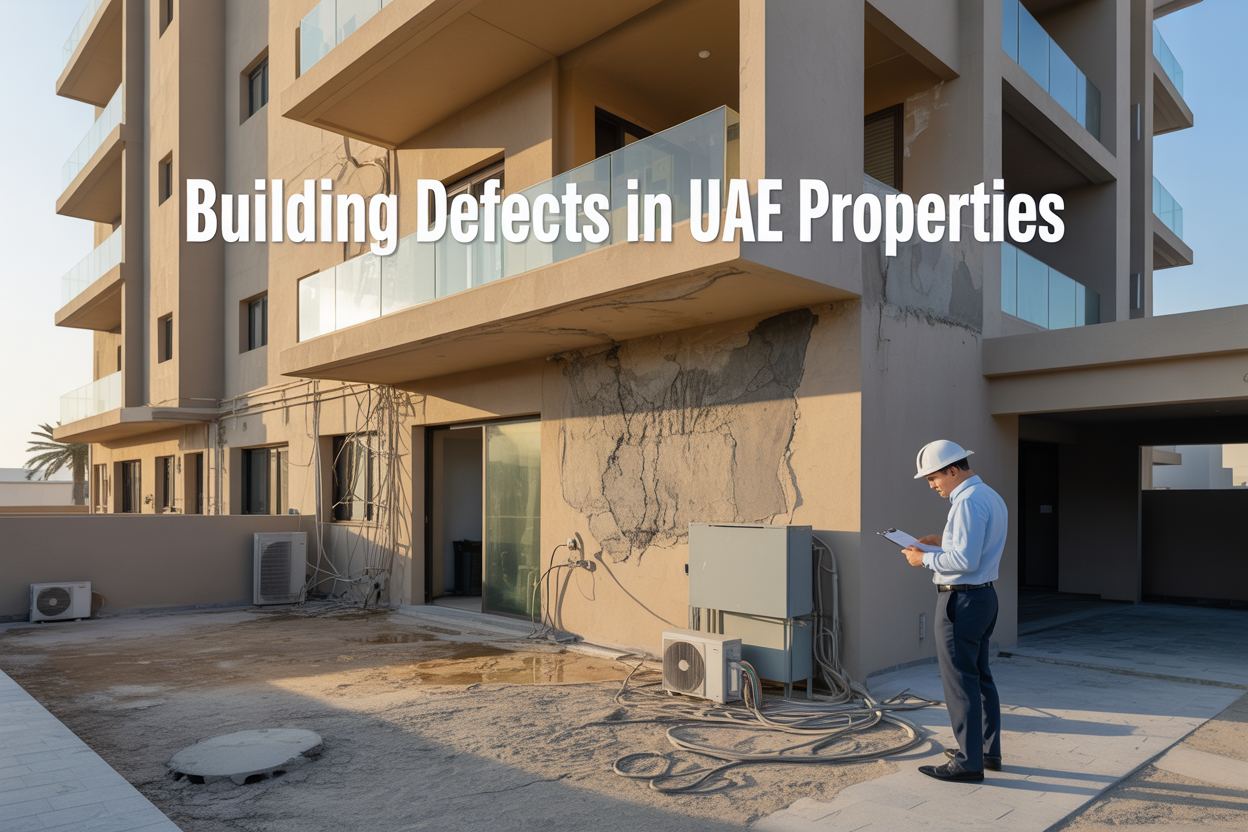
Property owners, investors, and tenants in the UAE face a growing challenge with building defects that can cost thousands of dirhams and create serious safety risks. From Dubai’s towering skyscrapers to Abu Dhabi’s residential complexes, building defects UAE properties experience range from minor maintenance issues to major structural problems that require immediate attention.
This guide is designed for property buyers, real estate investors, building managers, and residents who want to identify potential problems before they become expensive disasters. We’ll walk through the most common defects affecting UAE buildings and show you what warning signs to watch for.
You’ll discover how structural issues can compromise your building’s safety and put lives at risk. We’ll also cover water damage and moisture problems that plague many UAE properties due to the harsh climate and construction challenges. Finally, we’ll examine electrical system hazards that create fire risks and HVAC performance issues that drive up energy costs while failing to provide adequate comfort.
Structural Issues That Compromise Building Safety
Foundation Settlement and Cracking Problems
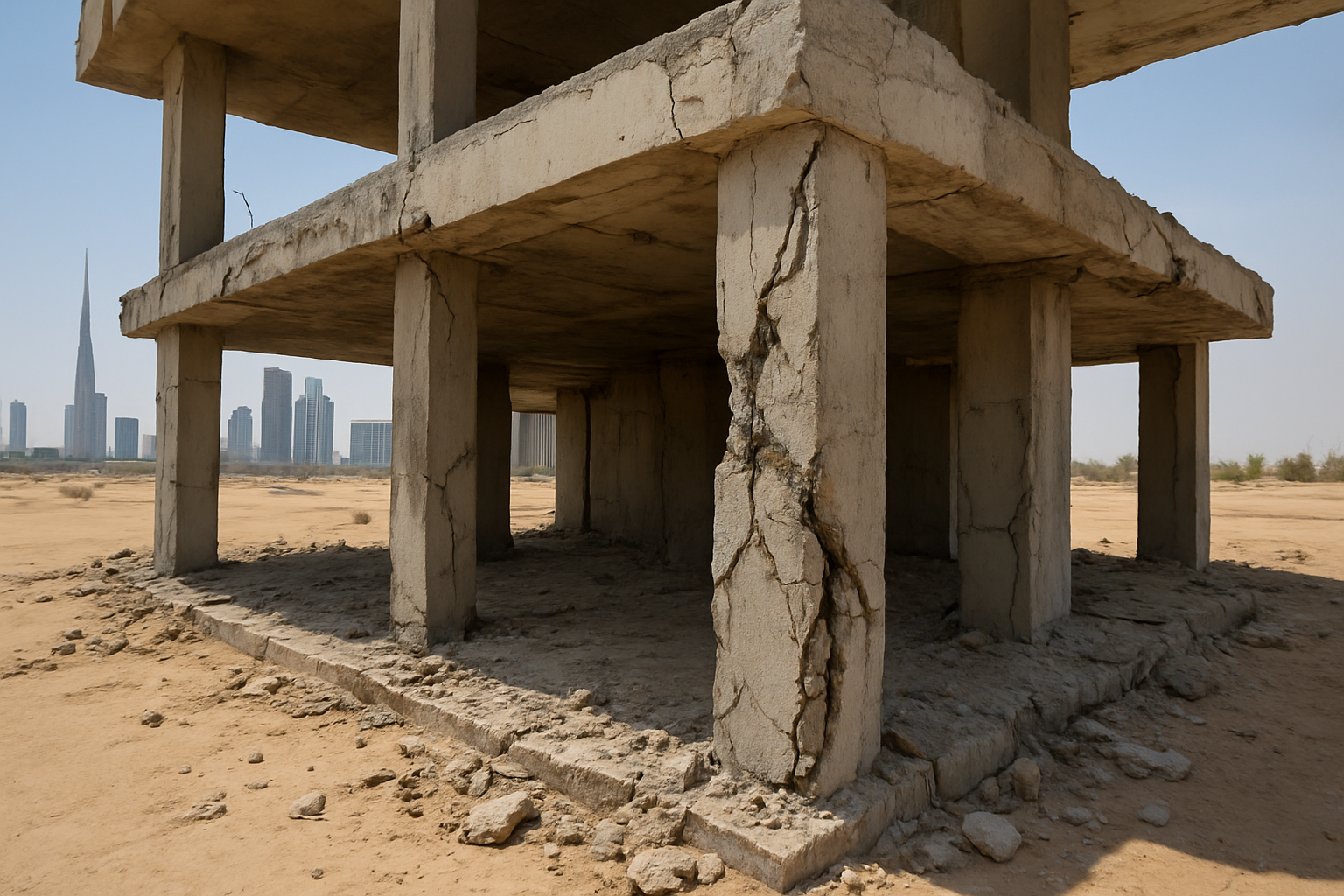
Foundation issues represent one of the most serious building defects UAE properties face, particularly in the challenging desert climate. The region’s expansive clay soils and extreme temperature fluctuations create perfect conditions for foundation movement and settlement. Property owners often notice the first warning signs as hairline cracks appearing along exterior walls or interior surfaces near foundation levels.
Differential settlement occurs when different parts of a building’s foundation move at varying rates, creating stress points that manifest as visible damage. You might spot diagonal cracks extending from window corners, doors that suddenly stick or won’t close properly, or gaps appearing between walls and ceilings. These symptoms indicate the foundation has shifted beyond acceptable tolerances.
The combination of inadequate soil preparation and Dubai’s rapid construction timeline contributes to many foundation problems. When builders skip proper soil compaction or fail to account for underground water table changes, buildings become vulnerable to long-term settlement issues that can cost hundreds of thousands of dirhams to repair.
Load-Bearing Wall Deterioration
Load-bearing walls form the backbone of any structure, yet they’re surprisingly vulnerable to deterioration in UAE’s harsh environment. Salt-laden air from coastal areas accelerates the breakdown of mortar joints, while repeated thermal expansion and contraction cycles stress masonry connections.
Common signs of load-bearing wall problems include:
- Horizontal cracks running along mortar joints
- Bulging or bowing wall sections
- Separation between walls and ceiling connections
- Crumbling mortar that falls away when touched
The situation becomes critical when residents unknowingly compromise these structural elements through renovations or modifications. Many property owners don’t realize they’ve damaged a load-bearing element until obvious structural symptoms appear.
Concrete Spalling and Reinforcement Corrosion
Concrete spalling ranks among the most widespread building defects UAE structures experience. The process begins when steel reinforcement bars embedded within concrete begin corroding due to moisture infiltration and chloride exposure from the marine environment. As steel rusts, it expands, creating internal pressure that causes concrete to crack and eventually break away in chunks.
You’ll recognize spalling by the characteristic concrete pieces that fall from building surfaces, exposing rusty steel reinforcement underneath. This deterioration typically starts in areas with poor concrete cover or where waterproofing has failed. Parking garages, balconies, and exterior walls face the highest risk due to direct weather exposure.
The repair process requires removing all loose concrete, treating corroded reinforcement, and applying specialized repair mortars. Left untreated, spalling accelerates rapidly and can compromise the structural integrity of entire building sections.
Improper Structural Modifications by Residents
Unauthorized structural modifications pose serious safety risks in residential and commercial properties throughout the UAE. Many residents unknowingly weaken their buildings by removing walls, creating openings, or adding loads without proper engineering assessment.
Popular but dangerous modifications include:
- Removing walls to create open-plan layouts
- Cutting openings for new doorways or windows
- Installing heavy fixtures without load calculations
- Adding mezzanine levels or room extensions
These changes can redirect structural loads in ways the original design never intended, potentially causing catastrophic failure. Professional structural engineers must evaluate any proposed modifications to ensure they won’t compromise building safety or violate local building codes.
Water Damage and Moisture-Related Defects
Leaking Pipes and Plumbing System Failures
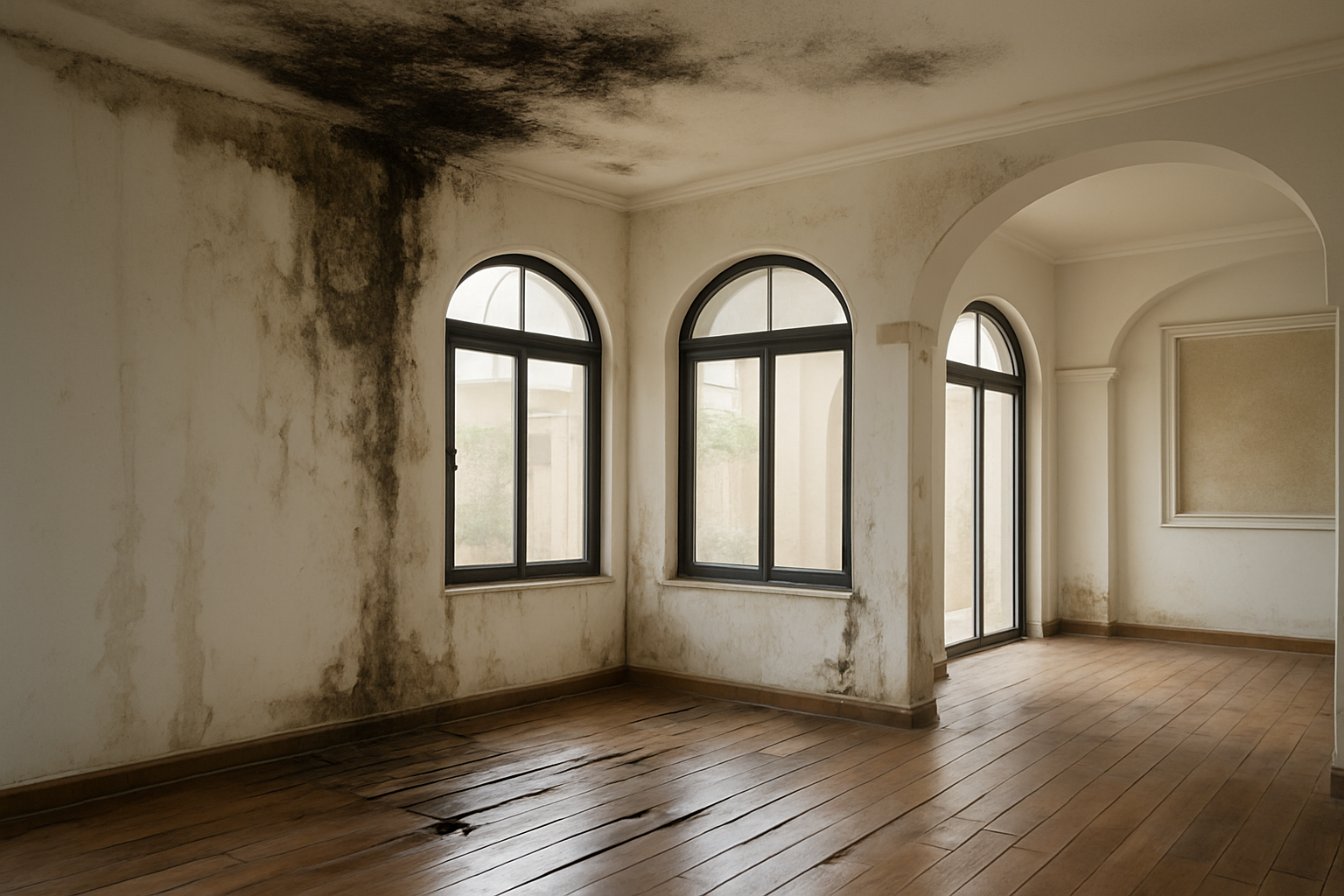
Plumbing failures rank among the most expensive building defects UAE property owners face. Corroded pipes, particularly in older buildings, create hidden water damage that spreads through walls and foundations before becoming visible. High mineral content in local water accelerates pipe deterioration, especially in copper and galvanized steel systems. Joint failures at pipe connections frequently occur due to thermal expansion and contraction caused by extreme temperature variations.
Hidden leaks behind walls and under concrete slabs pose the greatest threat. These silent destroyers can operate for months, weakening structural elements and creating perfect conditions for mold growth. Water pressure fluctuations in high-rise buildings stress plumbing connections, leading to premature failures. Poor installation practices, including inadequate pipe support and improper joint sealing, compound these issues.
Roof Waterproofing Membrane Breakdown
Dubai’s intense UV radiation and temperature extremes take a brutal toll on roof waterproofing systems. Membrane cracking occurs when materials expand and contract repeatedly, creating entry points for water infiltration. Bituminous membranes, commonly used in older constructions, become brittle and lose elasticity over time.
Ponding water on flat roofs accelerates membrane deterioration. Inadequate drainage design leaves standing water that penetrates through microscopic cracks and eventually compromises the entire system. Poor workmanship during installation, including insufficient overlap and improper sealing around penetrations, creates immediate vulnerability points. Wind uplift during sandstorms can also damage improperly secured membrane edges.
Bathroom and Kitchen Water Seepage
Wet areas require meticulous waterproofing, yet these spaces frequently develop serious seepage problems. Shower enclosures with failing grout and sealant allow water to penetrate behind tiles, damaging wall structures and creating health hazards. Kitchen sink areas suffer from similar issues when waterproofing beneath countertops fails.
Poor tile installation without proper waterproof membranes creates long-term moisture problems. Water travels through porous substrates, appearing in adjacent rooms or floors below. Inadequate slope in shower floors prevents proper drainage, causing water to pool and find alternative escape routes through wall penetrations.
Swimming Pool and Water Feature Leakage
Pool structures face constant hydrostatic pressure that tests waterproofing systems continuously. Structural movement due to soil settlement creates cracks in pool shells, allowing thousands of liters to leak daily. These leaks often go undetected until surrounding landscaping shows signs of oversaturation or utility bills spike dramatically.
Decorative water features present unique challenges with complex piping systems and multiple connection points. Pump vibrations loosen fittings over time, while chemical treatments in water features can degrade sealing materials. Equipment room flooding from pool system failures can damage expensive mechanical equipment and electrical systems.
Poor Drainage Systems Causing Water Accumulation
Inadequate drainage design creates cascading problems throughout buildings. Blocked or undersized roof drains cause water overflow during heavy rains, overwhelming secondary drainage systems. Exterior grading that slopes toward buildings instead of away channels rainwater directly against foundations.
Basement and below-grade parking areas suffer most from poor drainage planning. Without adequate waterproofing and drainage systems, these areas flood during seasonal rains, causing extensive damage to vehicles, storage areas, and mechanical equipment. Elevator pits frequently flood due to inadequate sump pump systems or blocked drainage connections.
Electrical System Hazards and Malfunctions
Outdated Wiring Creating Fire Risks
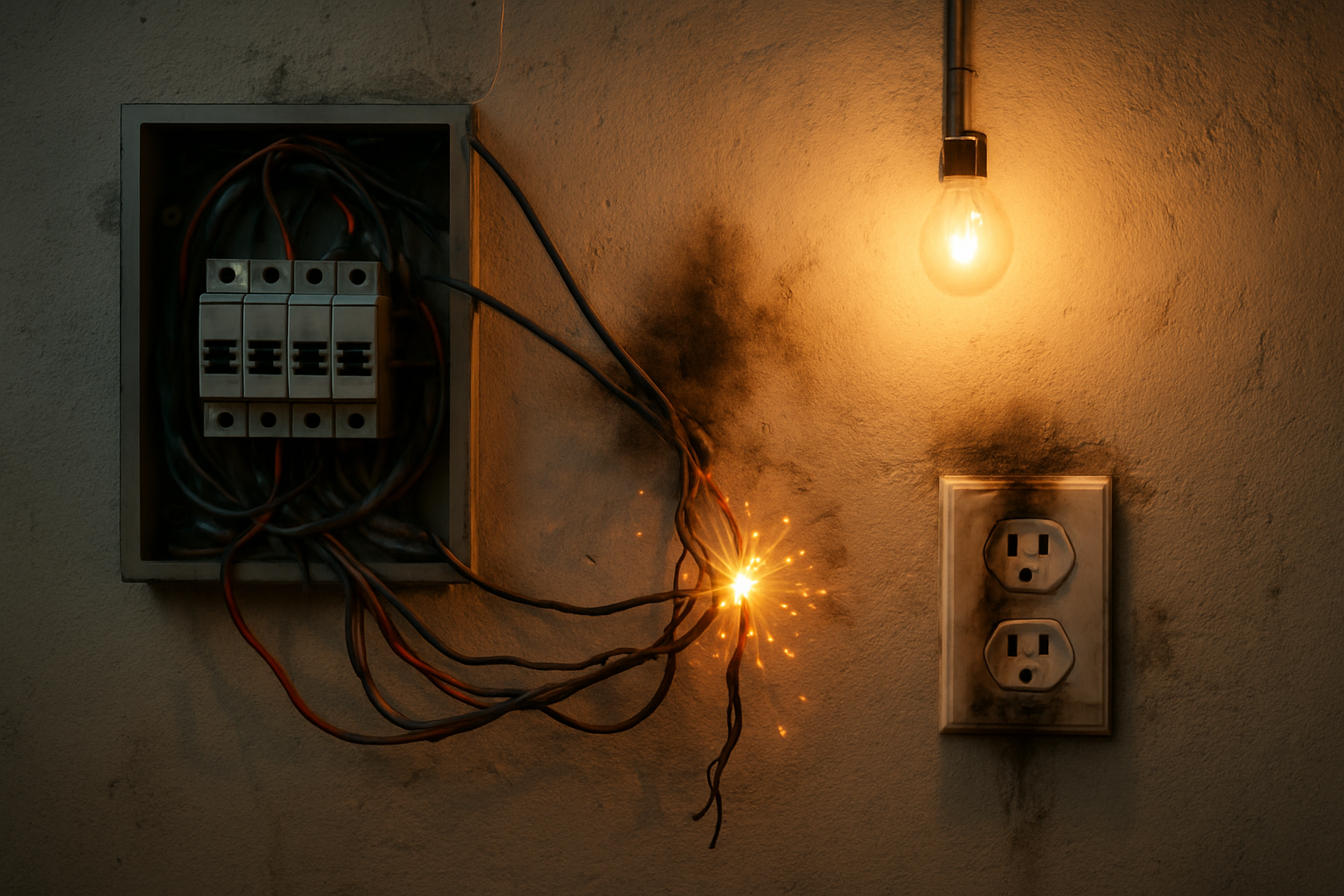
Old electrical wiring poses serious dangers in many UAE properties, especially buildings constructed in the 1980s and 1990s. These outdated systems often use aluminum wiring or early copper installations that can’t handle today’s electrical demands. When you plug in modern appliances and devices, the overloaded circuits generate excessive heat, creating perfect conditions for electrical fires.
Building defects UAE inspectors frequently discover include deteriorated wire insulation, exposed conductors, and connections that have loosened over time due to thermal expansion and contraction. The desert climate makes these problems worse, as extreme temperature fluctuations cause wiring components to expand and contract repeatedly, weakening connections and increasing resistance.
Properties with knob-and-tube wiring or cloth-insulated cables face the highest risks. These materials become brittle and crack, exposing live wires that can spark against metal fixtures or building materials. Residents often notice warning signs like flickering lights, burning smells, or outlets that feel warm to the touch.
Inadequate Electrical Panel Capacity
Many UAE buildings suffer from electrical panels that simply can’t keep up with modern power needs. Original installations typically included 100-amp or 150-amp panels designed for basic lighting and a few appliances. Today’s homes and offices require much more power for air conditioning, computers, kitchen appliances, and charging stations.
Overloaded panels cause circuit breakers to trip frequently, creating inconvenience and safety hazards. Some property owners bypass safety features by installing larger fuses or forcing breakers to stay on, which eliminates crucial fire protection. The panel box itself may show signs of overheating, including scorch marks, melted plastic components, or a burning smell.
Shared electrical systems in older apartment buildings create additional complications. Multiple units drawing power through undersized main panels can cause voltage drops, equipment damage, and increased fire risks throughout the building.
Faulty Grounding and Earthing Systems
Proper grounding protects people and equipment from electrical faults, but many UAE properties have inadequate earthing systems. Corroded ground rods, broken ground wires, or missing ground connections leave buildings vulnerable to electrical shock and equipment damage during power surges.
Grounding problems become especially dangerous during thunderstorms, which can produce powerful electrical surges. Without proper earthing, these surges can travel through electrical systems, damaging appliances and creating shock hazards. Swimming pools, outdoor lighting, and metal fixtures require special attention to grounding requirements.
Testing reveals that many buildings have ground resistance levels well above safe standards. Salty air near coastal areas accelerates corrosion of grounding components, while sandy soil conditions in inland areas can reduce grounding effectiveness over time.
HVAC System Performance Problems
Air Conditioning Unit Inefficiency and Breakdowns
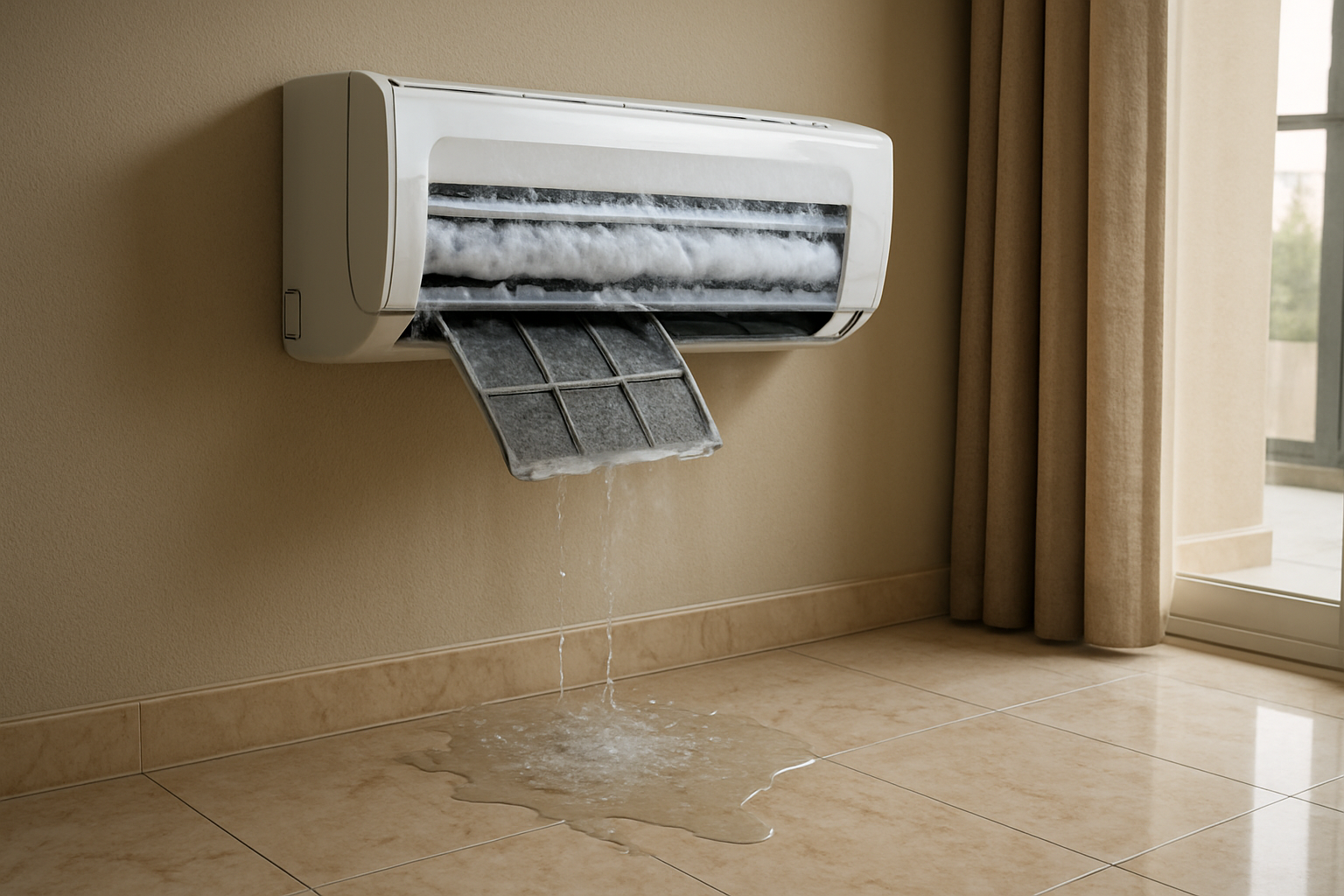
Air conditioning systems face intense demands in the UAE’s harsh climate, leading to frequent failures and reduced efficiency. Many properties experience refrigerant leaks that drastically reduce cooling performance while increasing energy consumption. Compressor failures are particularly common due to continuous operation during summer months, often resulting from inadequate maintenance or poor installation practices.
Electrical component failures plague older systems, with contactors, capacitors, and control boards frequently malfunctioning. These building defects UAE properties commonly face stem from inadequate voltage regulation and power surges. Dirty coils and clogged filters compound efficiency problems, forcing systems to work harder and consume more energy while delivering insufficient cooling.
Poor Ventilation Causing Indoor Air Quality Issues
Inadequate fresh air circulation creates serious health concerns in UAE buildings. Many properties lack proper ventilation systems, leading to stagnant air and elevated humidity levels that promote mold growth. Carbon dioxide buildup becomes problematic in tightly sealed spaces without mechanical ventilation.
Bathroom and kitchen exhaust systems frequently fail, trapping moisture and odors inside living spaces. This creates uncomfortable environments and contributes to structural damage over time. Office buildings often struggle with sick building syndrome symptoms among occupants due to insufficient air exchange rates and contaminated air circulation.
Ductwork Leaks and Insulation Failures
Ductwork problems waste significant energy and reduce system effectiveness throughout UAE properties. Air leaks commonly develop at joints and connections, allowing conditioned air to escape into unconditioned spaces. Poor sealing techniques and low-quality materials contribute to these widespread issues.
Insulation deterioration around ducts causes condensation problems and thermal losses. Moisture infiltration damages insulation materials, reducing their effectiveness and creating breeding grounds for bacteria and mold. Poorly designed duct layouts create pressure imbalances that strain equipment and reduce air distribution quality to different zones.
Inadequate Cooling Capacity for UAE Climate
Many HVAC systems in UAE properties are undersized for the extreme climate conditions, particularly during peak summer months. Load calculations often fail to account for solar heat gain, building orientation, and occupancy patterns specific to the region. This results in systems that cannot maintain comfortable temperatures during hottest periods.
Equipment selection sometimes prioritizes initial cost over performance requirements, leading to insufficient cooling capacity. Poor zoning design creates hot spots and uneven temperature distribution throughout buildings. These capacity issues force systems to run continuously, increasing wear and energy costs while failing to achieve desired comfort levels.
Building Envelope Deterioration
External Facade Cladding Detachment
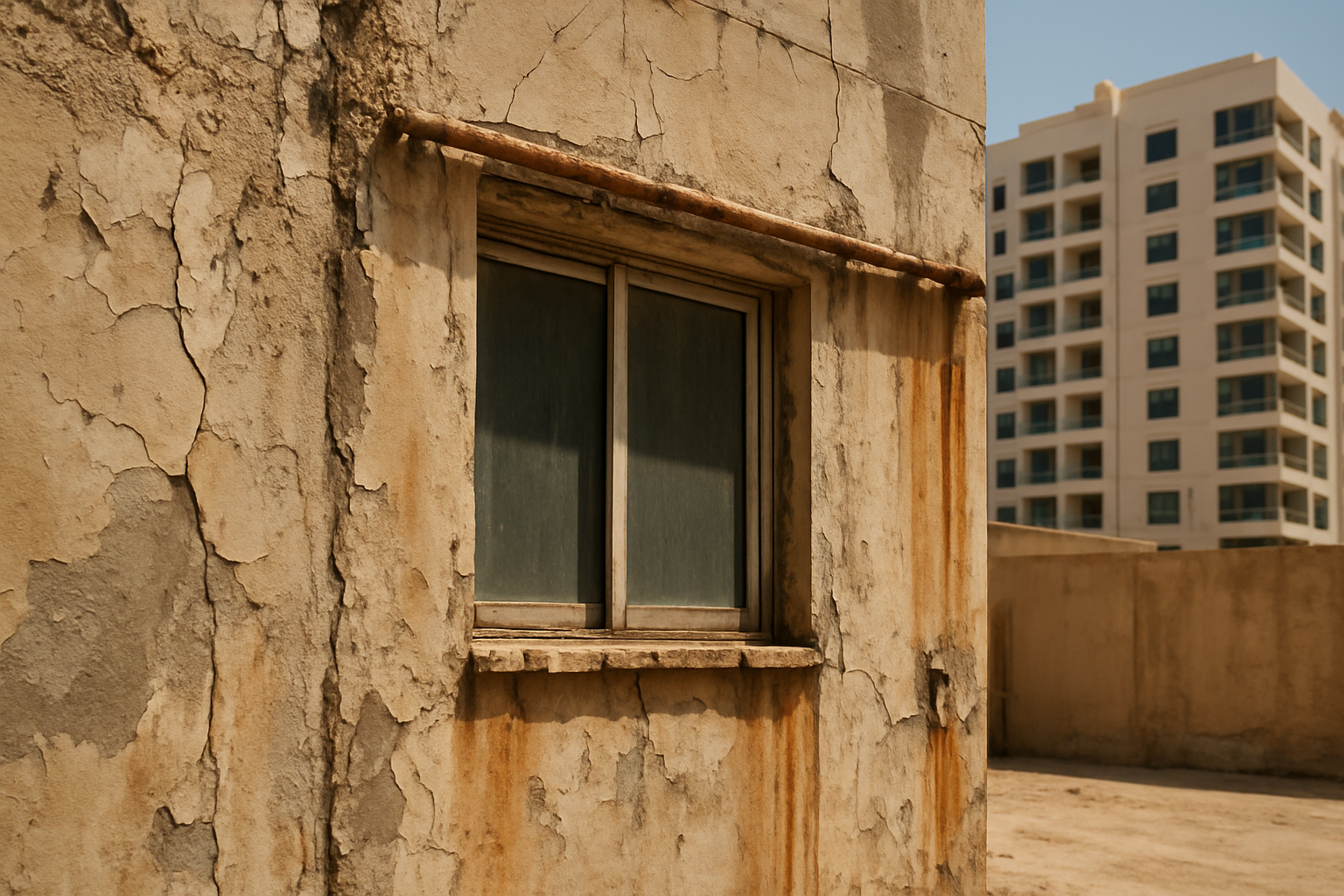
The desert environment puts incredible stress on building exteriors, and cladding systems often can’t keep up. High temperatures during the day followed by cooler nights create constant expansion and contraction cycles that gradually weaken the bonds holding facade materials in place. Many UAE buildings use aluminum composite panels, stone cladding, or ceramic tiles that face mounting pressures from thermal movement.
Wind loads from sandstorms add another layer of challenge. These storms don’t just deposit sand – they create powerful forces that pull and push against building surfaces. Over time, the fasteners, adhesives, and mechanical fixings that secure cladding materials begin to fail. You’ll often see tiles falling from high-rise buildings or metal panels developing visible gaps and separation.
Poor installation practices make the problem worse. When contractors rush through projects or skip proper substrate preparation, the cladding never gets the secure foundation it needs. Water infiltration behind loose cladding accelerates deterioration, creating a cycle where small problems quickly become major safety hazards.
Window and Door Seal Failures
Extreme heat wreaks havoc on the rubber and silicone seals around windows and doors. These materials become brittle and crack under constant UV exposure and temperature swings that can exceed 50°C in summer. What starts as small gaps quickly becomes a pathway for sand, moisture, and conditioned air to escape.
The quality of sealants used in construction varies dramatically across projects. Lower-grade materials might last only two to three years before showing serious degradation. Even high-quality seals face challenges when installers don’t properly clean surfaces or apply materials according to manufacturer specifications.
Failed seals create multiple problems beyond just air leakage. Sand infiltration damages interior finishes and mechanical systems. Energy costs skyrocket when HVAC systems work overtime to compensate for air leakage. Water intrusion during rare but intense rainfall events can cause significant damage to interior spaces and create mold growth conditions.
Thermal Insulation Degradation
Building defects UAE properties commonly experience include rapid breakdown of insulation materials that weren’t designed for extreme desert conditions. Traditional insulation products often lose their effectiveness when exposed to sustained high temperatures and UV radiation. Foam-based insulations can shrink, creating gaps that eliminate their thermal performance.
Moisture infiltration accelerates insulation failure even in dry climates. When building envelope systems develop leaks, the small amounts of water that enter can saturate insulation materials, causing them to compress, settle, or develop mold growth. Fiberglass batts become compressed and lose their loft, while rigid foam boards can delaminate or crumble.
Poor installation techniques compound these issues. Insulation that’s compressed during installation, has gaps between sections, or lacks proper vapor barriers will fail prematurely. Many buildings show thermal bridging where heat transfers through structural elements that bypass the insulation entirely, creating hot spots and energy inefficiency.
Glass Panel Stress Fractures from Temperature Fluctuations
Glass facades face enormous thermal stress in the UAE’s climate. Temperature differences between the shaded and sun-exposed portions of the same glass panel can exceed 30°C, creating internal stresses that lead to cracking. Large glass panels are particularly vulnerable because they have more area to expand and contract unevenly.
The type of glass and its mounting system significantly affects its durability. Tempered glass handles thermal stress better than standard float glass, but even high-performance glazing can develop stress fractures when the framing system doesn’t allow for proper thermal movement. Rigid mounting systems that don’t accommodate expansion and contraction create concentrated stress points.
Edge sealing and structural glazing systems add another variable. When the sealants that hold glass panels in place age and become less flexible, they transfer more stress directly to the glass itself. This creates a situation where thermal movement that the building envelope should absorb instead gets concentrated in the glass panels, leading to spider web cracking patterns that typically start at corners or edges where stress concentrations are highest.
Fire Safety and Emergency System Deficiencies
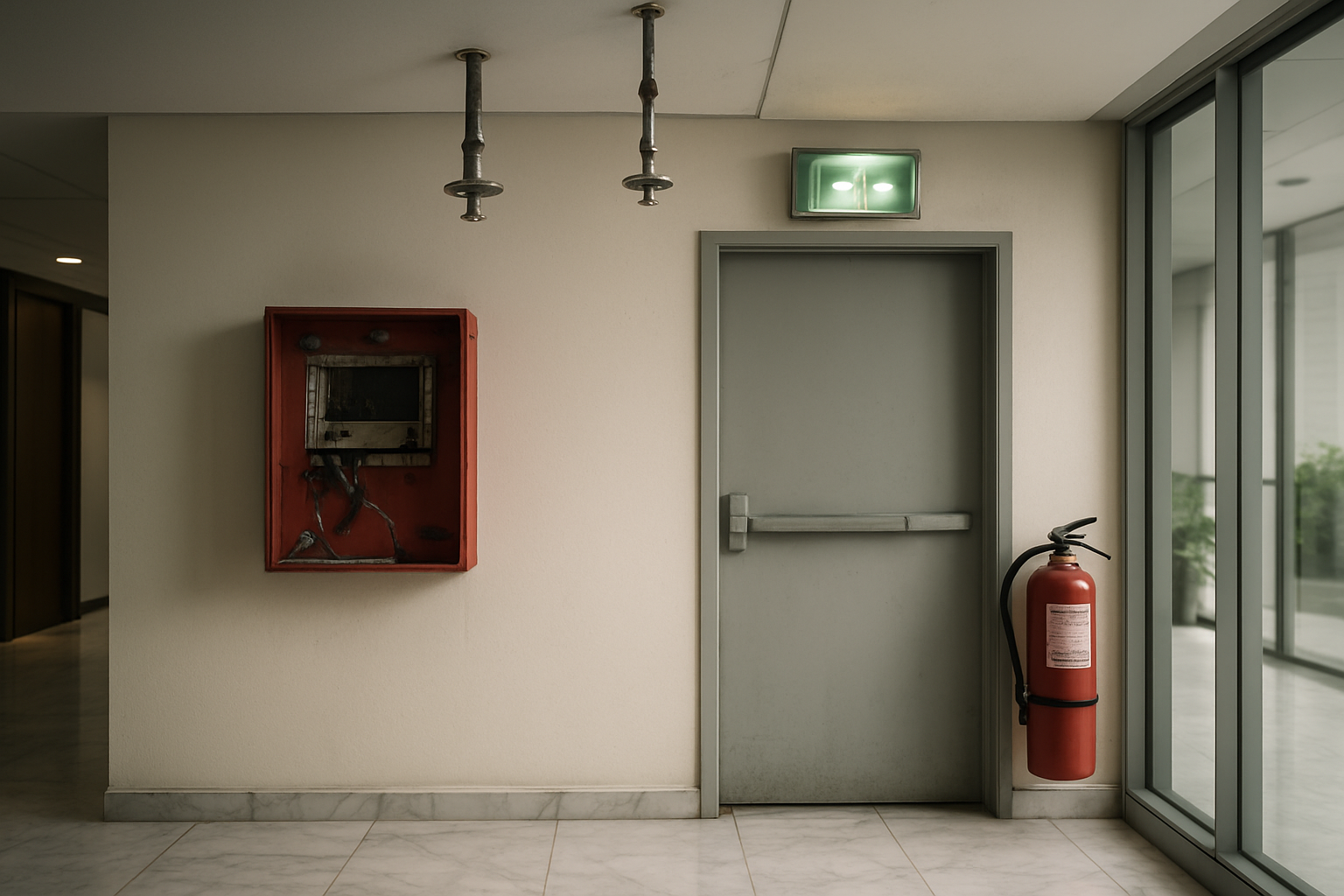
Non-functional Smoke Detection Systems
Smoke detectors save lives, but they can’t do their job if they’re not working properly. In many UAE properties, these critical safety devices suffer from dead batteries, damaged sensors, or complete system failures. Property owners often overlook regular maintenance, leaving residents vulnerable during emergencies.
Battery-powered units frequently run out of power without anyone noticing. Hard-wired systems face issues with faulty connections or damaged wiring that prevents proper operation. Some buildings install cheap, low-quality detectors that fail within months of installation. Environmental factors like dust, humidity, and extreme temperatures common in the UAE can also interfere with detector sensitivity.
Regular testing and maintenance schedules help prevent these problems. Monthly testing, annual battery replacement, and professional system inspections catch issues before they become dangerous. Smart smoke detection systems that send alerts to property managers when batteries run low offer an additional layer of protection.
Blocked or Inadequate Fire Escape Routes
Fire escape routes become useless when they’re blocked, poorly marked, or don’t lead to safe exits. Many UAE buildings have escape routes cluttered with storage items, maintenance equipment, or furniture that creates dangerous obstacles during evacuations.
Stairwells often become unofficial storage areas, with boxes and supplies blocking pathways. Exit doors sometimes get locked or chained shut for security reasons, trapping occupants inside during emergencies. Poor lighting in stairwells and corridors makes navigation difficult, especially during power outages that commonly occur during fires.
Inadequate signage compounds these problems. Exit signs might be missing, broken, or poorly positioned where people can’t see them clearly. Some buildings lack proper emergency lighting systems that activate when main power fails.
Building codes require clear, unobstructed escape routes with proper lighting and signage. Regular inspections and strict enforcement of storage policies keep these pathways safe and accessible.
Defective Sprinkler System Installations
Sprinkler systems represent the first line of defense against fire spread, but installation defects can render them completely ineffective. Common problems include incorrect pipe sizing, inadequate water pressure, and sprinkler heads positioned too far from potential fire sources.
Many systems suffer from poor water supply connections that can’t deliver sufficient flow when multiple sprinklers activate. Corrosion in older buildings blocks pipes and damages sprinkler heads, preventing proper water distribution. Some installations use the wrong type of sprinkler heads for specific areas, like using standard heads in areas that require high-temperature activation.
Control valves sometimes get installed in hard-to-reach locations or lack proper maintenance, leading to system failures when they’re needed most. Testing procedures often get skipped or performed incorrectly, missing critical defects that only become apparent during actual emergencies.
Professional installation by certified technicians and regular system testing help identify and fix these issues before lives depend on the system working properly.
Missing or Expired Fire Extinguishers
Fire extinguishers provide immediate response capability for small fires, but they’re worthless if they’re missing, expired, or the wrong type for the fire hazard. Many UAE properties lack adequate extinguisher coverage, with units spaced too far apart or located in areas where people can’t easily access them during emergencies.
Expired extinguishers lose pressure and effectiveness over time. Chemical agents break down, and mechanical components fail without regular service. Some buildings use the wrong extinguisher types for their specific fire risks – like using water-based units in areas with electrical equipment or flammable liquids.
Maintenance schedules get ignored, leaving extinguishers with broken pressure gauges, damaged hoses, or missing safety pins. Storage conditions also matter – extreme heat and humidity can damage extinguisher components and reduce their effectiveness.
| Extinguisher Type | Best For | Not Suitable For |
|---|---|---|
| Water/Foam | Paper, wood, fabric fires | Electrical, oil fires |
| CO2 | Electrical equipment fires | Outdoor use, large fires |
| Dry Powder | Multi-purpose use | Confined spaces |
Regular inspection schedules, proper placement, and staff training on extinguisher selection and use create effective fire response capabilities that can prevent small incidents from becoming major disasters.
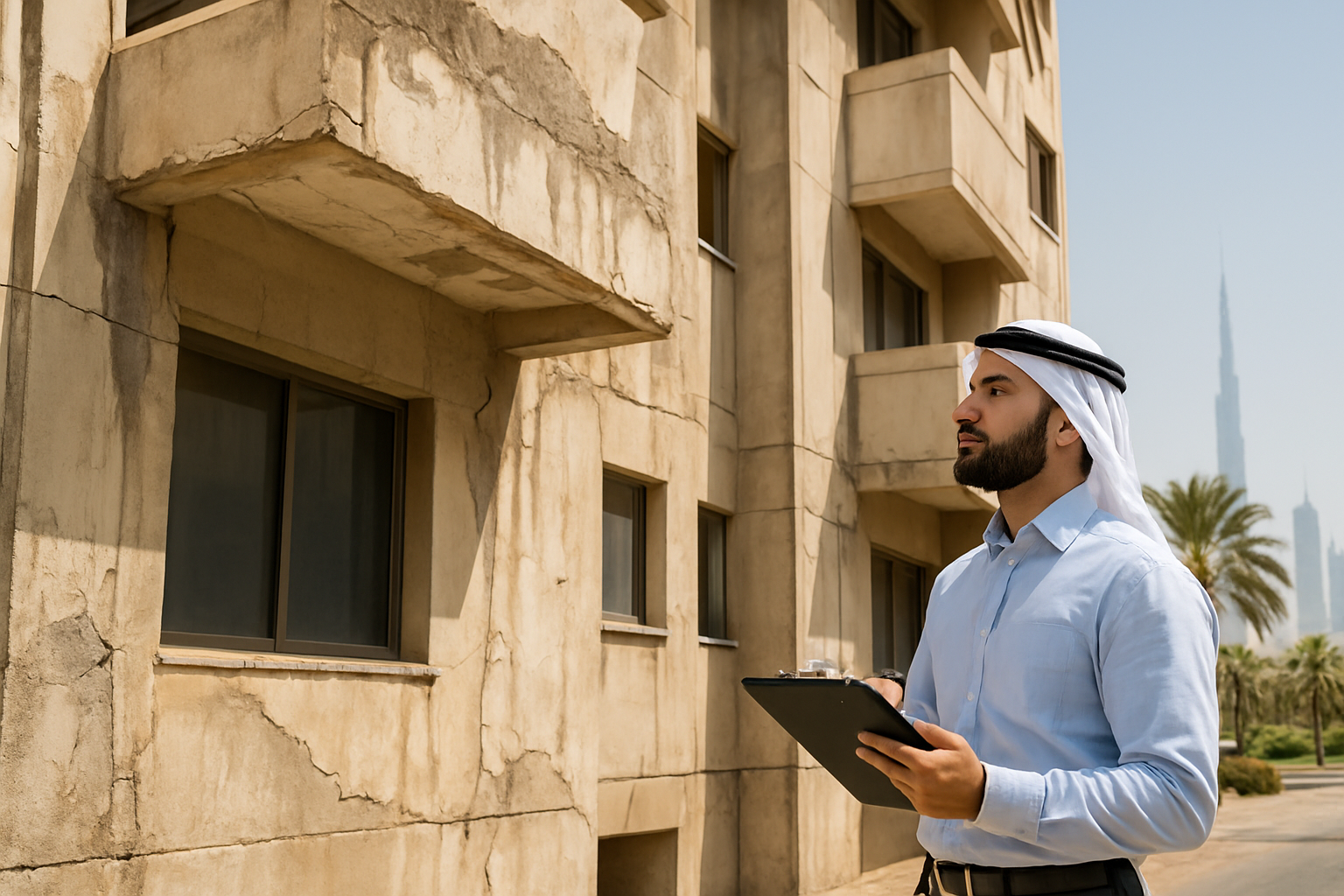
Property defects in the UAE can seriously impact your safety and wallet if left unchecked. From structural cracks that threaten building integrity to water damage from poor waterproofing, these issues require immediate attention. Electrical hazards and faulty HVAC systems not only create uncomfortable living conditions but can also pose serious safety risks. Building envelope problems and fire safety deficiencies round out the most critical concerns that property owners and buyers should watch for.
Don’t wait for small problems to become major disasters. Regular inspections by qualified professionals can catch these defects early, saving you thousands in repairs and protecting your family’s safety. If you’re buying property in the UAE, always invest in a thorough building inspection before making your purchase decision. Your peace of mind and financial security depend on knowing exactly what you’re getting into.