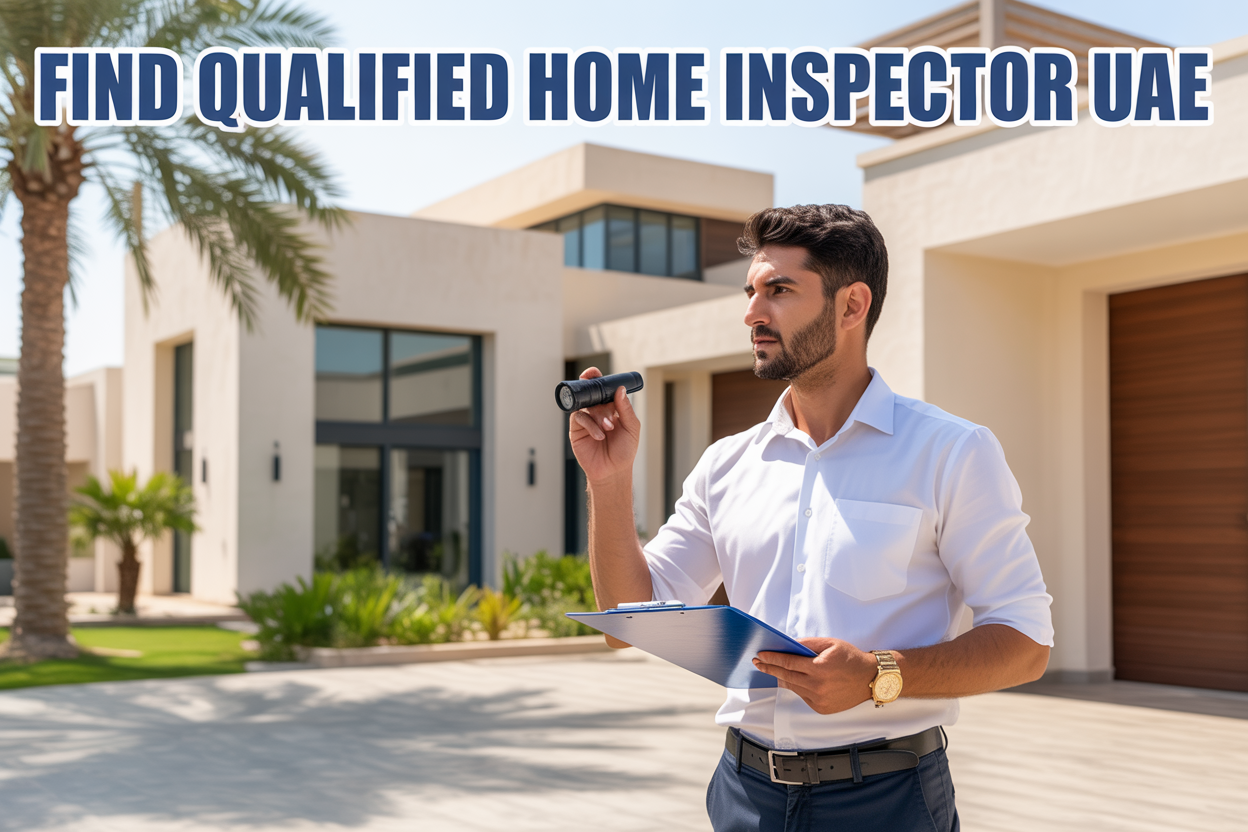
Buying property in the UAE requires careful inspection to protect your investment and avoid costly surprises down the road. This guide helps homebuyers, real estate investors, and property owners find a qualified home inspector UAE who meets their specific needs and budget.
You’ll learn how to verify inspector credentials and certifications that matter in the UAE market. We’ll also walk you through checking inspector experience levels, reading reviews effectively, and comparing service offerings across different providers. Finally, you’ll discover how to evaluate inspection reports and pricing to make the smartest choice for your property purchase.
Research Licensed and Certified Home Inspectors

Verify certification from recognized UAE authorities
Finding a qualified home inspector UAE starts with checking proper certifications. The UAE has specific regulatory bodies that oversee home inspection services, and working with certified professionals protects your investment and ensures quality standards.
The Dubai Municipality requires home inspectors to hold valid licenses before they can legally operate within Dubai’s jurisdiction. These licenses demonstrate that inspectors meet minimum competency requirements and understand local building standards. Similarly, other emirates have their own regulatory frameworks. Abu Dhabi Municipality, Sharjah Municipality, and other local authorities maintain registries of licensed inspection professionals.
When vetting potential inspectors, ask for their license number and verify it directly with the relevant municipality. Most emirates provide online portals where you can cross-reference license information. This simple step eliminates unlicensed operators who might cut corners or lack proper training.
The UAE Building Code serves as the foundation for inspection standards across the country. Certified inspectors must demonstrate knowledge of these codes during their licensing process. This includes understanding structural requirements, electrical systems, plumbing standards, and safety protocols specific to the UAE’s climate and construction practices.
Professional certifications go beyond basic licensing. Look for inspectors who hold credentials from internationally recognized organizations that have established UAE chapters or partnerships. The American Society of Home Inspectors (ASHI) and the International Association of Certified Home Inspectors (InterNACHI) maintain certification programs adapted for UAE conditions.
Some inspectors also pursue specialized certifications in areas like thermal imaging, mold detection, or energy efficiency assessments. These additional qualifications can be valuable depending on your specific property concerns or the age and type of building you’re purchasing.
Document verification involves more than just seeing certificates. Request copies of current certifications and licenses, then verify their authenticity through official channels. Legitimate inspectors welcome this scrutiny and often provide verification information proactively.
The certification renewal process also matters. UAE regulations typically require periodic renewal and continuing education. Check that your inspector’s credentials are current and haven’t lapsed. Expired certifications suggest a lack of commitment to staying updated with evolving standards and practices.
Check membership in professional inspection associations
Professional associations play a vital role in maintaining industry standards and providing ongoing education for home inspectors. Membership in reputable organizations signals an inspector’s commitment to best practices and professional development.
The Emirates Society of Home Inspectors represents local professionals and maintains ethical standards for members. This organization provides networking opportunities, training programs, and updates on regulatory changes affecting the industry. Members typically agree to follow specific codes of conduct and professional standards.
International associations with UAE presence include InterNACHI Middle East and ASHI International. These groups bring global best practices to the local market and often provide more comprehensive training programs than purely local organizations. They also offer resources for handling unique challenges found in UAE properties, such as extreme heat effects on building materials and sand-related maintenance issues.
Membership benefits extend to consumers as well. Association members often carry professional liability insurance and may offer guarantees or warranties on their work. Many associations also provide dispute resolution services if conflicts arise between inspectors and clients.
Active participation in professional associations demonstrates ongoing commitment to the field. Look for inspectors who attend conferences, pursue continuing education credits, or serve in leadership roles within their organizations. These activities indicate dedication to staying current with industry developments.
Some associations maintain disciplinary processes for members who fail to meet professional standards. This self-policing mechanism provides additional consumer protection beyond government regulation. Before hiring an inspector, check if any complaints or disciplinary actions are on file with their professional associations.
Regional specialization matters in the UAE context. The Gulf region presents unique challenges for building inspection, including saltwater corrosion, sand infiltration, extreme temperature fluctuations, and specific construction materials adapted to the climate. Professional associations often provide specialized training addressing these regional concerns.
Networking within professional associations also keeps inspectors informed about local market conditions, common building defects, and emerging issues in UAE construction. This knowledge directly benefits clients by ensuring inspectors can identify problems specific to the region and property type.
Confirm compliance with local building codes and regulations
Understanding local building codes and regulations represents a fundamental requirement for any qualified home inspector in the UAE. Each emirate maintains its own building codes, though many align with broader UAE standards and international best practices.
Dubai’s building codes incorporate fire safety requirements, structural specifications, and utility standards specific to high-rise living and extreme climate conditions. Inspectors operating in Dubai must understand these codes thoroughly to identify violations or potential safety concerns during property assessments.
Abu Dhabi follows the Abu Dhabi Building Code, which emphasizes energy efficiency and sustainability more heavily than some other emirates. Inspectors working in Abu Dhabi should demonstrate familiarity with green building standards, energy performance requirements, and environmental considerations.
Northern emirates often deal with different construction types and materials. Sharjah, Ajman, and other emirates may have older buildings constructed under different standards, requiring inspectors to understand both current codes and historical building practices.
Fire safety regulations deserve special attention in UAE property inspections. The Civil Defence Authority maintains strict requirements for fire prevention systems, emergency exits, and safety equipment. Qualified inspectors must understand these regulations and can identify potential violations that could create safety hazards or legal compliance issues.
Electrical codes in the UAE follow international standards but include specific adaptations for local conditions. High humidity, salt air in coastal areas, and extreme temperatures affect electrical systems differently than in other climates. Inspectors must understand how these conditions impact electrical installations and what modifications or protections are required under local codes.
Plumbing regulations address water conservation, gray water systems, and materials suitable for local water conditions. The UAE’s water scarcity drives specific requirements for efficient fixtures and systems. Qualified inspectors should understand these requirements and can identify non-compliant installations.
Building accessibility requirements have evolved in the UAE, with newer codes emphasizing universal design principles. Inspectors should understand current accessibility standards and can identify barriers in existing properties that might require modification.
Environmental regulations also impact building inspections. Air quality standards, noise regulations, and waste management requirements affect property compliance. Inspectors familiar with environmental codes can identify potential regulatory issues that might affect property value or habitability.
Code enforcement varies by emirate and municipality. Understanding local enforcement practices helps inspectors advise clients about the likelihood of required corrections and potential costs for bringing properties into compliance.
Review educational background and specialized training
Educational qualifications and specialized training form the foundation of inspector expertise. While practical experience matters greatly, formal education provides the theoretical knowledge needed to understand complex building systems and identify potential problems.
Engineering backgrounds offer excellent preparation for home inspection careers. Civil, mechanical, and electrical engineering degrees provide deep understanding of building systems, structural principles, and safety considerations. Inspectors with engineering backgrounds often excel at identifying systemic issues and understanding how different building components interact.
Construction management education combines practical building knowledge with project oversight skills. This background helps inspectors understand construction processes, material selection, and quality control measures. They often have strong networks within the construction industry and stay current with building trends and techniques.
Architecture education provides comprehensive understanding of building design, spatial relationships, and aesthetic considerations alongside technical knowledge. Architect-inspectors often excel at evaluating additions, modifications, and design-related issues that might affect property value or functionality.
Specialized training programs focus specifically on home inspection techniques and procedures. Organizations like InterNACHI and ASHI offer comprehensive courses covering inspection methodology, report writing, safety procedures, and business practices. These programs often include hands-on training components and examination requirements.
Technical certifications in specific areas enhance inspector capabilities. Thermal imaging certification allows inspectors to identify hidden moisture problems, insulation defects, and electrical hot spots. Indoor air quality certification helps identify mold, allergens, and ventilation problems. Energy audit training enables assessment of building efficiency and utility costs.
Continuing education requirements ensure inspectors stay current with evolving building codes, new construction materials, and inspection techniques. Look for inspectors who exceed minimum continuing education requirements and actively pursue additional training opportunities.
Local training programs address region-specific challenges. UAE-based training covers topics like sand infiltration, saltwater corrosion, extreme heat effects, and construction practices common in the region. This specialized knowledge proves invaluable when inspecting properties in challenging local conditions.
Manufacturer training programs provide detailed knowledge about specific building systems and components. HVAC manufacturers, roofing companies, and other suppliers often offer training programs that enhance inspector understanding of their products and common failure modes.
Language skills matter in the UAE’s multicultural environment. Inspectors who can communicate effectively with diverse property owners, contractors, and other professionals provide better service and can gather more complete information during inspections.
Safety training protects both inspectors and property owners. Confined space training, electrical safety certification, and hazardous material awareness help inspectors work safely while providing thorough evaluations of potentially dangerous conditions.
Technology training keeps inspectors current with evolving inspection tools and software. Digital moisture meters, drone technology, and advanced reporting software can enhance inspection quality and efficiency when properly utilized.
Evaluate Inspector Experience and Expertise

Assess Years of Experience in UAE Property Market
Finding a qualified home inspector UAE requires understanding how long they’ve been working specifically within the country’s unique real estate landscape. The UAE property market presents distinct challenges that only come with hands-on experience in the region. Inspectors who’ve worked here for several years understand the nuances of local construction methods, climate-related wear patterns, and regulatory requirements.
Property inspection in the UAE demands familiarity with rapid construction timelines that characterized the building boom of the 2000s and 2010s. Many developments were completed quickly to meet growing demand, sometimes leading to quality control issues that experienced local inspectors can spot immediately. An inspector with five or more years of UAE-specific experience will recognize these patterns and know where to look for potential problems.
The desert climate creates unique challenges for building materials and systems. Air conditioning units work overtime year-round, creating specific wear patterns on HVAC systems. Sandstorms can affect exterior finishes and infiltrate ventilation systems in ways that inspectors from temperate climates might miss. Building materials react differently to extreme heat and humidity variations, and only inspectors with substantial UAE experience understand these environmental impacts.
Local inspectors also understand the evolution of building codes and construction practices in the Emirates. Dubai and Abu Dhabi have continuously updated their building standards, and properties built in different decades reflect these changing requirements. An experienced UAE inspector knows which vintage properties might have outdated electrical systems or plumbing that doesn’t meet current standards.
The mix of international developers, contractors, and construction workers in the UAE creates a unique quality landscape. Some developments showcase world-class construction while others might cut corners to meet tight deadlines and budget constraints. Inspectors with deep UAE experience can quickly assess which category a property falls into based on subtle indicators that newcomers might overlook.
Review Types of Properties Previously Inspected
The UAE property market encompasses an incredibly diverse range of residential options, from high-rise apartments in Dubai Marina to beachfront villas in Abu Dhabi and traditional Arabic-style homes in older neighborhoods. Each property type presents distinct inspection challenges that require specialized knowledge and experience.
High-rise apartments dominate many UAE markets, particularly in Dubai and Abu Dhabi. These properties require inspectors who understand building envelope systems, shared infrastructure, and the unique challenges of vertical living in extreme climates. Experienced inspectors know how to assess balcony waterproofing, which becomes critical when units are stacked dozens of floors high. They understand how building sway affects interior finishes and can spot signs of structural settling that might indicate foundation issues.
Villa inspections require different expertise entirely. These standalone properties often feature private pools, extensive landscaping, and independent utility systems. Inspectors need experience with pool equipment, irrigation systems, and the challenges of maintaining larger properties in desert conditions. Villa inspections also involve assessing boundary walls, gates, and security systems that apartment dwellers don’t encounter.
Townhouses represent a middle ground with their own unique considerations. These properties often share walls with neighbors, creating potential issues with noise transmission and shared utilities. Experienced inspectors understand how to assess party wall construction and identify potential moisture transfer between units.
The UAE market also includes significant numbers of furnished properties, particularly in areas popular with expatriates. Inspecting furnished units requires different skills since inspectors must work around existing furniture and belongings while still accessing all critical systems and components. Experienced inspectors develop efficient routines for these situations and know how to spot hidden problems even when access is limited.
Luxury properties in the UAE often feature high-end finishes and sophisticated building systems that require specialized knowledge. Smart home technology, advanced security systems, and premium appliances all need specific inspection approaches. Inspectors with experience in luxury properties understand these systems and can identify potential issues with expensive components that standard residential inspectors might miss.
Off-plan and newly constructed properties require yet another skill set. These inspections focus heavily on construction quality, finish workmanship, and developer-specific issues. Experienced inspectors know which developers have consistent quality records and which ones require more thorough scrutiny.
Examine Knowledge of Common UAE Construction Issues
The UAE’s unique combination of rapid development, extreme climate, and international construction practices has created a specific set of common issues that qualified inspectors must understand thoroughly. These problems repeat across different developments and property types, making local knowledge invaluable for prospective buyers.
Waterproofing failures rank among the most serious and common issues in UAE properties. The combination of intense summer heat, occasional heavy rainfall, and high humidity creates challenging conditions for waterproofing systems. Experienced inspectors know where these failures typically occur and how to identify early warning signs before they become expensive problems.
Bathroom waterproofing deserves particular attention since failures here can affect multiple units in apartment buildings. Inspectors with UAE experience understand local waterproofing standards and can assess whether installations meet appropriate specifications. They know how to test shower enclosures, check around fixtures, and identify potential weak points in waterproof membranes.
Balcony and terrace waterproofing presents ongoing challenges in high-rise buildings. The UAE’s weather extremes cause expansion and contraction that can compromise sealants and membranes over time. Qualified inspectors understand how to assess drainage systems, check for proper slopes, and identify areas where water might penetrate the building envelope.
Air conditioning systems work under extreme stress in the UAE, leading to predictable patterns of wear and failure. Experienced inspectors understand how local climate affects different AC components and can identify systems that are undersized for local conditions. They know how to assess ductwork installation, check for proper insulation, and identify signs of refrigerant leaks or compressor stress.
The constant use of air conditioning also creates specific indoor air quality challenges. Condensation within ductwork can lead to mold growth, while poorly maintained systems circulate dust and allergens. Qualified UAE inspectors understand these risks and know how to assess ventilation adequacy and identify potential air quality issues.
Electrical systems in the UAE often show stress from heavy air conditioning loads and power fluctuations. Inspectors with local experience understand the common electrical problems that occur in UAE properties, from overloaded circuits to voltage regulation issues. They can identify installations that don’t meet local electrical codes and spot potential safety hazards.
The UAE’s building boom led to some shortcuts in electrical installation, particularly in more affordable developments. Experienced inspectors know what to look for and can identify substandard electrical work that might create safety risks or require expensive upgrades.
Plumbing systems face unique challenges from the UAE’s water quality and usage patterns. Hard water can cause mineral buildup in fixtures and appliances, while high water pressure in tall buildings can stress plumbing connections. Qualified inspectors understand these local conditions and can assess plumbing systems for durability and compliance with local standards.
Foundation and structural issues, while less common, require specific UAE knowledge to identify properly. The combination of sandy soil conditions and extreme temperature variations can affect building stability in ways that inspectors from other regions might not recognize. Experienced local inspectors understand soil conditions across different Emirates and can identify signs of settlement or structural stress.
Window and door installations often show problems related to thermal expansion and sandstorm exposure. Qualified inspectors know how local weather affects these components and can identify installations that won’t withstand UAE conditions long-term. They understand local standards for window performance and can assess whether installations meet appropriate specifications.
Tile and stone installations face particular challenges from the UAE’s climate extremes. Thermal expansion can cause cracking and separation, while installation shortcuts can lead to premature failure. Experienced inspectors understand proper installation techniques and can identify work that’s likely to fail under local conditions.
The rapid pace of UAE construction sometimes led to quality control issues that experienced inspectors can readily identify. These might include inadequate concrete curing, improper reinforcement installation, or shortcuts in finishing work. Inspectors with substantial UAE experience develop an eye for these issues and understand their long-term implications for property owners.
Building systems integration presents another area where UAE-specific knowledge proves valuable. The combination of sophisticated building automation, security systems, and smart home technology requires inspectors who understand how these systems should work together. Qualified inspectors can identify integration problems that might affect system performance or create maintenance challenges.
Analyze Inspector Reputation and Reviews

Check Online Reviews and Customer Testimonials
Online reviews serve as your first line of defense when choosing a qualified home inspector UAE. Start your research by visiting major review platforms like Google Reviews, Yelp, and Facebook, where previous clients share their honest experiences. Look for inspectors with consistent ratings above 4.5 stars and pay close attention to the details within each review.
Don’t just glance at the star ratings – dive deep into what customers actually say. Quality reviews mention specific aspects of the inspection process, such as thoroughness, communication skills, report quality, and punctuality. Watch for patterns in feedback. If multiple reviews praise an inspector’s ability to explain technical issues in simple terms, that’s a strong indicator of their professionalism and expertise.
Red flags appear when reviews consistently mention rushed inspections, missed major issues, or poor communication. Be particularly wary of inspectors who have several recent negative reviews about incomplete inspections or problems discovered shortly after purchase that should have been caught during the initial inspection.
Local UAE property forums and social media groups provide additional insight into inspector reputations. Dubai Property Talk, Abu Dhabi Real Estate groups, and expat communities often share recommendations and warnings about specific inspectors. These platforms offer more detailed discussions about inspector performance and can reveal information not found on traditional review sites.
Create a spreadsheet to track different inspectors’ online ratings across platforms. Include columns for overall rating, number of reviews, recent review dates, and common themes mentioned. This systematic approach helps you identify the most consistently well-regarded inspectors in your area.
Pay attention to how inspectors respond to negative reviews. Professional inspectors address concerns respectfully and offer solutions, while less reputable ones might become defensive or ignore feedback entirely. Response quality often reflects how they handle client concerns during actual inspections.
Request References from Recent Clients
Direct client references provide deeper insights than online reviews alone. Professional home inspectors should readily provide contact information for recent clients who have agreed to serve as references. If an inspector hesitates or claims they cannot share references due to privacy concerns, consider this a warning sign.
When contacting references, prepare specific questions that reveal important details about the inspection experience. Ask about the inspector’s punctuality, thoroughness, and ability to explain findings clearly. Find out if the inspector used proper equipment and whether they spent adequate time examining all areas of the property.
Most importantly, ask references if any significant issues were discovered after the inspection that should have been caught initially. While no inspector catches every minor issue, missing major structural problems, electrical hazards, or plumbing failures indicates poor performance. References can also tell you about the inspector’s availability for follow-up questions and their willingness to clarify report details.
Contact at least three references for each inspector you’re seriously considering. This gives you a broader perspective on their consistency and reliability. Ask references about the timeline – did the inspector deliver the report when promised? Was the report detailed enough to help with purchase decisions or contractor negotiations?
References can also provide insight into the inspector’s knowledge of UAE building codes and local construction practices. Properties in the UAE face unique challenges like extreme heat, humidity, and sand exposure that require specialized knowledge. Ask references if the inspector demonstrated understanding of these regional factors during their inspection.
Don’t forget to ask about value for money. While price shouldn’t be your only consideration, references can tell you if they felt the inspection fee was justified by the quality and comprehensiveness of service received. This information helps you make more informed comparisons between different inspectors.
Verify Better Business Bureau or Equivalent Ratings
While the Better Business Bureau doesn’t operate in the UAE, equivalent organizations and regulatory bodies provide similar oversight and ratings for professional services. The UAE Ministry of Economy and local municipality departments maintain records of licensed businesses and any official complaints filed against them.
Check with the Dubai Municipality or Abu Dhabi Municipality, depending on your location, for any registered complaints against prospective inspectors. These government bodies often maintain public records of business licenses, renewals, and any regulatory actions taken against service providers.
Professional associations like the Dubai Real Estate Institute (DREI) and similar organizations often maintain member directories with ratings and complaint histories. Members of these associations typically adhere to higher professional standards and may offer additional consumer protections.
Banking and financial institutions that frequently work with home inspectors for mortgage approvals often maintain preferred provider lists. These institutions have vested interests in working with reliable inspectors since poor inspections can lead to costly problems after loan approval. Contact major UAE banks and ask if they maintain approved inspector lists or have recommendations based on their experience.
Insurance companies that provide professional liability coverage for home inspectors can also provide insights into inspector reliability. Companies with clean claims histories often receive better rates and coverage, which indicates consistent professional performance.
The Real Estate Regulatory Agency (RERA) in Dubai maintains databases of approved service providers in the real estate industry. While not all home inspectors may be listed, those who are have met additional regulatory requirements and undergo periodic reviews.
Create a verification checklist that includes license verification, professional association membership, insurance coverage confirmation, and clean regulatory history. This systematic approach ensures you don’t overlook important credibility indicators.
Research Any Complaints or Disciplinary Actions
Disciplinary action research requires checking multiple sources since complaints and actions may be recorded by different authorities. Start with the local municipality business license department, which maintains records of any formal complaints or violations related to business operations.
Professional licensing boards, where they exist for building inspection services, keep detailed records of any disciplinary actions taken against licensed professionals. These records typically include the nature of violations, actions taken, and current license status. Even minor infractions can indicate patterns of unprofessional behavior that might affect your inspection quality.
Court records provide another source of information about serious disputes between inspectors and clients. While most disagreements don’t reach court, lawsuits involving negligence, fraud, or breach of contract reveal serious red flags about inspector competence or ethics. Dubai Courts and other emirate court systems maintain searchable databases of civil cases.
Contact the inspector’s professional liability insurance carrier if possible. While insurance companies cannot share specific claim details due to privacy rules, they may confirm whether an inspector maintains current coverage and has had recent claims. Inspectors with multiple claims or coverage cancellations pose higher risks.
Industry associations maintain their own disciplinary processes for members who violate professional standards. Contact relevant associations directly to inquire about any disciplinary actions taken against specific inspectors. These actions might include warnings, continuing education requirements, probation, or membership termination.
When researching complaints, distinguish between legitimate professional concerns and unreasonable client expectations. Some complaints arise from misunderstandings about inspection scope rather than actual inspector failures. Look for patterns of similar complaints from multiple sources rather than isolated incidents.
Document your findings in a detailed comparison chart that includes complaint types, resolution methods, and current status. This information helps you make informed decisions about which inspectors meet your professional standards and risk tolerance.
Remember that the absence of complaints doesn’t guarantee quality service, while minor administrative violations don’t necessarily indicate poor inspection skills. Balance complaint research with other evaluation criteria like experience, certifications, and client references to create a complete picture of each inspector’s qualifications and reliability.
Compare Inspection Services and Coverage Areas
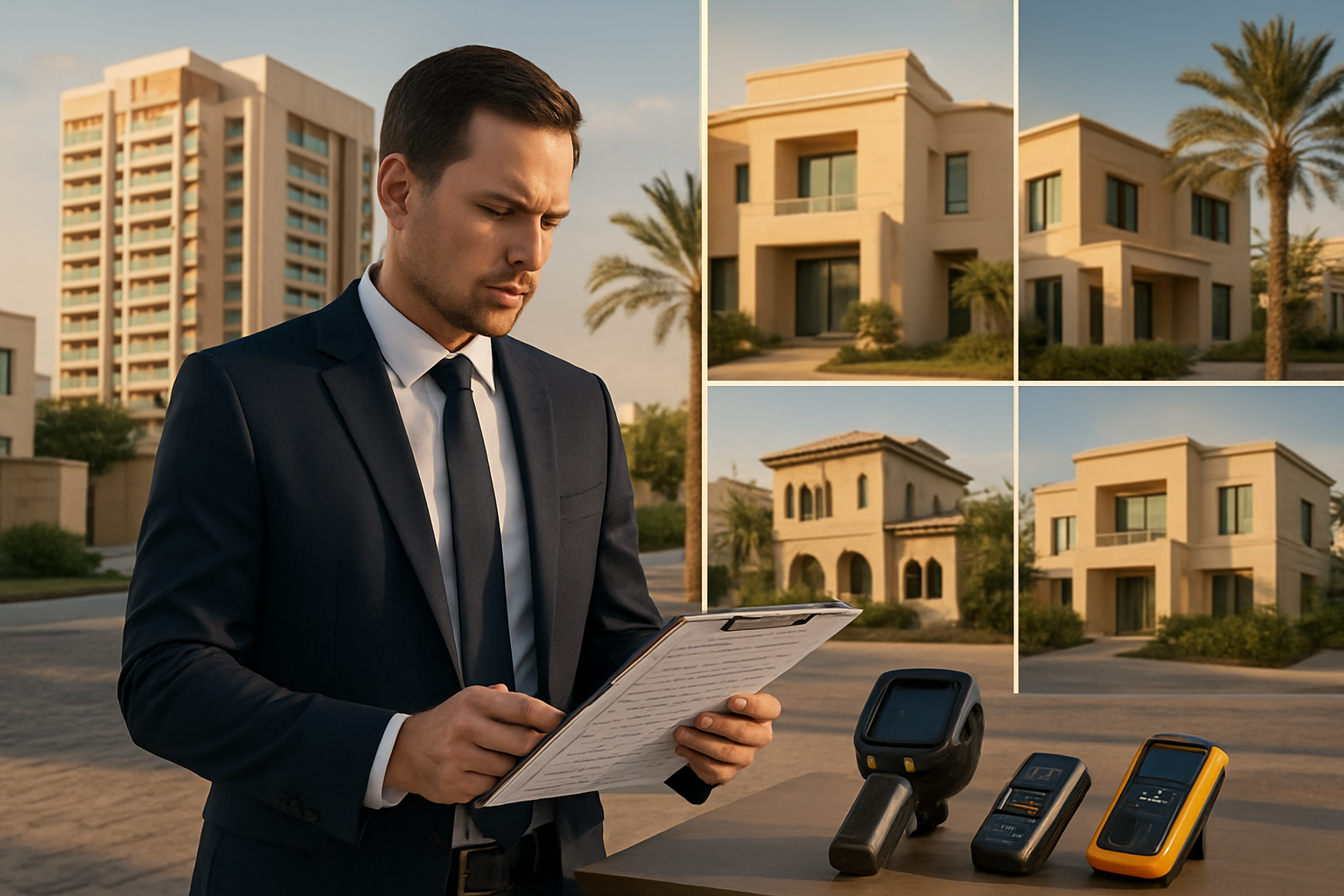
Review Comprehensive Inspection Checklist Offerings
Finding a qualified home inspector UAE means looking beyond basic visual assessments to professionals who provide thorough, systematic evaluations. A comprehensive inspection checklist serves as your roadmap to understanding exactly what areas of your property will be examined and documented during the inspection process.
Professional home inspectors in the UAE should offer detailed checklists that cover all major building systems and components. These checklists typically include exterior elements like roofing materials, gutters, siding, windows, doors, and foundation structures. Interior components should encompass flooring, walls, ceilings, stairs, railings, and built-in appliances. The checklist should also address safety features such as smoke detectors, carbon monoxide detectors, GFCI outlets, and emergency exits.
When evaluating potential inspectors, request to see their complete inspection checklist before making your decision. A qualified professional will readily share this information and explain their methodology. Look for checklists that follow international standards such as those established by the American Society of Home Inspectors (ASHI) or the International Association of Certified Home Inspectors (InterNACHI), which many UAE inspectors adopt as best practices.
The most valuable checklists go beyond simple pass-fail assessments. They should include detailed descriptions of what inspectors look for in each area, common problems they identify, and how they document their findings. For example, when examining windows, the checklist should specify checking for proper operation, seal integrity, frame condition, and hardware functionality.
Digital checklists have become increasingly common among modern inspection companies in the UAE. These electronic systems allow inspectors to input data in real-time, attach photos directly to specific inspection points, and generate more accurate reports. Ask potential inspectors about their documentation methods and whether they use tablet-based systems or traditional paper checklists.
Some inspection companies offer customizable checklists based on property type, age, or specific client concerns. This flexibility demonstrates a professional approach and willingness to adapt services to meet individual needs. Villa inspections might emphasize pool systems and landscaping drainage, while apartment inspections focus more heavily on shared building systems and balcony safety.
Confirm Coverage of Electrical, Plumbing, and HVAC Systems
Electrical, plumbing, and HVAC systems represent the core mechanical infrastructure of any property, making their thorough inspection critical for safety and functionality. When searching for a qualified home inspector UAE, verifying comprehensive coverage of these systems should be a top priority.
Electrical System Inspection Coverage
Professional electrical inspection should encompass the main electrical panel, including proper labeling of circuits, adequate capacity for the property size, and evidence of proper installation. Inspectors should examine GFCI and AFCI protection in appropriate locations, verify proper grounding systems, and test outlet functionality throughout the property.
In the UAE, where air conditioning demands place significant stress on electrical systems, inspectors must pay special attention to electrical capacity and circuit loading. They should check for proper wire sizing, identify any aluminum wiring concerns, and ensure electrical panels meet current safety standards. Look for inspectors who use specialized equipment like outlet testers, voltage meters, and infrared cameras to identify potential electrical hazards.
The inspection should also cover exterior electrical components including pool and spa electrical systems, outdoor lighting circuits, and weather-resistant outlet installations. Given the harsh climate conditions in the UAE, exterior electrical components face unique challenges that require experienced evaluation.
Plumbing System Assessment
Comprehensive plumbing inspection extends far beyond running water at fixtures. Professional inspectors should evaluate water pressure throughout the property, examine supply line materials and conditions, and assess drainage system functionality. They should test all fixtures including sinks, toilets, showers, tubs, and any specialty plumbing features.
Water heater inspection deserves particular attention, including age assessment, proper installation, safety features, and evidence of leaks or corrosion. In the UAE, where water quality can vary significantly by location, inspectors should also evaluate water filtration systems, water softeners, and any specialty treatment equipment.
Drainage systems require careful examination, especially in areas prone to flooding or poor drainage. Inspectors should check for proper slope in drain lines, adequate venting, and signs of past water damage that might indicate plumbing problems. Swimming pool plumbing, common in UAE properties, adds another layer of complexity requiring specialized knowledge.
HVAC System Evaluation
Air conditioning systems in the UAE work harder than almost anywhere else in the world, making thorough HVAC inspection absolutely essential. Professional inspectors should examine both central air conditioning systems and individual split units, evaluating capacity, efficiency, installation quality, and maintenance history.
Ductwork inspection becomes particularly important in larger properties with central systems. Inspectors should check for proper insulation, sealed connections, adequate return air provisions, and evidence of pest intrusion. They should also verify proper drainage from condensate systems, which can cause significant water damage if not functioning correctly.
Air quality considerations deserve special attention in the UAE climate. Inspectors should evaluate filtration systems, humidity control equipment, and ventilation adequacy. They should also check for proper fresh air intake and exhaust systems, particularly in bathrooms and kitchens where moisture control is critical.
Evaluate Structural and Safety Assessment Capabilities
Structural integrity and safety assessments require specialized knowledge and experience that goes beyond basic visual inspection. When selecting a qualified home inspector UAE, evaluating their capabilities in these critical areas ensures you receive comprehensive property evaluation.
Foundation and Structural Elements
Professional structural assessment begins with foundation evaluation, examining concrete slabs, footings, and any basement or crawl space areas. In the UAE, where soil conditions and extreme temperatures create unique foundation challenges, inspectors must understand thermal expansion effects, soil settlement patterns, and proper foundation design for local conditions.
Wall structure evaluation should include load-bearing wall identification, proper beam and column installation, and evidence of structural modifications. Inspectors should look for signs of settling, cracking, or movement that might indicate structural concerns. They should also verify proper connection methods and hardware installation in areas subject to high winds.
Roof structure assessment encompasses more than surface materials. Professional inspectors examine roof framing, proper support spacing, connection methods, and evidence of modifications or repairs. They should evaluate roof loading capacity, particularly important for properties with rooftop equipment or solar installations common in the UAE.
Safety System Evaluation
Fire safety systems require thorough evaluation beyond basic smoke detector testing. Professional inspectors should assess escape route adequacy, proper exit door hardware, window egress capabilities, and fire separation requirements. They should also evaluate any installed fire suppression systems, emergency lighting, and carbon monoxide detection equipment.
Electrical safety assessment goes beyond basic functionality testing. Inspectors should evaluate GFCI protection adequacy, proper grounding systems, panel installation safety, and evidence of electrical modifications. They should also check for fire hazards like overloaded circuits, improper wire splicing, or inadequate clearances around electrical equipment.
Pool and spa safety represents a particular concern for UAE properties. Professional inspectors should evaluate barrier requirements, proper drain covers, electrical safety around water features, and any required safety equipment. They should also assess diving board installation, slide safety, and pool lighting systems.
Specialized Safety Considerations
Building envelope assessment becomes particularly important in the UAE climate. Inspectors should evaluate moisture intrusion prevention, proper vapor barriers, insulation adequacy, and thermal bridge minimization. They should also check for air infiltration points that might compromise energy efficiency or allow pest entry.
Seismic safety considerations, while less critical than in some regions, still require evaluation. Inspectors should assess connection methods, identify any unreinforced masonry, and evaluate the adequacy of structural ties and anchoring systems.
Check Availability of Specialized Services Like Mold or Pest Inspection
Beyond standard inspection services, many properties require specialized assessments that demand additional expertise and equipment. When searching for a qualified home inspector UAE, understanding the availability and quality of specialized services helps ensure comprehensive property evaluation.
Mold Inspection and Assessment
Mold inspection requires specialized training and equipment beyond standard home inspection tools. Professional mold assessment includes visual examination for existing growth, moisture measurement using specialized meters, and air quality sampling when appropriate. In the UAE’s humid climate, mold concerns can develop quickly in poorly ventilated or water-damaged areas.
Qualified mold inspectors should hold certifications from recognized organizations and understand the relationship between building systems and mold growth. They should be able to identify conducive conditions, locate hidden moisture sources, and recommend appropriate remediation strategies. Some inspectors offer immediate air sampling with laboratory analysis, while others provide referrals to certified mold professionals.
Indoor air quality assessment often accompanies mold inspection services. Professional inspectors should be able to evaluate ventilation adequacy, identify potential contaminant sources, and recommend improvements for better air quality. This becomes particularly important in tightly sealed, air-conditioned environments common throughout the UAE.
Pest and Termite Inspection Services
Pest inspection in the UAE requires understanding of regional pest species and their behavior patterns. Professional pest inspectors should be familiar with subterranean termites, drywood termites, carpenter ants, and other wood-destroying insects common in the region. They should also understand non-wood-destroying pests that can affect property comfort and value.
Termite inspection methodology should include examination of all accessible areas where wood-to-ground contact might occur, checking for termite tubes, wood damage evidence, and conducive conditions. Professional inspectors use specialized tools like moisture meters, probing devices, and borescopes to examine areas not readily visible.
Some inspection companies offer integrated pest management consultation, providing recommendations for prevention and treatment of pest problems. This additional service can prove valuable for property owners looking to maintain long-term pest control rather than simply identifying existing problems.
Radon Testing and Environmental Hazards
While radon concerns vary by location within the UAE, some inspectors offer radon testing services using professional-grade equipment. Short-term and long-term testing options provide different levels of accuracy depending on client needs and timeline constraints.
Environmental hazard assessment might include evaluation for asbestos-containing materials, lead-based paint, or other hazardous substances. While less common in newer UAE construction, these concerns can arise in older properties or those with imported materials.
Pool and Spa Inspection Specialization
Given the prevalence of pools and spas in UAE properties, many inspectors offer specialized aquatic facility inspection services. These assessments go beyond basic safety evaluation to include equipment functionality, water chemistry system evaluation, and structural integrity assessment.
Professional pool inspection should cover filtration systems, heating equipment, automatic cleaning systems, and water feature functionality. Inspectors should also evaluate deck and coping condition, tile and plaster integrity, and any associated landscaping or hardscaping elements.
Energy Efficiency and Thermal Imaging
Thermal imaging services using infrared cameras can identify energy loss areas, moisture intrusion, electrical hot spots, and HVAC system inefficiencies. In the UAE’s extreme climate, energy efficiency assessment can provide valuable insights into cooling cost optimization.
Some inspectors offer comprehensive energy audits that include blower door testing, duct leakage measurement, and detailed thermal imaging analysis. These services help property owners understand their building’s performance and identify improvement opportunities.
When evaluating specialized services, verify inspector certifications, equipment quality, and reporting capabilities. Ask about additional costs, scheduling requirements, and how specialized findings integrate into standard inspection reports. The best inspection companies offer seamless coordination between standard and specialized services, providing comprehensive property assessment in a single process.
Assess Reporting Quality and Turnaround Time
Request Sample Inspection Reports for Review
Getting your hands on sample inspection reports before hiring a qualified home inspector UAE should be your first priority when evaluating potential candidates. Think of it like test-driving a car – you wouldn’t buy a vehicle without seeing how it performs, and the same logic applies to home inspection services. A professional inspector who takes pride in their work will gladly share examples of their completed reports with prospective clients.
When requesting sample reports, ask for at least two or three examples that represent different property types and conditions. This variety gives you a comprehensive view of how the inspector handles various scenarios – from newer properties with minor issues to older homes requiring extensive documentation. Pay attention to how quickly the inspector responds to your request and their willingness to provide these samples. Hesitation or refusal to share examples often signals potential quality concerns.
The best inspectors maintain a portfolio of anonymized reports specifically for this purpose, with personal information and addresses removed to protect client privacy. These samples demonstrate their commitment to transparency and professional standards. If an inspector claims they cannot share samples due to confidentiality concerns but refuses to provide anonymized versions, consider this a red flag.
Request reports from properties similar to the one you’re considering purchasing. If you’re buying a villa in Dubai Marina, ask for villa inspection reports rather than apartment assessments. Property types have unique inspection requirements, and seeing relevant examples helps you gauge the inspector’s expertise in your specific property category.
Don’t accept abbreviated or summary reports as samples. Request full, comprehensive reports that showcase the inspector’s complete documentation process. Some inspectors might try to provide condensed versions to save time, but these shortened examples won’t give you the detailed insight you need to make an informed decision.
Evaluate Report Clarity and Photographic Documentation
Report quality separates exceptional inspectors from mediocre ones, and this evaluation requires careful attention to multiple factors. Start by examining the overall organization and structure of the sample reports. Professional inspection reports follow logical sequences, typically moving from exterior to interior systems, with clear headings and subsections that make information easy to locate.
Language clarity plays a crucial role in report effectiveness. The best reports use straightforward, jargon-free explanations that property buyers can understand without technical backgrounds. While inspectors need to use specific terminology for accuracy, they should also provide plain-language explanations of findings and their implications. Look for reports that explain not just what problems exist, but why they matter and what actions property buyers should consider.
Photographic documentation quality often reveals an inspector’s attention to detail and professionalism. High-quality images should be clear, well-lit, and properly focused, showing issues from angles that clearly illustrate the problems identified. Count the number of photos included – comprehensive reports typically contain dozens of images documenting both defects and normal conditions for reference.
Check whether photos include helpful annotations or arrows pointing to specific issues. Professional inspectors often add markup to images, highlighting cracks, stains, or other concerns that might be difficult for untrained eyes to spot. These visual aids demonstrate the inspector’s commitment to client education and understanding.
Examine how the inspector categorizes findings within their reports. Most professional inspectors use classification systems that distinguish between major safety concerns, moderate issues requiring attention, and minor maintenance items. This prioritization helps property buyers understand which issues need immediate action versus those that can wait for future attention.
Look for consistency in reporting style across different sections. Professional reports maintain uniform formatting, consistent terminology, and standardized documentation approaches throughout all systems evaluated. Inconsistencies might indicate rushed work or lack of systematic inspection procedures.
The inclusion of recommendations represents another quality indicator. Superior reports don’t just identify problems – they provide specific guidance on next steps. Whether suggesting further evaluation by specialists, recommending immediate repairs, or providing maintenance tips, these recommendations add significant value to the inspection process.
Digital report features enhance usability and accessibility. Modern inspection reports often include interactive elements, searchable text, and organized photo galleries. Some inspectors provide online portals where clients can access reports from any device, share information with contractors, and reference findings throughout the property ownership period.
Confirm Delivery Timeframe for Final Reports
Report delivery timing can significantly impact your property purchase timeline, making it essential to establish clear expectations upfront. Most qualified home inspectors UAE complete reports within 24 to 48 hours after finishing the physical inspection, though delivery times can vary based on property complexity and inspector workload.
Same-day delivery has become increasingly common, especially for straightforward property inspections. Many modern inspectors use mobile reporting software that allows them to generate preliminary reports on-site, with final versions completed within hours. If you’re working with tight closing deadlines, confirm whether the inspector can accommodate expedited delivery when necessary.
Understand the difference between preliminary and final reports. Some inspectors provide initial findings summaries shortly after completing inspections, followed by comprehensive final reports containing detailed photographs and recommendations. Clarify which version you’ll receive first and when you can expect the complete documentation.
Communication during the reporting process matters as much as delivery speed. Professional inspectors typically provide status updates if they encounter delays or need additional time for complex documentation. They should proactively communicate any factors that might affect delivery timing rather than leaving clients wondering about report status.
Digital delivery methods offer convenience and speed advantages over traditional mail or email attachments. Many inspectors now use cloud-based platforms that notify clients immediately when reports become available. These systems often provide secure access links and allow easy sharing with real estate agents, contractors, or family members involved in the purchase decision.
Consider backup delivery options in case primary methods fail. Technical issues, email problems, or platform outages can delay report access at critical moments. Reliable inspectors maintain alternative delivery methods and can provide reports through multiple channels if needed.
Weekend and holiday delivery policies vary significantly between inspectors. Some maintain standard business-day delivery schedules, while others provide seven-day service to accommodate real estate transaction timelines. If your inspection falls on a Friday or before a holiday weekend, confirm how this affects delivery timing.
Rush service availability can prove valuable in competitive real estate markets where quick decisions provide advantages. Some inspectors offer expedited reporting for additional fees, delivering comprehensive reports within hours rather than days. Discuss these options during initial consultations, even if you don’t anticipate needing rush service.
Report revision and clarification policies deserve consideration as part of delivery discussions. Professional inspectors typically offer to clarify findings or provide additional information if questions arise after report delivery. Understanding these follow-up services helps you plan for potential post-inspection communications.
Quality control processes might extend delivery times but improve report accuracy. Some inspection companies implement multi-level review procedures where senior inspectors verify findings and report quality before client delivery. While this might add several hours to delivery time, the enhanced accuracy often justifies the slight delay.
Automated notification systems keep all parties informed throughout the reporting process. Modern inspection services often send confirmation messages when inspections begin, progress updates during lengthy evaluations, and immediate alerts when reports become available. These communication tools help coordinate activities between buyers, agents, and lenders who need inspection information for transaction processing.
File format options affect report accessibility and sharing capabilities. Most inspectors provide PDF reports for universal compatibility, though some offer additional formats for specific needs. Discuss format preferences during initial consultations to ensure you receive reports in the most useful format for your situation.