Skip to content

Buying or selling property in Dubai involves more than checking paint colors and counting bedrooms. A comprehensive property inspection reveals hidden issues that could cost thousands later, making it essential for buyers, sellers, and real estate investors navigating Dubai’s dynamic market.
Dubai’s extreme climate, rapid construction growth, and unique building materials create specific challenges that surface-level walkthroughs simply can’t catch. Smart property decisions require professional eyes that know where to look and what red flags signal trouble ahead.
This guide covers Dubai’s most common property challenges that only trained inspectors spot, the critical building systems that need expert evaluation, and how modern inspection technology protects your investment with detailed documentation you can trust.
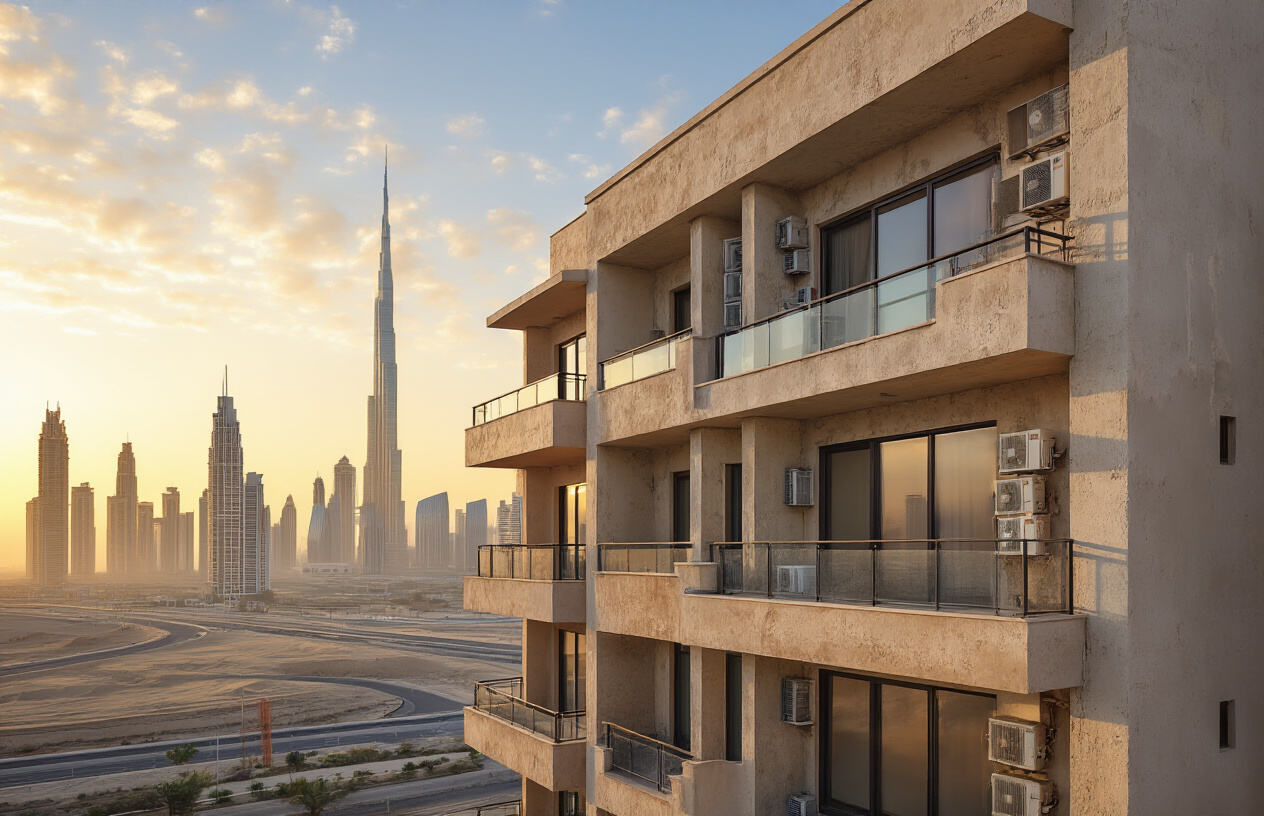
Dubai’s extreme desert climate creates a perfect storm of challenges that most property inspectors around the world never encounter. The combination of scorching heat, sandstorms, high humidity, and salt-laden air from the Persian Gulf creates unique stress patterns on buildings that require specialized knowledge during a comprehensive property inspection.
Temperature fluctuations in Dubai regularly swing from 45°C (113°F) during summer days to relatively cooler nights, causing constant expansion and contraction cycles in building materials. This thermal cycling weakens concrete joints, creates micro-fractures in facades, and compromises waterproofing systems over time. Steel reinforcement bars expand at different rates than surrounding concrete, leading to internal stress that professional inspectors must identify before it becomes visible damage.
The city’s proximity to the coast brings salt-laden moisture that accelerates corrosion of metal components, particularly in high-rise buildings where wind carries salt spray to upper floors. Balcony railings, window frames, and structural steel connections face constant exposure to this corrosive environment. Property inspection experts use specialized equipment to detect early signs of corrosion that building owners might miss during routine maintenance checks.
Sand infiltration presents another layer of complexity. Fine desert particles work their way into HVAC systems, elevator mechanisms, and building envelope joints. Over time, this abrasive material wears down moving parts and blocks drainage systems, leading to water damage during rare but intense rainfall events. Experienced inspectors know to check for sand accumulation in areas where building occupants wouldn’t think to look.
UV radiation in Dubai reaches extreme levels year-round, breaking down roofing materials, external sealants, and building membrane systems much faster than in temperate climates. What might last 15-20 years in European conditions often requires replacement every 7-10 years in Dubai’s harsh environment. Professional property inspection teams understand these accelerated deterioration patterns and adjust their evaluation criteria accordingly.
Dubai’s skyline showcases some of the world’s most ambitious construction projects, but these architectural marvels come with inspection challenges that require deep technical expertise. The city’s building codes have evolved rapidly to address the unique demands of super-tall structures in extreme climate conditions, creating layers of complexity that only experienced property inspection professionals can properly navigate.
Wind load calculations become critical factors in Dubai’s high-rise buildings, where structures must withstand both regular wind patterns and occasional sandstorms with drastically reduced visibility. Building sway, while normal in tall structures, requires careful monitoring to ensure it stays within safe parameters. Professional inspectors use specialized sensors and measurement tools to verify that actual building movement aligns with original engineering calculations.
Fire safety systems in Dubai’s high-rises operate under more stringent requirements than most international standards due to the extreme heat and potential for rapid fire spread. Property inspection teams must verify that pressurization systems, smoke evacuation mechanisms, and emergency lighting function correctly across all floors. The city’s fire department has specific requirements for building access, water pressure systems, and emergency communication networks that inspectors must thoroughly evaluate.
Elevator systems in Dubai’s tall buildings face unique stresses from constant temperature changes, sand infiltration, and heavy usage patterns common in residential towers. Modern property inspection protocols include detailed evaluation of elevator safety systems, backup power supplies, and mechanical wear patterns specific to desert operating conditions. Many buildings rely on multiple elevator banks, and failure of one system can create serious safety and accessibility issues.
Window and curtain wall systems in high-rise buildings must withstand extreme temperature differentials, high winds, and thermal expansion cycles that exceed most international design standards. Professional inspectors examine glazing systems, weather sealing, and structural connections for signs of stress or failure that could compromise building envelope integrity. Water infiltration during occasional heavy rainfall can cause extensive damage if these systems aren’t properly maintained.
Building services integration becomes increasingly complex as building height increases. Electrical systems, plumbing networks, HVAC distribution, and telecommunications infrastructure must function reliably across dozens of floors while maintaining energy efficiency standards. Property inspection experts evaluate these interconnected systems to identify potential failure points that could affect entire sections of a building.
Dubai’s transformation from desert trading post to global metropolis happened at breakneck speed, creating unique quality control challenges that affect property inspection practices today. The city’s construction boom periods brought together international contractors, diverse building standards, and varying quality control practices that created inconsistencies across different development phases.
Construction material sourcing during peak development periods sometimes prioritized speed over optimal quality, as suppliers struggled to meet massive demand for concrete, steel, and specialized building components. Property inspection professionals understand these historical patterns and adjust their evaluation methods based on when specific buildings were constructed. Projects completed during certain boom periods require more thorough investigation of material quality and construction methods.
Labor force diversity brought both international expertise and varying skill levels to Dubai’s construction sites. While many projects benefited from world-class engineering and construction teams, others faced challenges with quality control consistency. Experienced property inspectors recognize construction techniques and finish quality patterns that indicate which projects received optimal supervision and which might require more detailed evaluation.
Building code evolution in Dubai accelerated rapidly as the city learned from international best practices while adapting to local conditions. Early developments might not include features now considered standard for Dubai’s climate, such as enhanced thermal insulation, improved drainage systems, or upgraded fire safety measures. Property inspection teams must understand these regulatory changes to properly evaluate buildings constructed under different code versions.
Quality assurance systems varied significantly across different developers and construction periods. Some projects implemented rigorous testing protocols for concrete strength, waterproofing effectiveness, and systems integration, while others relied on less comprehensive quality control measures. Professional inspectors use this historical knowledge to focus their evaluation efforts on areas most likely to show quality-related issues.
Documentation standards also evolved during Dubai’s rapid development phase. Earlier projects might have incomplete as-built drawings, limited warranty information, or missing commissioning reports for building systems. Property inspection professionals must often conduct more extensive investigative work on these properties to establish baseline conditions and identify potential maintenance requirements.
Dubai’s unique position as a global city with strong cultural foundations creates specific compliance requirements that affect property inspection practices. Understanding these cultural and regulatory nuances helps property buyers and investors make informed decisions about their real estate investments.
Building orientation and design elements often incorporate Islamic architectural principles that affect both aesthetic appeal and functional performance. Property inspection professionals must understand how traditional design elements like mashrabiya screens, courtyard layouts, and directional considerations impact building performance in modern constructions. These features can affect natural lighting, ventilation patterns, and privacy considerations that influence property value.
Prayer room requirements in residential and commercial buildings create specific ventilation, acoustic, and directional orientation needs that must be properly maintained. Professional property inspections include evaluation of these specialized spaces to ensure they meet both regulatory requirements and functional needs for building occupants.
Water usage and conservation systems in Dubai operate under strict regulations designed to manage precious water resources in the desert environment. Property inspection teams must verify that buildings comply with water recycling requirements, greywater management systems, and irrigation restrictions that affect both compliance and operating costs.
Energy efficiency standards in Dubai have become increasingly stringent as the city pursues sustainability goals while managing extreme cooling loads. Buildings must meet specific thermal performance criteria, lighting efficiency standards, and renewable energy integration requirements. Professional inspectors evaluate these systems to ensure ongoing compliance with evolving energy regulations.
Parking and transportation infrastructure requirements reflect Dubai’s car-centric culture while accommodating growing public transportation networks. Property inspection includes verification that parking ratios, electric vehicle charging infrastructure, and accessibility features meet current regulatory standards and cultural expectations.
Cultural privacy considerations affect building design, balcony layouts, and window positioning in ways that impact both compliance and market acceptance. Property inspection professionals understand these cultural factors and evaluate how well buildings balance privacy requirements with natural lighting, ventilation, and views that affect property desirability.
Regulatory documentation in Dubai requires specific certifications, maintenance records, and compliance reports that international property buyers might not expect. Professional property inspection services include verification of all required documentation and identification of any compliance gaps that could affect property ownership or future sale prospects.
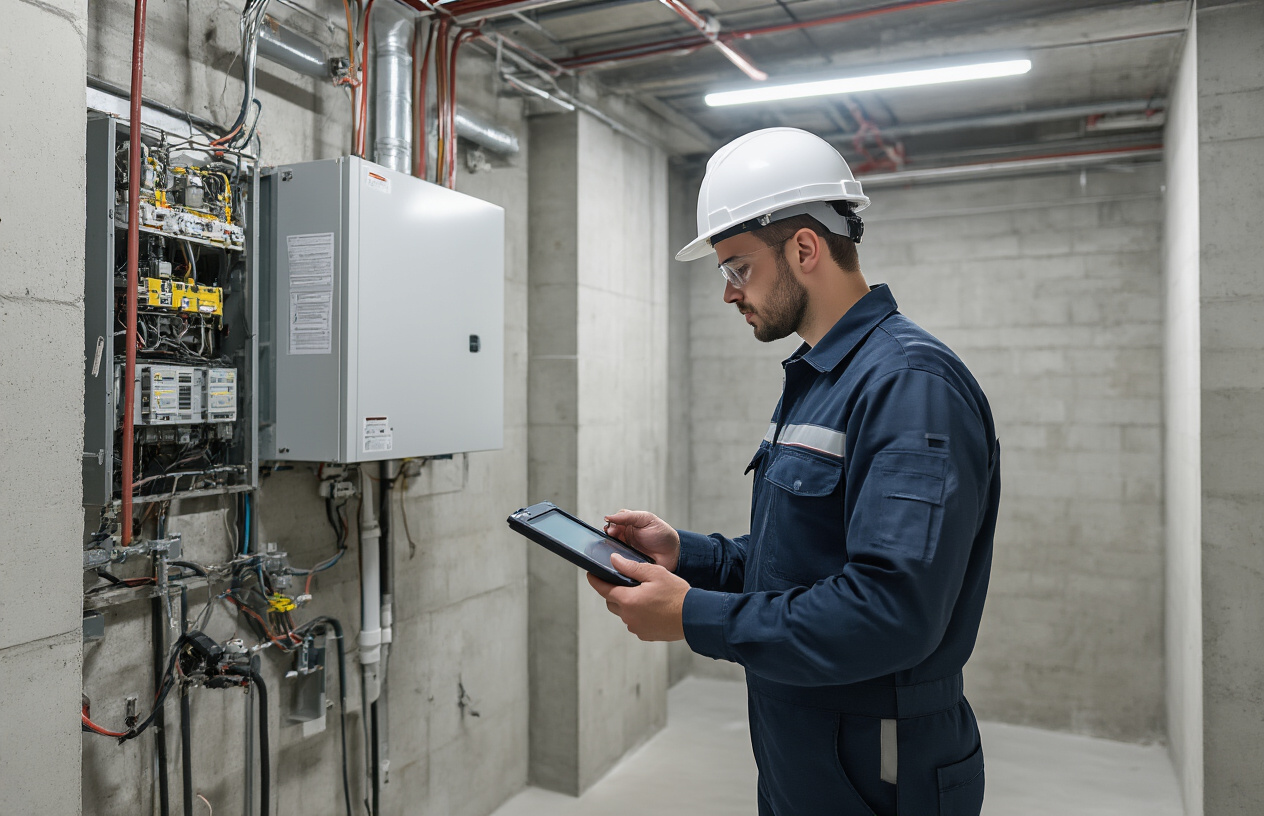
Dubai’s scorching climate places enormous demands on air conditioning systems, making HVAC evaluation one of the most critical components of any comprehensive property inspection. The extreme temperatures that can soar beyond 50°C during summer months mean these systems work around the clock, consuming substantial energy and experiencing significant wear.
Modern properties in Dubai typically feature sophisticated central air conditioning systems that go far beyond basic cooling. These systems incorporate zone control, humidity management, and energy recovery ventilation. A professional property inspection examines each component of these complex networks, starting with the main cooling units positioned on rooftops or mechanical floors. Inspectors assess the condition of compressors, condensers, and evaporator coils, looking for signs of corrosion, refrigerant leaks, or mechanical wear that could lead to costly failures.
The ductwork inspection reveals hidden issues that property buyers rarely consider. In Dubai’s dusty environment, ducts accumulate sand and debris that restricts airflow and reduces efficiency. Poorly sealed ducts can waste up to 30% of conditioned air, dramatically increasing utility costs. Professional inspectors use specialized cameras to examine ductwork interiors, checking for proper insulation, secure connections, and adequate sizing for the property’s cooling load.
Energy efficiency assessments have become increasingly important as Dubai implements stricter building regulations and utility costs rise. Inspectors evaluate the system’s SEER (Seasonal Energy Efficiency Ratio) ratings, thermostat programming capabilities, and integration with building management systems. Smart thermostats and occupancy sensors can significantly reduce energy consumption, but their proper installation and calibration require expert verification.
The inspection process includes testing actual cooling performance against manufacturer specifications. This involves measuring temperature differentials, airflow rates at various vents, and system cycling patterns. Infrared thermal imaging helps identify hot spots that indicate insulation gaps or equipment malfunctions that aren’t visible to the naked eye.
Many Dubai properties feature district cooling systems that connect to centralized chiller plants. These systems require specialized knowledge to assess properly, as the property’s cooling efficiency depends on both internal distribution systems and the external cooling supply. Inspectors examine the heat exchangers, circulation pumps, and monitoring systems that ensure optimal performance within these networks.
Water systems in Dubai properties present unique challenges that demand thorough professional evaluation. The emirate’s reliance on desalinated water creates specific maintenance requirements, while the intense heat affects pipe materials and water pressure throughout buildings. A comprehensive property inspection examines every aspect of the plumbing infrastructure, from main supply lines to individual fixtures.
Dubai’s water supply system operates under high pressure to serve tall buildings efficiently, but this same pressure can stress residential plumbing systems. Professional inspectors measure water pressure at multiple points throughout the property, checking for pressure regulators, expansion tanks, and pressure relief valves that protect the system from damage. Excessive pressure can cause pipe joints to fail, while insufficient pressure indicates potential supply issues or internal blockages.
The quality of pipe materials becomes crucial in Dubai’s environment. Older properties may contain galvanized steel pipes that corrode rapidly due to the mineral content in desalinated water. Modern properties typically use copper or PEX piping, but installation quality varies significantly. Inspectors examine pipe routing, support systems, and joint integrity, looking for signs of electrolysis, stress cracking, or improper installation that could lead to leaks.
Hot water systems require special attention in Dubai properties. Solar water heating systems are common and environmentally beneficial, but they need regular maintenance to function efficiently. Inspectors evaluate solar collectors, storage tanks, circulation pumps, and backup heating elements. Traditional electric or gas water heaters face additional challenges from the hard water conditions, requiring assessment of heating elements, temperature sensors, and safety systems.
Drainage systems in Dubai must handle both wastewater and occasional heavy rainfall that can overwhelm inadequate infrastructure. Professional inspections include testing drain flow rates, examining trap seals that prevent sewer gas infiltration, and checking sump pump systems in basement areas. Video camera inspections of main drain lines can reveal root intrusion, pipe deterioration, or blockages that aren’t apparent from surface-level testing.
Swimming pools and water features are common in Dubai properties and require specialized plumbing evaluation. These systems include circulation pumps, filtration equipment, chemical dosing systems, and heating elements that must work reliably in the harsh climate. Inspectors assess equipment condition, pipe integrity, and safety systems that prevent accidents or equipment damage.
Water conservation features are increasingly important as Dubai implements sustainability initiatives. Low-flow fixtures, greywater recycling systems, and rainwater collection systems require proper installation and maintenance to function effectively. Professional inspectors verify these systems meet local regulations and operate as intended.
Electrical systems in Dubai properties have evolved rapidly to accommodate modern lifestyle demands and smart home technologies. The intense heat places additional stress on electrical components, while the increasing integration of automation systems creates complex networks that require expert evaluation during property inspections.
Dubai’s electrical infrastructure operates on 230V single-phase and 380V three-phase systems, with specific requirements for different property types. Professional inspectors begin by examining the main electrical service entrance, checking meter connections, main breakers, and grounding systems. The electrical panel receives thorough scrutiny, as improper installation or component failures can create fire hazards or power quality issues.
Circuit loading analysis reveals whether the electrical system can handle current and future demands. Modern Dubai properties typically feature numerous high-power appliances, multiple air conditioning zones, and extensive lighting systems. Inspectors calculate actual load requirements and compare them to circuit capacities, identifying potential overload conditions that could cause breakers to trip or create safety hazards.
The integration of smart home technology has transformed electrical system complexity. Modern properties feature automated lighting controls, security systems, entertainment networks, and building management systems that all require proper electrical infrastructure. Professional inspections evaluate network cabling, power supplies for electronic systems, and surge protection equipment that protects expensive technology investments.
GFCI (Ground Fault Circuit Interrupter) protection is mandated in Dubai properties for areas with water exposure, but proper installation varies significantly. Inspectors test GFCI outlets and breakers to ensure they respond correctly to ground fault conditions. Arc fault circuit interrupters, which prevent electrical fires from damaged wiring, require similar testing to verify proper operation.
Lighting systems in Dubai properties often include energy-efficient LED fixtures, automated controls, and outdoor landscape lighting that operates year-round. Professional inspectors examine fixture installations, dimmer compatibility, and control system programming. Emergency lighting systems required in commercial and multi-family properties receive special attention to ensure they activate properly during power outages.
Power quality issues can damage sensitive electronic equipment common in modern homes. Inspectors use specialized meters to measure voltage stability, harmonic distortion, and power factor. These measurements reveal potential problems with electrical supply or internal wiring that could affect smart home systems, computers, and other electronic devices.
Backup power systems are increasingly common in Dubai properties, ranging from simple UPS units to whole-house generators. Professional inspections evaluate automatic transfer switches, fuel systems, battery backup units, and control systems that ensure reliable operation during power outages.
Fire safety systems in Dubai properties must meet stringent international standards adapted for the region’s unique environmental and architectural challenges. The combination of extreme heat, high-rise construction, and dense urban development creates specific fire risks that require comprehensive evaluation during property inspections.
Smoke detection systems form the first line of defense against fire hazards. Modern Dubai properties typically feature addressable fire alarm systems that can identify the specific location of smoke or heat detection. Professional inspectors test each smoke detector, heat detector, and manual pull station to ensure proper operation and communication with the central control panel. The system’s backup battery capacity receives evaluation to ensure continued operation during power outages.
Sprinkler systems in Dubai face unique challenges from the extreme heat and potential water quality issues. Professional inspections examine sprinkler heads for proper coverage patterns, signs of corrosion, and adequate water pressure throughout the system. The main fire pump and backup systems require testing to ensure they can deliver required water flow rates to all areas of the property. Dry pipe systems, common in areas subject to freezing or where water damage concerns exist, need special attention to verify air pressure and valve operation.
Fire suppression systems extend beyond traditional sprinklers in many Dubai properties. Kitchen hood suppression systems, server room clean agent systems, and parking garage CO detection systems all require specialized knowledge to evaluate properly. Each system type has specific testing requirements and maintenance schedules that professional inspectors verify through documentation review and functional testing.
Emergency evacuation systems must account for Dubai’s high-rise architecture and diverse population. Emergency lighting systems require testing under simulated power outage conditions to ensure adequate illumination of escape routes. Exit signs need verification for proper placement, visibility, and backup power operation. Public address systems used for emergency communications receive testing to ensure clear sound distribution throughout the property.
Stairwell pressurization systems prevent smoke infiltration during emergencies by maintaining positive air pressure in escape routes. These systems require sophisticated fans, dampers, and control systems that professional inspectors evaluate for proper operation and maintenance. The integration with building management systems ensures automatic activation during fire alarm conditions.
Fire-rated construction elements require visual inspection and documentation review to verify their integrity. Fire doors, fire-rated walls, and floor penetration seals all play crucial roles in containing fires and providing safe evacuation time. Professional inspectors examine these elements for proper installation, maintenance, and compliance with local fire codes.
Elevator emergency operations become critical during fire emergencies. Inspectors verify that elevator systems include proper fire service operation, emergency communication systems, and backup power for evacuation assistance. The coordination between fire alarm systems and elevator controls ensures elevators respond appropriately during emergency conditions.
Fire department access and water supply systems require evaluation to ensure emergency responders can effectively combat fires. This includes examining fire department connections, hydrant systems, and access routes that must remain clear and functional. Professional inspectors verify these systems meet local fire department requirements and international standards adapted for Dubai’s unique urban environment.

Dubai’s unique desert environment creates specific challenges that property owners and buyers rarely consider during their initial assessment. The sandy soil composition throughout the emirate poses distinct structural concerns that require specialized evaluation during a comprehensive property inspection.
Sandy soil naturally shifts and settles over time, creating potential foundation movement that can lead to significant structural problems. Unlike clay or bedrock foundations found in other parts of the world, Dubai’s sandy substrate requires specific engineering solutions and ongoing monitoring. Professional inspectors understand these local geological conditions and can identify early warning signs that untrained eyes miss completely.
The most common foundation issues in Dubai properties include differential settling, where different sections of a building settle at varying rates. This creates uneven stress distribution throughout the structure, leading to cracks in walls, door frame misalignment, and window operation problems. These symptoms often appear gradually, making them difficult for property owners to notice until damage becomes extensive.
Modern construction in Dubai typically employs deep foundation systems, including driven piles or drilled shafts that extend down to more stable soil layers or bedrock. However, older properties might rely on shallow foundations that are particularly vulnerable to sandy soil movement. A thorough property inspection evaluates the foundation type and assesses its current condition relative to local soil characteristics.
Ground-penetrating radar technology helps inspectors examine foundation integrity without invasive excavation. This method reveals void spaces around foundation elements, identifies areas where soil has shifted away from structural components, and detects potential undermining that could compromise building stability. The inspection process also includes evaluation of drainage systems around the foundation perimeter, since water infiltration can accelerate soil movement and foundation settlement.
Wind-blown sand accumulation presents another unique challenge for Dubai properties. Sand can build up against foundation walls, creating hydrostatic pressure and potentially compromising waterproofing systems. Professional inspectors examine grade levels around buildings to ensure proper drainage away from structures and identify areas where sand accumulation might be creating problems.
Foundation anchor systems and tie-downs receive special attention during Dubai property inspections, particularly for structures built in areas with high wind exposure. The combination of sandy soil and extreme weather conditions requires robust foundation-to-structure connections that may not be standard in other geographic regions.
Dubai’s harsh climate creates an aggressive environment for concrete structures, with extreme temperatures, high humidity, and salt air from the Persian Gulf accelerating deterioration processes. Understanding these environmental factors is crucial for identifying potential concrete problems during property inspection.
Temperature fluctuations between scorching summer heat and cooler winter conditions cause concrete to expand and contract repeatedly. This thermal cycling creates micro-fractures that allow moisture and contaminants to penetrate deeper into the concrete matrix. Over time, these small cracks become pathways for more serious deterioration, including reinforcement corrosion and spalling.
Salt-laden air from the nearby coastline poses particular risks for concrete structures throughout Dubai. Chloride ions from salt spray penetrate concrete and reach embedded steel reinforcement, initiating corrosion processes that can compromise structural integrity. This problem affects buildings several kilometers inland, not just waterfront properties, due to prevailing wind patterns that carry salt spray across the emirate.
Advanced inspection techniques use cover meters and half-cell potential testing to evaluate reinforcement condition without destructive testing. Cover meters measure the depth of concrete covering steel reinforcement bars, while half-cell potential testing identifies areas where active corrosion is occurring. These non-destructive methods provide accurate assessment of reinforcement condition and help predict future maintenance needs.
Concrete carbonation represents another significant concern in Dubai’s environment. Carbon dioxide from urban pollution and vehicle emissions reacts with concrete alkalinity, reducing the pH level that normally protects embedded steel reinforcement. Carbonation depth testing reveals how far this process has progressed and helps predict when reinforcement corrosion might begin.
Visual inspection techniques focus on identifying surface indicators of concrete deterioration, including hairline cracks, surface scaling, efflorescence, and rust staining. Each type of surface distress provides clues about underlying problems and helps inspectors determine which areas require more detailed investigation.
Spalling concrete, where surface layers break away from the main structure, often indicates advanced reinforcement corrosion. When steel reinforcement corrodes, it expands and creates internal pressure that literally pushes concrete away from the rebar matrix. This process represents a serious structural concern that requires immediate attention and professional repair.
Core sampling provides definitive concrete quality assessment when visual inspection and non-destructive testing indicate potential problems. Laboratory analysis of concrete cores reveals compressive strength, chloride content, carbonation depth, and other critical parameters that determine structural adequacy and remaining service life.
Construction joint integrity receives special attention during concrete evaluation. Poor construction practices during the building boom period led to inadequate joint sealing and waterproofing in some properties. These deficiencies create entry points for water and contaminants that accelerate concrete deterioration processes.
Dubai’s extreme weather conditions create unique challenges for building waterproofing systems that require specialized evaluation during comprehensive property inspections. The combination of intense heat, occasional heavy rainfall, and high humidity levels tests waterproofing materials beyond their typical design parameters.
Membrane waterproofing systems on rooftops face particularly harsh conditions in Dubai’s climate. Ultraviolet radiation from intense sunlight breaks down polymer-based membranes over time, creating brittleness and eventual cracking. Temperature extremes cause expansion and contraction that can separate membrane seams and create entry points for water infiltration.
Professional inspectors use infrared thermography to detect moisture trapped within building assemblies that indicate waterproofing failures. This non-invasive technique identifies temperature differences caused by evaporative cooling from hidden moisture, revealing problem areas that aren’t visible during standard visual inspection.
Below-grade waterproofing presents unique challenges in Dubai due to the high water table in some areas and occasional groundwater fluctuations. Basement and parking garage waterproofing systems must withstand both positive and negative hydrostatic pressure while dealing with soil chemistry that can be aggressive to waterproofing materials.
Expansion joint waterproofing requires special attention in Dubai’s climate due to significant thermal movement between building materials. Joints that work adequately in moderate climates may fail prematurely under Dubai’s temperature extremes. Inspection focuses on joint sealant condition, movement accommodation, and drainage provisions.
Swimming pool and water feature waterproofing evaluation involves testing both structural waterproofing and finish materials. The combination of chlorinated water, intense sunlight, and temperature variations creates challenging conditions for pool waterproofing systems. Advanced leak detection methods can identify exactly where water loss is occurring without destructive investigation.
Balcony and terrace waterproofing failures represent common problems in Dubai properties, particularly in older construction. Poor drainage design, inadequate slope, and waterproofing material failures allow water to penetrate into structural elements and interior spaces. Professional inspection includes drainage system evaluation and water penetration testing under controlled conditions.
Window and curtain wall waterproofing assessment involves both material evaluation and installation quality review. Sealant materials that perform well in moderate climates may fail prematurely in Dubai’s harsh environment. Advanced inspection techniques include controlled water testing and air leakage testing to identify potential infiltration paths.
Moisture meter testing throughout building interiors helps identify areas where waterproofing failures are allowing moisture penetration. Different materials require specific moisture measurement techniques, and experienced inspectors understand how to interpret readings relative to local climate conditions and building materials.
Vapor barrier evaluation becomes critical in Dubai’s humid environment, particularly in buildings with significant air conditioning loads. Inadequate vapor barriers allow moisture to penetrate building assemblies where it can condense and cause material deterioration, mold growth, and indoor air quality problems.
Building envelope pressure testing helps identify air leakage paths that can allow moisture intrusion during wind-driven rain events. This testing method reveals construction defects and material failures that might not be apparent during visual inspection but create significant moisture infiltration risks during severe weather.
Drainage system capacity evaluation ensures that waterproofing systems have adequate means for managing water loads during Dubai’s intense but infrequent rainfall events. Undersized drains and inadequate slope can overwhelm even properly functioning waterproofing systems, leading to water infiltration and structural damage.

Professional property inspections create detailed, certified condition reports that serve as powerful tools for preserving your investment’s market value. These comprehensive documents provide an unbiased snapshot of your property’s current state, establishing a benchmark that can significantly impact future resale negotiations and market positioning.
When you receive a certified condition report from a qualified inspector, you’re getting more than just a list of issues. You’re obtaining official documentation that demonstrates due diligence and transparency to potential buyers. This transparency builds confidence and can justify asking prices, especially in Dubai’s competitive real estate market where buyers often scrutinize properties extensively before making purchase decisions.
The certification aspect carries particular weight because it comes from licensed professionals who stake their reputation on the accuracy of their findings. This third-party validation removes the emotional component from property assessments, providing objective data that both sellers and buyers can trust during negotiations.
Certified reports also help maintain property values by identifying minor issues before they escalate into major problems. A small leak documented early can be addressed with minimal cost, preventing the extensive water damage that could significantly impact market value. The same principle applies to electrical issues, structural concerns, and HVAC problems that, when caught early through professional inspection, can be resolved without affecting the property’s marketability.
Banks and financial institutions increasingly recognize the value of certified condition reports when processing mortgage applications and refinancing requests. Properties with recent, positive inspection reports often move through approval processes more smoothly, as lenders view them as lower-risk investments. This streamlined approval process can be particularly valuable in Dubai’s fast-moving real estate market.
The documentation standards for certified reports in Dubai follow strict guidelines that ensure consistency and reliability across different inspection companies. These standards specify the level of detail required, the format for presenting findings, and the qualifications inspectors must maintain. Property owners who invest in these certified reports benefit from this standardization, as their documentation will be readily understood and accepted by various stakeholders in future transactions.
Professional property inspections provide invaluable insights into upcoming maintenance needs, allowing property owners to budget effectively and avoid unexpected financial surprises. Experienced inspectors don’t just identify current problems; they assess the remaining lifespan of various building components and predict when maintenance or replacement will be necessary.
HVAC systems represent one of the most significant maintenance expenses in Dubai properties, and professional inspectors can accurately assess these systems’ condition and remaining operational life. They examine components like compressors, ductwork, filters, and thermostats to provide realistic timelines for service intervals and eventual replacement. This information helps property owners budget for major expenses that could range from AED 15,000 to AED 50,000 depending on the system size and complexity.
Plumbing assessments reveal the condition of pipes, fixtures, and water pressure systems throughout the property. Inspectors can identify signs of corrosion, mineral buildup, or wear that indicates approaching replacement needs. In Dubai’s harsh water conditions, this information proves particularly valuable as mineral deposits can significantly reduce plumbing lifespan. Professional assessments help owners plan for pipe replacements, fixture updates, and water filtration system installations before emergency situations arise.
Electrical system evaluations provide crucial budgeting information about panel upgrades, wiring replacements, and safety improvements. Dubai’s evolving electrical codes and the increasing power demands of modern appliances often require system upgrades that can cost between AED 10,000 and AED 30,000. Professional inspectors identify these needs early, allowing owners to plan and budget appropriately rather than facing emergency electrical work.
Building envelope components like windows, doors, and weatherproofing require regular attention in Dubai’s extreme climate. Professional inspections assess the condition of seals, frames, and protective coatings to predict when replacements or major maintenance will be needed. This information helps owners budget for projects that maintain energy efficiency and prevent water intrusion.
The financial planning benefits extend beyond individual component replacement costs. Professional inspectors provide comprehensive maintenance schedules that help owners spread expenses over time rather than facing multiple large expenses simultaneously. They can recommend prioritization strategies that address the most critical items first while planning for less urgent needs.
Property management companies particularly value these budgeting insights as they help create accurate reserve fund calculations and maintenance schedules. Building owners can use this information to set appropriate rental rates that account for upcoming maintenance costs, ensuring profitability while maintaining property standards.
Professional property inspection documentation serves as crucial legal protection against undisclosed defects that could result in costly disputes or financial losses. In Dubai’s real estate market, where property transactions involve substantial sums, having comprehensive inspection records can mean the difference between successful legal recourse and expensive litigation with uncertain outcomes.
The legal framework surrounding property defects in Dubai places specific obligations on sellers to disclose known issues. When buyers discover undisclosed defects after purchase, they may pursue legal action for damages, repairs, or even contract rescission. Professional inspection reports provide the evidence necessary to support these claims by establishing timelines, documenting conditions, and proving that defects existed before the sale.
Pre-purchase inspections create a detailed record of property conditions that can be referenced if disputes arise. If a seller claims that damage occurred after the sale, a comprehensive inspection report with photographs and detailed descriptions can definitively establish when issues were present. This documentation becomes invaluable evidence in legal proceedings, as courts rely heavily on professional assessments when determining liability.
The inspection process itself provides legal protection by requiring properties to be thoroughly examined by qualified professionals. These inspectors follow established protocols and use standardized reporting methods that meet legal documentation requirements. Their professional licenses and insurance coverage add credibility to their findings, making their reports more persuasive in legal contexts.
Dubai’s real estate regulations include specific provisions for property defect claims, and professional inspection reports align with the evidence requirements outlined in these regulations. The detailed nature of professional reports, including photographs, measurements, and technical assessments, meets the evidentiary standards expected by Dubai’s courts and regulatory bodies.
Professional inspectors also understand the legal significance of their findings and document issues in ways that support potential legal claims. They use precise language, avoid speculation, and focus on observable facts that can withstand legal scrutiny. This professional approach to documentation significantly strengthens any legal position property owners might need to defend.
The timing of inspections also provides legal advantages. Pre-sale inspections by sellers demonstrate good faith efforts to identify and disclose issues, potentially reducing liability exposure. Post-purchase inspections by buyers create documented baselines that can support future claims if undisclosed defects are discovered.
Professional property inspection documentation provides essential support for insurance claims, offering the detailed evidence insurers require to process claims efficiently and fairly. Insurance companies rely heavily on professional assessments to determine coverage, validate claims, and establish appropriate settlement amounts.
When property damage occurs, insurance adjusters need comprehensive documentation that establishes pre-loss conditions and accurately describes the extent of damage. Professional inspection reports create this baseline documentation, showing the property’s condition before incidents occur. This pre-loss documentation proves invaluable when adjusters need to distinguish between existing issues and new damage covered by insurance policies.
The photographic evidence included in professional inspection reports provides visual proof that supports insurance claims. High-quality images showing specific conditions, damage patterns, and affected areas help adjusters understand the scope of problems without requiring immediate site visits. This visual documentation can accelerate claim processing and reduce disputes about coverage decisions.
Technical assessments from qualified inspectors carry significant weight with insurance companies because these professionals understand building systems and can accurately identify damage causes. When inspectors determine that damage results from covered perils like storms, floods, or structural failures, their professional opinions support policyholder positions during claim negotiations.
Professional inspection reports also help establish damage timelines that are crucial for insurance coverage determinations. Many policies include specific timeframes for reporting claims and exclude coverage for gradual damage or pre-existing conditions. Professional documentation can clearly establish when damage occurred and whether it falls within covered timeframes.
The standardized reporting formats used by professional inspectors align with insurance industry requirements, making their reports readily understandable to adjusters and claims processors. This compatibility reduces processing delays and miscommunications that can complicate claim resolution.
Professional inspectors often work directly with insurance companies during claim investigations, providing additional expertise and clarification as needed. Their ongoing involvement can help ensure that all damage is properly identified and that settlement amounts accurately reflect repair or replacement costs.
The cost-benefit analysis of professional inspection documentation becomes clear when major insurance claims arise. The relatively modest investment in professional inspection services can result in significantly higher insurance settlements and faster claim resolution. Property owners who maintain current inspection records often recover more of their losses and experience less stress during the claims process.
Professional inspection documentation also supports supplemental claims that may arise after initial settlements. If additional damage is discovered during repairs, having comprehensive pre-loss documentation helps establish that this damage was part of the original incident and should be covered under the existing claim.
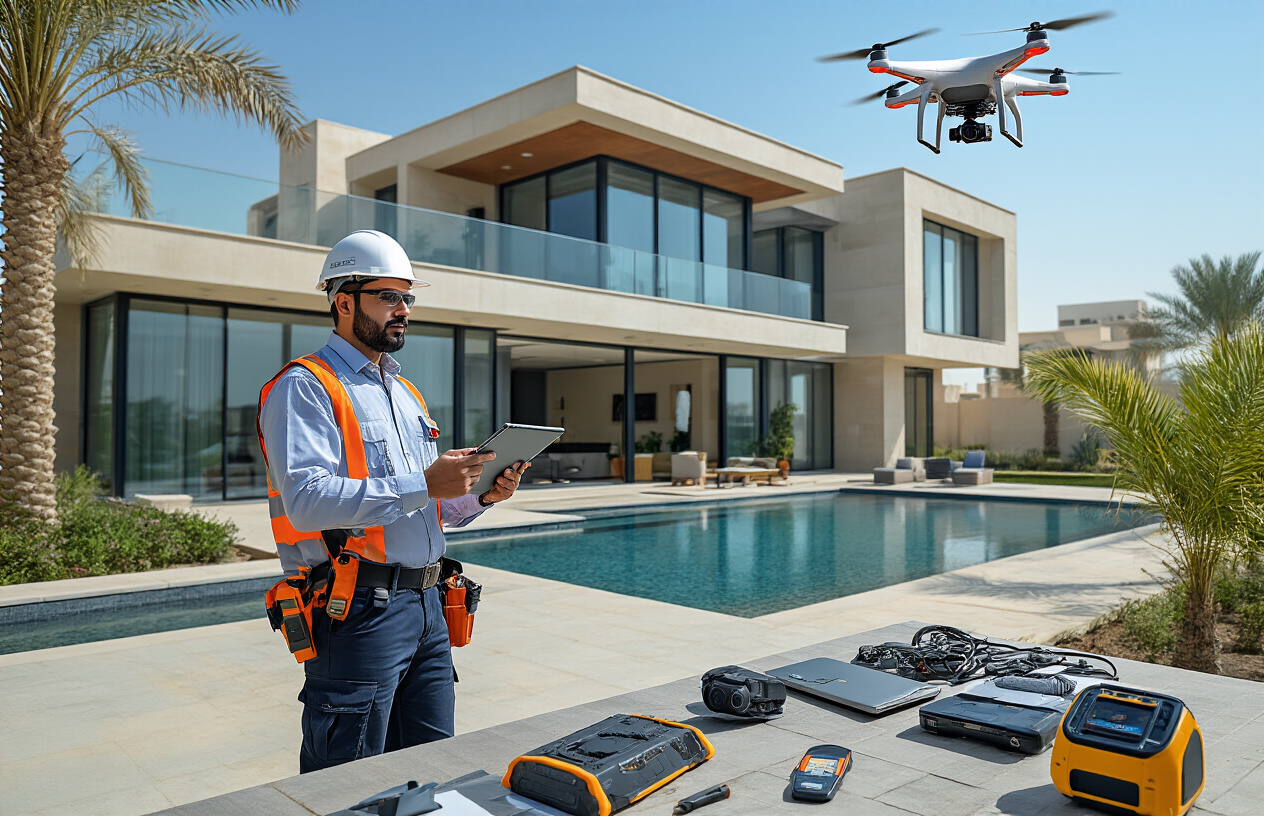
Dubai’s extreme climate conditions create unique challenges that traditional visual inspections simply can’t detect. Thermal imaging cameras have revolutionized property inspection by revealing temperature variations that signal hidden problems. These sophisticated devices capture infrared radiation, converting it into detailed thermal maps that expose issues invisible to the naked eye.
Water intrusion represents one of the most significant threats to property integrity in Dubai’s humid coastal environment. Thermal imaging excels at detecting moisture behind walls, around windows, and in ceiling areas where traditional inspection methods fail. When water infiltrates building materials, it creates distinct thermal signatures that appear as cooler areas on thermal images. Professional inspectors can identify these patterns early, preventing extensive damage that could cost property owners thousands of dirhams in repairs.
Electrical systems benefit tremendously from thermal imaging analysis. Overloaded circuits, loose connections, and faulty wiring generate excess heat that thermal cameras detect immediately. In Dubai’s high-rise developments, where electrical systems power everything from air conditioning units to elevator systems, these hidden electrical issues pose serious safety risks. Thermal imaging allows inspectors to pinpoint problem areas without removing wall coverings or disrupting building operations.
HVAC system evaluation becomes remarkably precise with thermal imaging technology. Dubai’s year-round air conditioning demands place enormous stress on cooling systems, leading to ductwork leaks, insulation gaps, and component failures. Thermal cameras reveal air leakage patterns, blocked ducts, and inefficient insulation that directly impact energy costs. Property owners can address these issues before they escalate into complete system failures.
Building envelope assessment gains new dimensions through thermal imaging. The technology identifies thermal bridging, where heat transfers through structural elements, compromising energy efficiency. In Dubai’s glass-heavy architecture, thermal imaging reveals window seal failures, curtain wall defects, and insulation discontinuities that traditional inspections miss entirely.
Professional thermal imaging equipment used in Dubai property inspections includes high-resolution cameras capable of detecting temperature differences as small as 0.1 degrees Celsius. These devices feature adjustable emissivity settings for different materials, laser targeting for precise measurements, and advanced software for detailed analysis and reporting.
Dubai’s skyline, dominated by towering structures and architectural marvels, presents unique inspection challenges that ground-based methods cannot adequately address. Drone technology has transformed exterior building assessments, providing access to previously unreachable areas while maintaining comprehensive documentation standards.
High-rise building exteriors face constant exposure to Dubai’s harsh environmental conditions, including intense UV radiation, sandstorms, and salt-laden coastal air. These factors accelerate material degradation on building facades, roofing systems, and architectural features. Drones equipped with high-resolution cameras capture detailed imagery of every exterior surface, revealing cracks, discoloration, material deterioration, and structural anomalies.
Facade inspection becomes dramatically more thorough with drone technology. Traditional methods requiring scaffolding, rope access, or aerial lifts create safety risks, significant costs, and operational disruptions. Drones eliminate these concerns while providing superior visual documentation. Advanced drone systems capture 4K video and high-resolution still images, allowing inspectors to examine facade materials, joint sealants, window systems, and cladding attachment points with exceptional detail.
Roofing system evaluation gains unprecedented accuracy through drone surveys. Dubai’s flat and low-slope roofs, designed to handle intense sun exposure and occasional heavy rainfall, require regular assessment to maintain their protective function. Drones reveal membrane damage, pooling water, HVAC equipment issues, and drainage problems that could lead to interior water damage. Thermal imaging drones add another layer of analysis, identifying insulation defects and moisture intrusion points.
Structural element assessment becomes possible at previously inaccessible heights and angles. Drones examine building corners, architectural projections, balcony structures, and decorative elements that might show signs of movement, cracking, or detachment. This comprehensive visual record helps structural engineers assess building condition and recommend maintenance priorities.
Safety barrier and fall protection system inspection represents a critical drone application in Dubai’s high-rise environment. Rooftop equipment areas, balcony railings, and perimeter barriers require regular assessment to ensure occupant safety. Drones provide detailed documentation of these systems without exposing inspection personnel to height-related risks.
Modern inspection drones feature stabilized camera systems, obstacle avoidance technology, and GPS positioning for precise flight patterns. Professional-grade drones used in Dubai property inspections include models with interchangeable camera systems, allowing thermal imaging, high-resolution photography, and video recording during single flights.
Flight planning software ensures comprehensive coverage while maintaining regulatory compliance with Dubai’s aviation authorities. Professional drone operators create detailed flight maps, accounting for building height restrictions, nearby airport zones, and weather conditions that might affect flight operations.
Dubai’s unique climate combines intense heat, high humidity, and occasional sandstorms, creating complex moisture and air quality challenges that require specialized detection equipment. Professional property inspection relies heavily on precise measurement tools that quantify these environmental factors and their impact on building systems.
Moisture detection technology serves as the foundation for preventing extensive property damage in Dubai’s humid environment. Pin-type moisture meters penetrate building materials to measure actual moisture content in wood, drywall, and other porous materials. These devices provide numerical readings that help inspectors determine whether moisture levels fall within acceptable ranges or indicate potential problems.
Pinless moisture meters offer non-invasive alternatives for moisture detection, using electromagnetic fields to scan material surfaces without creating holes or damage. This technology proves particularly valuable when assessing finished surfaces, tile installations, and decorative materials where penetration testing might cause cosmetic damage.
Deep-wall moisture detection requires specialized equipment capable of measuring moisture content several inches into wall assemblies. Dubai’s concrete construction often conceals moisture problems within thick walls, making surface-level testing insufficient. Advanced moisture meters with extended probe capabilities reach through stucco, concrete, and multi-layer wall systems to identify hidden moisture accumulation.
Relative humidity measurement becomes critical in Dubai’s climate-controlled environments. Digital hygrometers provide precise humidity readings that help assess indoor air quality and HVAC system performance. Proper humidity control prevents mold growth, protects building materials, and maintains comfortable living conditions despite extreme outdoor conditions.
Air quality testing equipment addresses Dubai’s unique atmospheric challenges, including sand particle infiltration, vehicle emissions, and industrial pollutants. Professional-grade air quality monitors measure multiple parameters simultaneously, including particulate matter concentrations, volatile organic compound levels, and carbon dioxide concentrations.
Particle counters specifically designed for Dubai’s dusty environment measure different size ranges of airborne particles. These devices help assess HVAC filtration effectiveness and identify potential indoor air quality problems caused by inadequate building sealing or ventilation system failures.
Formaldehyde testing becomes particularly relevant in Dubai’s new construction market, where building materials and furnishings may off-gas chemical compounds. Portable formaldehyde detectors provide real-time measurements and long-term monitoring capabilities to ensure indoor air meets health and safety standards.
Carbon monoxide detection requires specialized equipment in Dubai’s high-rise environment where parking garages, generators, and mechanical equipment create potential exposure risks. Professional-grade CO monitors with data logging capabilities help inspectors document baseline readings and identify areas of concern.
Mold spore testing equipment allows inspectors to collect air samples for laboratory analysis when visual mold growth isn’t apparent but moisture conditions suggest potential problems. Dubai’s climate creates ideal conditions for certain mold species, making this testing crucial for comprehensive property evaluation.
Integration of multiple testing technologies provides comprehensive environmental assessment. Professional inspectors combine moisture readings, humidity measurements, and air quality data to create complete pictures of property condition. This integrated approach helps property owners understand not just current conditions but potential future problems that might develop without proper maintenance.
Data logging capabilities in modern testing equipment allow continuous monitoring over extended periods. This feature proves valuable in Dubai’s variable climate conditions, where daily temperature and humidity swings can reveal problems that single-point measurements might miss.
Calibration and maintenance of testing equipment requires ongoing attention to ensure accurate results. Professional inspection companies maintain rigorous calibration schedules and equipment verification procedures to guarantee measurement accuracy and reliability.

A comprehensive property inspection in Dubai goes far beyond checking for visible cracks or broken tiles. From understanding the unique challenges that come with desert climate conditions to evaluating complex MEP systems and structural elements hidden from plain sight, professional inspections reveal critical information that can save you thousands of dirhams down the line. The detailed documentation and technology-enhanced methods used today provide investors with a complete picture of their property’s true condition.
Smart property buyers in Dubai know that skipping a thorough inspection is like buying a car without looking under the hood. With the investment stakes so high in Dubai’s real estate market, protecting your purchase through expert evaluation isn’t just recommended – it’s essential. Don’t let surface-level appearances fool you into making costly assumptions about your next property investment.