
Buying a new property in Dubai is exciting, but construction defects can quickly turn your dream investment into a costly nightmare. Property snagging Dubai services help buyers identify issues before they become expensive problems down the road.
This guide is for property buyers, investors, and homeowners in Dubai who want to protect their investment and avoid unexpected repair bills. Smart buyers know that spending on professional snagging upfront can save thousands later.
We’ll cover why Dubai’s rapid construction boom increases your risk of getting a defective property, the hidden costs that proper snagging prevents, and how professional services give you the legal leverage you need with developers. You’ll also learn how thorough snagging protects your property’s long-term value and saves you from headaches that other buyers face.
Understanding Property Snagging and Its Financial Impact
What property snagging involves and why it matters
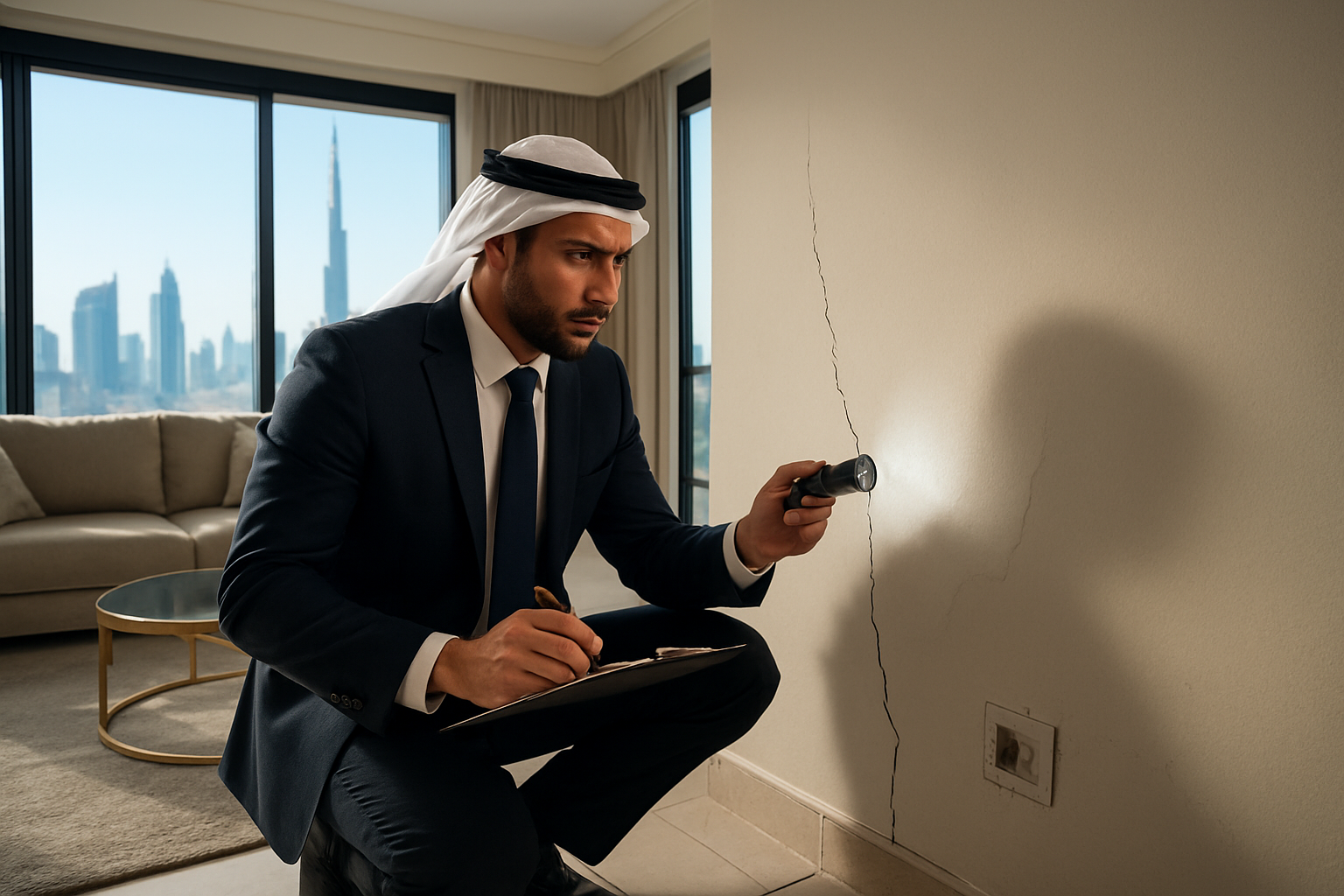
Property snagging Dubai represents a comprehensive inspection process that identifies defects, deficiencies, and incomplete work in newly constructed or recently renovated properties before final handover. This systematic examination involves trained professionals who meticulously scrutinize every aspect of a property, from major structural elements to minor finishing touches.
The process encompasses both visible and hidden defects that could significantly impact your property’s functionality, safety, and long-term value. Snagging inspectors examine electrical systems, plumbing installations, flooring alignment, paint finishes, door and window operations, kitchen appliances, bathroom fixtures, and countless other components that make up a modern Dubai property.
Professional snagging services use specialized equipment to detect issues that untrained eyes might miss. Thermal imaging cameras reveal insulation gaps and electrical hotspots, moisture meters identify dampness problems, and laser levels check for structural alignment issues. These tools help create a comprehensive defect list that developers must address before you accept the property.
The financial implications of skipping this crucial step can be staggering. Many property buyers in Dubai assume that newly constructed homes come defect-free, but construction realities tell a different story. Even properties built by reputable developers can harbor significant issues that become expensive problems later.
Quality control during Dubai’s rapid construction phase often gets compromised due to tight deadlines and high demand. Workers may rush installations, supervisors might overlook details, and materials could arrive damaged or substandard. These factors combine to create properties that look perfect on the surface but hide costly problems underneath.
Property owners who skip snagging often discover issues months or years later when warranty periods have expired. By then, repair costs fall entirely on the homeowner, turning what should have been the developer’s responsibility into your financial burden.
Common defects found in new Dubai properties
Dubai’s construction landscape presents unique challenges that frequently result in specific types of property defects. The extreme climate, rapid development pace, and diverse workforce contribute to recurring issues that professional snagging services regularly identify.
Electrical defects top the list of common problems in Dubai properties. Faulty wiring installations, incorrectly connected switches, non-functioning outlets, and inadequate earthing systems pose both safety risks and expensive repair bills. Many properties feature electrical panels with loose connections, circuit breakers that don’t match their intended loads, and lighting fixtures improperly installed.
Plumbing issues rank as another frequent discovery during property snagging inspections. Water pressure problems, leaking joints, incorrectly angled drainage pipes, and malfunctioning bathroom fixtures create immediate inconveniences and long-term damage risks. Hot water systems often suffer from poor installation, leading to inconsistent temperatures and excessive energy consumption.
Air conditioning systems, absolutely critical in Dubai’s climate, frequently exhibit installation errors. Poorly sealed ductwork, inadequate refrigerant levels, incorrectly positioned units, and insufficient ventilation create comfort issues while driving up electricity bills. Some properties feature AC units that can’t adequately cool spaces due to undersized equipment or improper placement.
Waterproofing defects present serious concerns in Dubai’s environment. Balcony membranes, bathroom sealing, roof installations, and exterior cladding often show signs of inadequate waterproofing. These issues become apparent during occasional rainfall but can cause extensive damage over time through humidity and condensation.
Flooring problems appear in various forms across Dubai properties. Tiles with hollow spots underneath, uneven surfaces, poor grouting, scratched marble, and incorrectly installed hardwood create both aesthetic and functional issues. Kitchen and bathroom floors often suffer from water damage due to poor installation practices.
Paint and finishing defects may seem minor but indicate underlying quality issues. Uneven paint application, visible brush marks, inadequate primer coverage, and color variations suggest rushed workmanship that extends beyond cosmetic concerns.
Door and window installations frequently exhibit alignment problems, poor sealing, hardware malfunctions, and security vulnerabilities. These issues affect energy efficiency, security, and daily usability while requiring expensive corrections after handover.
Kitchen appliance installations often reveal connection problems, ventilation issues, and compatibility concerns. Built-in appliances may not fit properly, electrical connections might be unsafe, and gas lines could pose safety risks.
Average cost of repairs when issues go undetected
The financial impact of undetected property defects in Dubai can reach astronomical levels, particularly when problems remain hidden until warranty periods expire. Understanding these potential costs helps property buyers appreciate the value of professional snagging services.
Electrical system repairs represent some of the highest unexpected expenses for property owners. Complete rewiring of a two-bedroom apartment can cost between AED 15,000 to AED 25,000, while fixing major electrical panel issues ranges from AED 3,000 to AED 8,000. Individual circuit repairs, outlet replacements, and switch corrections typically cost AED 200 to AED 500 per fix, but multiple issues quickly accumulate substantial bills.
Plumbing repairs in Dubai properties often require extensive work due to hidden pipe access challenges. Bathroom renovations necessitated by plumbing failures can cost AED 10,000 to AED 30,000 per bathroom. Kitchen plumbing overhauls range from AED 5,000 to AED 15,000, while individual leak repairs vary from AED 300 to AED 1,500 depending on accessibility and damage extent.
Air conditioning system replacements or major repairs command significant costs in Dubai’s climate. Complete AC system replacement for a typical apartment costs AED 8,000 to AED 20,000, while ductwork repairs range from AED 2,000 to AED 8,000. Compressor replacements, refrigerant recharging, and extensive repairs typically cost AED 1,500 to AED 5,000 per incident.
Waterproofing remediation presents particularly expensive challenges. Balcony waterproofing repairs cost AED 3,000 to AED 10,000 per balcony, while bathroom waterproofing ranges from AED 5,000 to AED 12,000. Roof repairs can exceed AED 20,000 for larger properties, and exterior cladding waterproofing reaches AED 15,000 to AED 40,000 depending on building size.
Flooring replacements due to water damage or poor installation create substantial expenses. Marble flooring replacement costs AED 100 to AED 300 per square meter, while high-quality tiles range from AED 50 to AED 150 per square meter. Hardwood flooring replacement can reach AED 200 to AED 500 per square meter, and installation labor adds AED 30 to AED 80 per square meter.
Secondary damage costs often exceed primary repair expenses. Water damage from plumbing leaks can destroy furniture, electronics, and personal belongings worth tens of thousands of dirhams. Mold remediation following water damage costs AED 2,000 to AED 8,000 per affected room, while structural repairs can reach six-figure amounts for severe cases.
Emergency repair premiums significantly inflate costs when issues require immediate attention. After-hours service calls typically charge double or triple standard rates, while emergency materials and expedited shipping add 20% to 50% to material costs.
How early detection prevents expensive remedial work
Early defect detection through professional property snagging creates a protective barrier against escalating repair costs by addressing problems while they remain manageable and covered under developer warranties. This proactive approach transforms potentially devastating expenses into the developer’s responsibility.
Warranty coverage represents the primary financial protection mechanism for property buyers. Most Dubai developers provide warranty periods ranging from one to five years for different property components. Electrical systems typically receive two-year warranties, plumbing installations get one to three years, and structural elements may be covered for five years or more. Early defect identification ensures repairs happen within these warranty periods at no cost to property owners.
Prevention of secondary damage stands as perhaps the most significant financial benefit of early detection. A small plumbing leak detected during snagging requires a simple joint repair costing the developer AED 200. The same leak left undetected for six months can cause floor damage, wall deterioration, and mold growth requiring AED 8,000 in repairs that fall entirely on the property owner.
Electrical issues caught early prevent fire hazards and equipment damage. A loose electrical connection identified during snagging needs a simple tightening procedure. Left unaddressed, the same connection could overheat, damage expensive appliances, or create fire risks requiring extensive rewiring and property restoration costing tens of thousands of dirhams.
Air conditioning problems detected early prevent system deterioration and efficiency losses. An improperly installed ductwork section caught during snagging requires simple repositioning. Undetected, poor ductwork forces the system to work harder, increasing energy costs by 20% to 40% annually while accelerating equipment wear that leads to premature replacement.
Waterproofing defects caught during snagging need surface repairs or resealing procedures. These same issues left unaddressed allow water penetration that damages internal structures, creates mold problems, and necessitates extensive renovation work costing exponentially more than original repairs.
Documentation advantages provided by professional snagging create legal protection for property owners. Detailed defect reports with photographs and technical descriptions establish clear developer responsibility for identified issues. This documentation becomes crucial if developers attempt to dispute warranty claims or blame property owners for problems that existed from handover.
Negotiation leverage increases significantly when defects get identified before final acceptance. Property buyers can request additional concessions, extended warranties, or monetary compensation for inconvenience caused by defect remediation. After final handover, property owners lose this negotiation power and must rely entirely on standard warranty terms.
Quality assurance benefits extend beyond immediate financial savings. Early defect detection often reveals patterns indicating broader quality issues throughout the property. Identifying these patterns allows comprehensive remediation that prevents future problems rather than addressing symptoms individually.
Professional relationships with developers improve when issues get identified early through structured processes. Developers prefer handling defects during construction phases rather than managing warranty claims after handover. This preference often translates into better cooperation, faster repairs, and additional goodwill that benefits property owners long-term.
Time value considerations make early detection financially advantageous even beyond direct cost savings. Repairs completed before moving in avoid displacement costs, temporary accommodation expenses, and lifestyle disruptions that add hidden costs to remediation projects. Property owners can occupy defect-free homes immediately rather than dealing with ongoing construction and repair activities.
Dubai’s Construction Boom Creates Higher Risk for Defects

Rapid Development Pace Increases Likelihood of Oversights
Dubai’s skyline transforms at breakneck speed, with new developments sprouting across the emirate monthly. This incredible pace of construction, while impressive to witness, creates perfect conditions for quality control issues to slip through the cracks. When developers race against tight deadlines to meet project milestones, the pressure trickles down to every level of the construction process.
Construction crews working around the clock often face exhaustion that leads to mistakes. Simple oversights like misaligned tiles, improperly sealed windows, or inadequate waterproofing become commonplace when teams push to complete units within compressed timeframes. Property snagging in Dubai becomes especially valuable because these rushed conditions mean buyers face higher chances of receiving keys to apartments with multiple defects.
The sheer volume of concurrent projects across Dubai stretches quality control resources thin. Site supervisors juggling multiple developments cannot provide the detailed attention each property deserves. This scattered focus results in inconsistent quality standards, even within the same building. Upper floors might receive different levels of finishing attention compared to lower levels, creating a lottery situation for buyers depending on their unit location.
Developer competition intensifies the rush to market. Companies announce ambitious completion dates to attract buyers and secure financing, then struggle to meet these self-imposed deadlines without cutting corners. The pressure to deliver units on schedule often overrides quality considerations, making thorough property snagging services essential for protecting buyer investments.
Quality assurance teams become overwhelmed when managing dozens of units simultaneously. They simply cannot dedicate sufficient time to identify every defect across large-scale developments. This reality means many properties receive superficial inspections that miss critical issues only a detailed snagging process would uncover.
Complex High-Rise Buildings Present Unique Challenges
Dubai’s architectural ambitions have produced some of the world’s most complex residential towers, but this complexity introduces numerous opportunities for construction errors. Modern high-rise buildings incorporate sophisticated mechanical, electrical, and plumbing systems that require precise coordination between multiple specialized contractors. When these systems don’t integrate properly, residents face expensive repair bills that proper snagging could have prevented.
Elevator installations in supertall buildings require millimeter precision across hundreds of floors. Misalignment issues that develop during construction often don’t manifest until months after completion, when normal settling occurs. Property snagging in Dubai includes testing elevator operations and identifying early warning signs of alignment problems that could lead to service disruptions and costly repairs.
Building envelope performance becomes critical at extreme heights where wind loads and pressure differentials stress facade systems. Window sealing failures that might cause minor issues in low-rise buildings can create dangerous conditions in towers exceeding 50 floors. Professional snagging services test for air infiltration and water penetration that could compromise both comfort and safety.
Fire safety systems in high-rise developments involve complex networks of sprinklers, alarms, pressurization systems, and emergency lighting. Each component must function flawlessly and integrate with others to provide adequate protection. Snagging inspections verify that all fire safety elements operate correctly, potentially saving lives and preventing catastrophic property damage.
HVAC systems in tall buildings must overcome significant vertical pressure differences while maintaining consistent temperature and air quality throughout. Poorly balanced systems create hot and cold spots, excessive energy consumption, and premature equipment failure. Detailed snagging catches these issues before they become expensive operational problems.
Structural elements like expansion joints and movement systems require precise installation to accommodate building movement from wind and thermal effects. Improper installation can lead to cracking, water infiltration, and structural damage that costs far more to repair than the original snagging investment.
Weather Conditions Affecting Construction Quality
Dubai’s extreme climate presents unique challenges that significantly impact construction quality throughout the year. The intense summer heat, reaching temperatures above 45°C (113°F), affects material performance and worker productivity in ways that create lasting defects in completed properties.
Concrete curing becomes problematic during peak summer months when rapid moisture evaporation can cause cracking, reduced strength, and surface defects. Workers often struggle to maintain proper curing conditions, leading to structural elements that don’t achieve design specifications. Property snagging services specifically look for concrete-related issues that stem from improper curing, including hairline cracks that could develop into major structural problems over time.
Adhesive failures occur frequently when tiles, flooring, and facade elements are installed during extreme heat. High temperatures cause adhesives to cure too quickly, preventing proper bonding between materials. These installations might appear acceptable initially but fail within months of completion, requiring expensive repairs that thorough snagging would have identified through stress testing.
Sealant and waterproofing materials face particular challenges in Dubai’s climate. The extreme temperature variations between air-conditioned interiors and scorching outdoor conditions cause expansion and contraction that can compromise seals around windows, doors, and balconies. Professional snagging includes thermal imaging and water testing to identify compromised sealing that could lead to leaks and water damage.
Paint and coating applications suffer during high humidity periods, particularly during Dubai’s brief but intense rainy season. Moisture trapped beneath freshly applied coatings can cause blistering, peeling, and adhesion failures that become apparent months later. Snagging inspections identify areas where humidity may have compromised finish quality.
Metal components, including structural elements and fixtures, face accelerated corrosion due to Dubai’s coastal environment and high humidity levels. Salt air penetration into buildings can cause premature rust and deterioration that shortens component lifespan significantly. Snagging services check for early signs of corrosion and inadequate protective coatings.
Dust and sand infiltration during construction affects multiple building systems. HVAC equipment, electrical panels, and mechanical systems can suffer reduced performance and premature failure when exposed to Dubai’s frequent sandstorms during construction. Professional snagging includes thorough cleaning verification and system performance testing to ensure dust contamination hasn’t compromised equipment function.
Varying International Contractor Standards
Dubai’s construction industry attracts contractors from dozens of countries, each bringing different quality standards, construction techniques, and regulatory interpretations. This diversity, while contributing to the city’s architectural innovation, creates inconsistencies that make property snagging in Dubai absolutely essential for protecting buyer investments.
European contractors typically adhere to strict quality standards and detailed specifications, producing high-quality work but sometimes struggling with local material availability and climate adaptations. Their unfamiliarity with Dubai’s specific environmental challenges can lead to inappropriate material selections or installation methods that don’t perform well in the local climate.
Asian contractors often bring cost-effective solutions and efficient construction methods but may prioritize speed over precision, particularly when facing pressure to meet aggressive deadlines. Cultural differences in quality expectations can result in finished products that meet basic functional requirements but lack the attention to detail that luxury property buyers expect.
Middle Eastern contractors understand local conditions well but may have varying interpretations of international quality standards. Some excel at working within Dubai’s regulatory framework, while others struggle to meet the exacting standards that international buyers demand, particularly in luxury developments.
Subcontractor coordination becomes especially challenging when main contractors delegate specialized work to teams from different cultural backgrounds. Communication barriers can lead to misunderstandings about specifications, quality expectations, and completion standards. These coordination issues often manifest as interface problems between different building systems that only thorough snagging will identify.
Training and certification standards vary dramatically between different contractor origins. Workers who excel in their home countries may lack specific training for Dubai’s unique requirements, such as extreme heat construction protocols or local material specifications. This training gap can result in installation errors that don’t become apparent until after completion.
Quality control procedures differ significantly between international contractors. Some implement rigorous self-inspection protocols, while others rely primarily on developer oversight. Properties completed by contractors with minimal internal quality control face higher defect rates that make professional snagging services invaluable for identifying issues before they become expensive problems.
Documentation standards also vary between international teams. Contractors accustomed to detailed record-keeping provide comprehensive warranty support and defect resolution, while those with minimal documentation practices may struggle to address issues identified during snagging. Understanding these differences helps buyers prepare for the resolution process following snagging inspections.
Material sourcing practices differ between contractors, with some preferring imported materials that meet international standards while others use locally sourced alternatives that may not perform as expected. These material choices significantly impact long-term property performance and maintenance requirements, making professional evaluation during snagging essential for understanding future ownership costs.
Hidden Costs That Property Snagging Prevents
Structural Repairs That Escalate Without Early Intervention
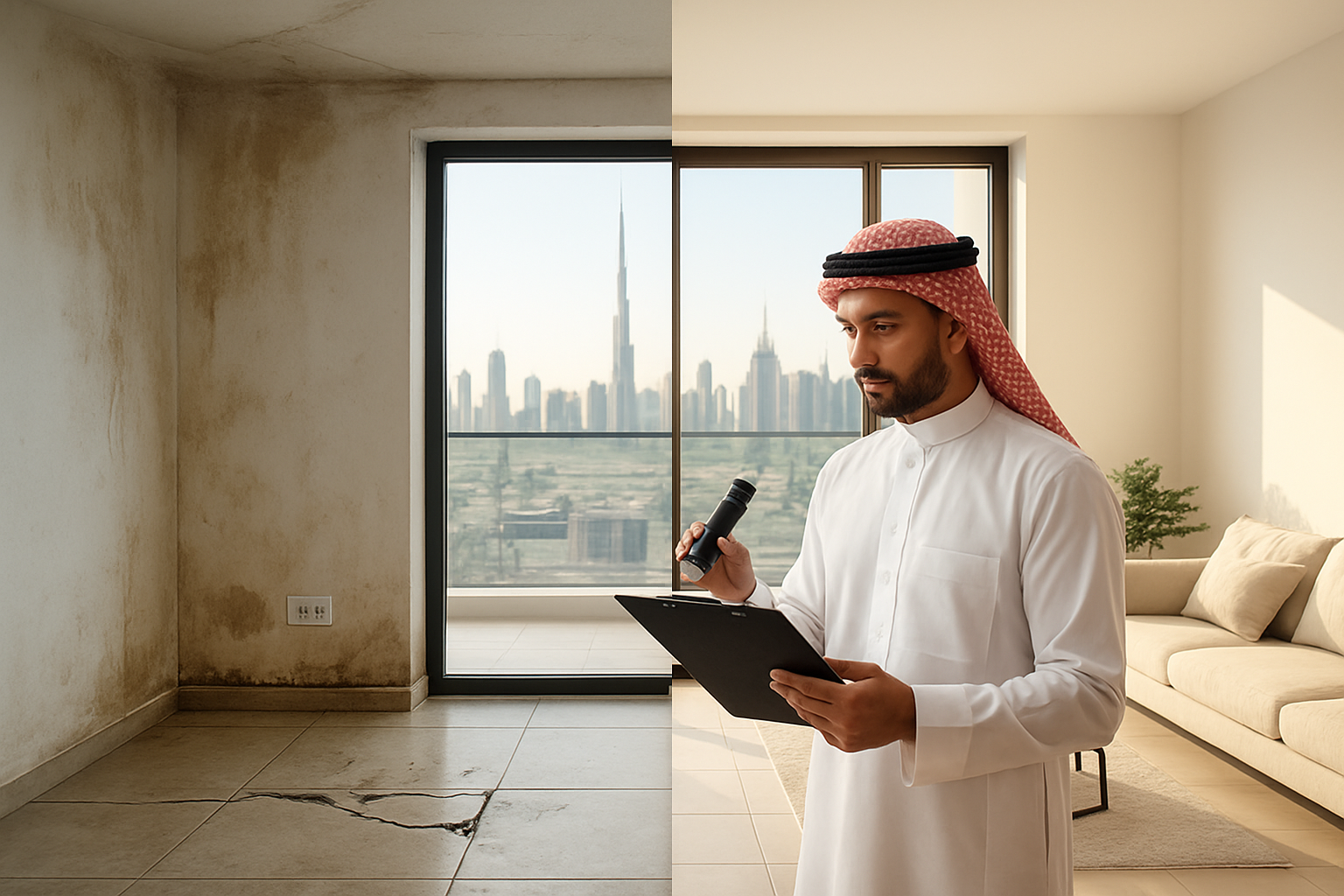
Minor structural issues might seem insignificant during your initial walkthrough, but they transform into financial nightmares when left unaddressed. Hairline cracks in walls often signal foundation settling problems that can cost upwards of AED 50,000 to repair once they spread throughout the structure. Property snagging Dubai services identify these early warning signs before you take possession, allowing developers to address issues at no cost to you.
Door frames that don’t align properly indicate structural movement that worsens over time. What starts as a minor adjustment requiring basic carpentry work evolves into major structural reinforcement needs. Professional snaggers document these misalignments with precise measurements, creating indisputable evidence for warranty claims.
Window installations present another critical structural concern. Improperly sealed windows allow moisture infiltration that weakens surrounding framework. The initial fix might involve simple re-sealing, but delayed intervention leads to rotting frames, compromised insulation, and complete window replacement costs reaching AED 15,000 per unit in luxury developments.
Balcony railings and external fixtures require immediate attention when installation defects are present. Loose railings pose safety risks and indicate inadequate structural anchoring. Early detection through property snagging prevents liability issues and expensive retrofitting that involves breaking into finished surfaces and rebuilding sections.
Ceiling irregularities often mask serious structural problems. Sagging areas might indicate inadequate support beams or improper load distribution. Addressing these issues during the defect liability period costs nothing, while post-handover repairs involve extensive reconstruction work that disrupts your living space for weeks.
Water Damage From Undetected Plumbing Issues
Plumbing defects create the most expensive hidden costs in Dubai’s property market. A single leaking joint behind bathroom tiles can cause AED 30,000 in damage within months. Water seepage destroys flooring, damages wall structures, creates mold problems, and compromises electrical systems in adjacent areas.
Shower waterproofing failures represent the costliest plumbing-related issues. Improper membrane installation allows water to penetrate subflooring and spread to lower units. Property owners face repair bills exceeding AED 100,000 when waterproofing systems fail completely, including liability for damage to neighboring apartments.
Kitchen plumbing presents unique challenges in Dubai’s high-rise developments. Inadequate pipe insulation leads to condensation problems that damage cabinetry and create ideal conditions for pest infestations. Professional snagging identifies these installation defects before they manifest as visible damage.
| Common Plumbing Issues | Early Detection Cost | Post-Handover Repair Cost |
|---|---|---|
| Shower Waterproofing | AED 0 (Developer Fix) | AED 25,000 – 50,000 |
| Pipe Joint Leaks | AED 0 (Developer Fix) | AED 5,000 – 15,000 |
| Drain Blockages | AED 0 (Developer Fix) | AED 2,000 – 8,000 |
| Water Pressure Issues | AED 0 (Developer Fix) | AED 3,000 – 12,000 |
Water pressure inconsistencies signal pump system problems or pipe sizing errors. These issues worsen over time as mineral deposits accumulate in undersized pipes. Early identification through systematic pressure testing prevents expensive pump replacements and complete re-piping projects.
Swimming pool and water feature systems require specialized attention during snagging inspections. Circulation system defects lead to expensive pump failures and filtration problems. Waterproofing issues in pool structures can cost hundreds of thousands of dirhams to repair once they cause structural damage to surrounding areas.
HVAC System Problems Leading to Expensive Replacements
Air conditioning failures in Dubai’s extreme climate create immediate comfort issues and long-term financial burdens. Improperly installed ductwork reduces system efficiency by up to 40%, dramatically increasing electricity costs while shortening equipment lifespan. Professional property snagging Dubai inspections identify installation defects before they compound into system-wide failures.
Refrigerant line installations require precise attention to detail. Kinked lines or improper insulation cause compressor failures within the first year of operation. Replacing central air conditioning systems in luxury developments costs between AED 40,000 and AED 80,000, while early detection and correction cost nothing during the warranty period.
Ventilation system defects create indoor air quality problems that affect health and require expensive remediation. Blocked return air pathways force systems to work harder, increasing energy consumption and accelerating component wear. Poorly designed ventilation layouts trap moisture and create mold growth conditions that require professional remediation services.
Thermostat and control system programming errors prevent optimal system operation. These seemingly minor issues cause equipment to cycle incorrectly, leading to premature failure of major components. Smart home integration problems multiply these costs when entire automation systems require reprogramming or replacement.
Outdoor unit installations present unique challenges in Dubai’s sandy environment. Inadequate protection from sand infiltration clogs condenser coils and damages fan motors. Proper installation includes protective measures that prevent these issues, but retrofitting protection systems after handover involves significant expense and potential warranty voiding.
Chilled water systems in high-end developments require specialized inspection expertise. Circulation pump problems, valve malfunctions, and heat exchanger issues create cascade failures throughout the building’s cooling infrastructure. Early detection prevents individual unit problems from escalating into building-wide system failures.
Electrical Faults Causing Safety Hazards and Costly Fixes
Electrical defects pose the highest safety risks and create expensive repair scenarios when discovered after handover. Circuit breaker panels with incorrect amperage ratings create fire hazards and insurance liability issues. Upgrading electrical panels post-construction requires extensive rewiring work costing AED 20,000 to AED 50,000 depending on property size.
Ground fault circuit interrupter (GFCI) installations require precise testing to ensure proper operation. Faulty GFCI outlets in bathrooms and kitchens create electrocution risks and violate Dubai Municipality safety codes. Retrofitting GFCI protection throughout a property involves breaking into finished walls and complete electrical circuit modifications.
Lighting circuit designs often contain load calculation errors that cause breaker tripping and premature fixture failure. Overloaded circuits create fire hazards and require complete rewiring to resolve safely. Professional snagging identifies these design flaws through systematic load testing and circuit analysis.
Smart home wiring presents complex integration challenges. Improperly installed network cables, automation system wiring, and communication infrastructure create expensive troubleshooting scenarios. Rewiring for smart home features after construction completion costs three times more than proper initial installation.
Exterior electrical installations face unique challenges from Dubai’s harsh climate conditions. Inadequate weatherproofing on outdoor outlets, lighting fixtures, and electrical panels leads to corrosion damage and safety hazards. Replacing weather-damaged electrical components requires specialized marine-grade materials and professional installation.
Emergency power systems in luxury developments need comprehensive testing during snagging inspections. Generator connections, automatic transfer switches, and emergency lighting circuits must function perfectly during power outages. System failures during emergencies create liability issues and require expensive emergency repairs.
Warranty Voiding When Defects Aren’t Reported Promptly
Dubai’s property warranty periods create strict reporting deadlines that determine financial responsibility for defects. Most developers provide 12-month warranties for general defects and longer periods for structural issues, but unreported problems automatically become owner responsibilities after warranty expiration.
Documentation timing becomes critical for major defect claims. Developers require written notification within specific timeframes, typically 30 to 90 days from discovery. Professional property snagging Dubai services create comprehensive defect registers with photographic evidence and precise descriptions that meet developer requirements.
Hidden defects present unique warranty challenges because discovery often occurs months after handover. Water damage from concealed plumbing leaks might not manifest until the warranty period expires. Proper snagging inspections identify potential problem areas and create baseline documentation for future warranty claims.
Warranty claim procedures vary significantly between developers and require specific documentation formats. DIY defect identification often lacks the technical detail and professional presentation necessary for successful warranty claims. Rejected warranty claims leave owners responsible for repair costs that could have been avoided through proper initial documentation.
| Warranty Period | Defect Type | Claim Success Rate (DIY) | Claim Success Rate (Professional) |
|---|---|---|---|
| 0-6 Months | Minor Defects | 60% | 95% |
| 6-12 Months | Moderate Defects | 40% | 85% |
| 1-2 Years | Major Defects | 20% | 75% |
| 2+ Years | Structural Issues | 15% | 70% |
Multiple defect categories require different warranty approaches. Structural defects typically carry longer warranty periods but require engineering assessments to establish developer responsibility. Mechanical system warranties often exclude components damaged by poor maintenance, making initial documentation essential for successful claims.
International warranty standards apply to luxury developments with foreign developers or management companies. These warranties often provide better coverage but require compliance with specific reporting procedures and technical documentation standards. Professional snagging services understand these varied requirements and ensure proper claim submission processes.
Warranty transfer considerations become important for investors planning to sell properties quickly. Untransferred warranties leave new owners without recourse for existing defects. Proper defect documentation during initial snagging creates transferable warranty claims that maintain property value and buyer confidence.
Professional Snagging Services Deliver Maximum Savings
Expert Eye Identifies Issues You Might Miss
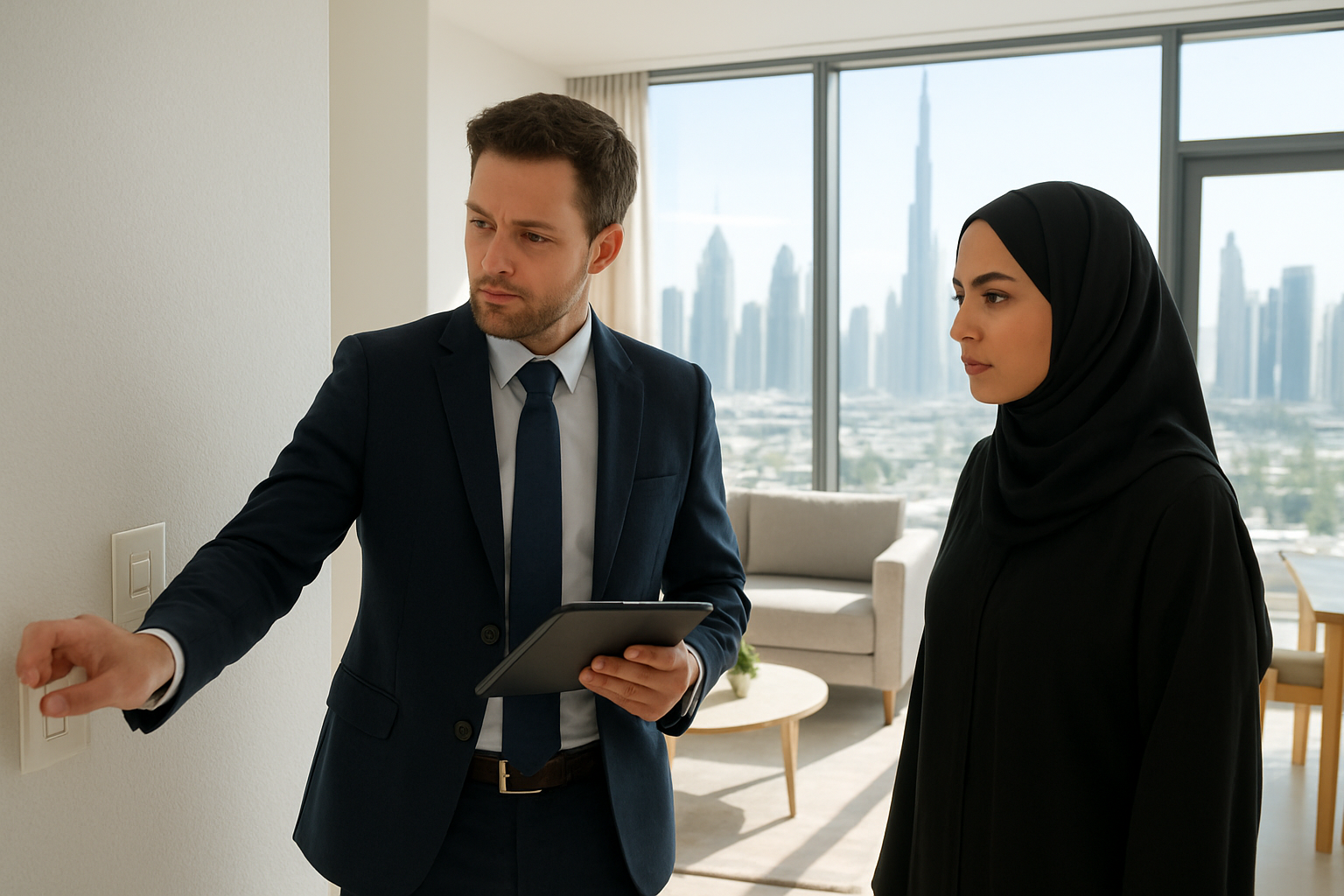
Professional snagging inspectors bring years of specialized training and field experience that transforms how defects are discovered in Dubai properties. These experts have developed an acute ability to spot problems that would easily escape the untrained eye, particularly in the complex high-rise developments that dominate Dubai’s skyline.
The human eye naturally adapts to environments, making it difficult for homeowners to notice subtle irregularities that could signal serious underlying issues. Professional inspectors maintain their objectivity through systematic inspection methodologies that prevent this adaptation bias. They approach each property with fresh perspective and follow comprehensive checklists covering hundreds of potential defect points.
Electrical systems present some of the most challenging inspection areas for non-professionals. While a homeowner might test a few light switches and outlets, certified inspectors examine the entire electrical infrastructure. They check circuit breaker panels for proper labeling, verify ground fault circuit interrupter (GFCI) functionality in wet areas, test voltage levels at outlets, and inspect electrical boxes for proper installation and code compliance. These thorough electrical assessments frequently uncover fire hazards and expensive rewiring needs that could cost thousands to address after move-in.
Structural elements require particularly specialized knowledge to assess properly. Professional inspectors understand how concrete should cure in Dubai’s climate conditions and can identify signs of premature cracking, improper reinforcement, or substandard materials. They recognize when hairline cracks indicate settling versus when they signal structural compromise. This expertise becomes crucial in Dubai’s challenging environment where extreme temperature variations and sandy soil conditions create unique stresses on building foundations and frameworks.
Waterproofing presents another area where professional expertise proves invaluable. Dubai’s occasional but intense rainfall, combined with high humidity levels and temperature extremes, makes proper waterproofing critical for long-term property integrity. Experienced inspectors know exactly where to look for potential water intrusion points that aren’t immediately obvious. They examine window and door seals, balcony drainage systems, and bathroom waterproofing with specialized tools that detect moisture levels behind finished surfaces.
HVAC systems in Dubai properties operate under extreme conditions year-round, making their proper installation and functionality essential for both comfort and energy efficiency. Professional inspectors test these systems comprehensively, checking refrigerant levels, examining ductwork for leaks, verifying proper insulation, and ensuring all components meet manufacturer specifications. They can identify undersized units, improper installations, and component defects that would lead to premature system failure and costly replacements.
Detailed Reports Provide Leverage With Developers
The documentation provided by professional property snagging Dubai services creates powerful negotiating tools that significantly strengthen homeowners’ positions when dealing with developers. These comprehensive reports transform vague complaints into precise, actionable demands that developers find difficult to dismiss or minimize.
Professional snagging reports follow industry-standard formats that developers recognize and respect. The reports categorize defects by severity levels, provide exact locations using grid references or room-specific identifications, and include high-quality photographic evidence with detailed annotations. This level of documentation eliminates ambiguity and prevents developers from claiming that reported issues are subjective opinions rather than objective defects.
The photographic evidence included in professional reports proves particularly valuable during negotiations. Each image captures defects from multiple angles with appropriate lighting and scale references. Professional inspectors use specialized photography techniques that clearly show problems that might be difficult to perceive in casual snapshots. These images become permanent records that developers cannot dispute, creating accountability that protects homeowners throughout the remediation process.
Time-stamped documentation provides additional leverage by establishing clear timelines for defect discovery and developer notification. Professional reports include inspection dates, weather conditions during inspection, and detailed timelines that demonstrate homeowners acted promptly to identify and report issues. This documentation becomes crucial if disputes escalate to legal proceedings or warranty claims.
The technical language used in professional reports carries weight with developers who understand that trained inspectors have identified legitimate defects requiring correction. Developers recognize that professional inspectors understand building codes, construction standards, and industry best practices. This recognition often leads to more cooperative responses and faster resolution times compared to homeowner-generated complaint lists.
Professional reports also include estimated repair costs for major defects, giving homeowners realistic expectations about the financial impact of required corrections. These cost estimates help homeowners prioritize which issues to address first and provide benchmarks for evaluating developer proposals for remediation or compensation.
Many professional snagging services provide follow-up inspection services to verify that developers have properly corrected identified defects. These follow-up reports create additional accountability and ensure that quick fixes don’t mask underlying problems. The availability of professional verification services gives homeowners confidence that developers will complete remediation work to proper standards rather than applying temporary solutions.
Prioritized Defect Lists Help Focus On Costly Problems
Professional snagging services excel at categorizing and prioritizing defects based on their potential financial impact, safety implications, and urgency for resolution. This systematic approach helps homeowners focus their attention and negotiating efforts on issues that could prove most expensive if left unaddressed.
Safety-related defects always receive top priority in professional assessments. These include electrical hazards, structural integrity concerns, fire safety violations, and gas system problems. Addressing these issues immediately prevents potential accidents that could result in personal injury liability and property damage far exceeding the cost of proper correction during the snagging phase.
High-cost structural and mechanical defects receive the next level of priority attention. These encompass foundation problems, major plumbing system defects, HVAC installation errors, and waterproofing failures. Professional inspectors understand that these systems become exponentially more expensive to repair after occupancy begins and interior finishes are installed. A plumbing leak that costs a few hundred dollars to fix during snagging could result in thousands of dollars in water damage and restoration costs once the property is occupied.
Professional priority systems also consider the accessibility of different building components after occupancy. Defects in areas that become difficult to access after move-in receive higher priority ratings because repair costs increase significantly once demolition and restoration become necessary. Examples include electrical wiring behind finished walls, plumbing systems beneath concrete slabs, and HVAC ductwork above dropped ceilings.
The prioritization process considers warranty coverage timelines for different building components. Professional inspectors understand that various systems carry different warranty periods and that some defects may not become apparent until after certain warranty periods expire. They prioritize the identification and documentation of defects in systems with shorter warranty periods, ensuring homeowners can address these issues while coverage remains active.
Energy efficiency defects receive appropriate priority based on their long-term operating cost implications. In Dubai’s extreme climate, poor insulation, inefficient HVAC systems, and inadequate window sealing can result in hundreds of dollars monthly in excess utility costs. Professional inspectors calculate the long-term financial impact of these efficiency problems and prioritize them accordingly.
Quality control defects affecting property value and marketability also receive systematic priority ratings. While these cosmetic issues might not pose immediate safety or functionality concerns, they can significantly impact property resale values. Professional inspectors understand which aesthetic defects suggest underlying quality problems and prioritize these based on their potential impact on long-term property value.
Technical Expertise Ensures Nothing Gets Overlooked
The technical knowledge possessed by professional property snagging inspectors encompasses multiple specialized disciplines that would be impossible for individual homeowners to master. This comprehensive expertise ensures that complex building systems receive appropriate evaluation and that interconnected problems are identified before they compound into major issues.
Building code compliance represents a critical area where technical expertise proves essential. Professional inspectors maintain current knowledge of Dubai Municipality building codes, fire safety regulations, accessibility requirements, and environmental standards. They can identify code violations that could result in occupancy permit problems, insurance coverage issues, or mandatory retrofitting requirements. Homeowners typically lack access to current building codes and the training necessary to interpret their application to specific property conditions.
Mechanical systems expertise allows professional inspectors to evaluate complex HVAC, plumbing, and electrical installations that integrate throughout modern Dubai properties. They understand how these systems should work together and can identify conflicts or inefficiencies that compromise overall building performance. For example, improperly sized HVAC systems might provide adequate cooling in moderate conditions but fail during peak summer months, leading to expensive emergency repairs and uncomfortable living conditions.
Material science knowledge enables professional inspectors to assess the quality and appropriateness of building materials used in different applications. They understand how various materials respond to Dubai’s unique environmental conditions and can identify installations that may not provide expected longevity. This expertise proves particularly valuable in identifying substandard materials that might appear acceptable initially but will fail prematurely under local climate stresses.
Professional inspectors bring specialized tools and testing equipment that reveal defects invisible to casual observation. Thermal imaging cameras identify insulation gaps, moisture intrusion, and electrical hot spots. Digital moisture meters detect hidden water damage behind finished surfaces. Professional-grade electrical testing equipment verifies proper grounding, circuit capacity, and safety device functionality. These tools provide objective measurements that supplement visual inspections and identify problems that might not become apparent until systems fail.
Construction sequence knowledge allows professional inspectors to identify problems that result from improper installation timing or inadequate protection during construction phases. They understand how different building phases should progress and can recognize when shortcuts or sequence errors have created hidden problems. This knowledge proves particularly valuable in Dubai’s fast-paced construction environment where schedule pressures sometimes lead to quality compromises.
Quality control expertise enables professional inspectors to distinguish between acceptable construction tolerances and defects requiring correction. Building construction involves numerous measurements and tolerances, and professional inspectors understand which variations fall within acceptable ranges versus those indicating quality problems. This knowledge prevents homeowners from demanding corrections for normal construction variations while ensuring that genuine defects receive appropriate attention.
The integration of all these technical specializations creates comprehensive property assessments that identify both obvious defects and subtle problems that could develop into major issues over time. Professional inspectors understand how different building systems interact and can predict how small problems in one area might affect other building components. This systematic approach ensures that property snagging Dubai services provide complete protection against both immediate and future property problems.
Legal Protection and Developer Accountability

Documentation Creates Legally Binding Repair Obligations
When you engage in property snagging Dubai services, you’re creating a paper trail that transforms discovered defects from potential disputes into legally enforceable repair obligations. Professional snagging reports serve as concrete evidence that developers cannot easily dismiss or ignore. These detailed documents establish a clear timeline of when defects were identified and reported, creating accountability that extends far beyond verbal complaints.
The documentation process involves comprehensive photography, detailed descriptions, and precise location mapping of each defect. This level of detail prevents developers from claiming ignorance about specific issues or attempting to minimize their severity. Each photograph is timestamped and geo-tagged, creating an irrefutable record that can withstand legal scrutiny.
Professional snagging companies understand the specific documentation standards required under UAE law. They prepare reports that meet legal requirements for evidence submission, ensuring that your claims will hold up in court if necessary. The format, language, and technical specifications all align with Dubai’s construction regulations and building codes.
Smart property buyers recognize that proper documentation shifts the burden of proof away from them and onto the developer. Instead of arguing about whether defects exist or when they occurred, the focus becomes solely on remediation timelines and quality standards. This fundamental shift in dynamics often motivates developers to address issues promptly rather than risk prolonged legal proceedings.
The legal weight of professional snagging reports extends beyond individual defects to broader construction quality concerns. When multiple units in a development show similar problems, documented evidence can support class-action approaches or collective bargaining with developers. This collaborative approach often yields faster results and more comprehensive solutions.
Warranty Periods Maximize Your Recovery Rights
Understanding warranty periods is crucial for maximizing your financial protection when purchasing property in Dubai. Most construction warranties operate on declining timelines, with structural elements typically covered for longer periods than finishing materials or mechanical systems. Professional property snagging Dubai inspections conducted early in your ownership maximize the window for claiming warranty repairs.
The typical warranty structure in Dubai developments follows this pattern:
| Component Type | Warranty Period | Coverage Details |
|---|---|---|
| Structural Elements | 10 years | Foundation, load-bearing walls, major structural defects |
| Waterproofing | 5-10 years | Roof systems, bathroom waterproofing, external sealing |
| MEP Systems | 2-5 years | Electrical, plumbing, HVAC installations |
| Finishing Materials | 1-2 years | Paint, flooring, fixtures, cabinet hardware |
| Appliances | 1 year | Built-in appliances, warranty varies by manufacturer |
Timing your snagging inspection strategically ensures that identified defects fall within the appropriate warranty periods. Many property owners make the costly mistake of waiting until problems become obvious before addressing them. By then, certain warranty periods may have expired, leaving owners financially responsible for repairs that could have been covered.
Professional snagging services understand the intricacies of warranty claims processing in Dubai’s development community. They know which developers respond quickly to warranty requests and which require more persistent follow-up. This expertise translates directly into faster resolution times and higher success rates for warranty claims.
The documentation created during professional snagging establishes the baseline condition of your property at the time of handover. This benchmark becomes invaluable when warranty disputes arise, as it clearly shows which issues were present from the beginning versus those that developed over time. Developers cannot argue that defects resulted from normal wear and tear when comprehensive snagging reports show they existed at handover.
Maximizing warranty recovery also requires understanding the developer’s preferred communication channels and escalation procedures. Professional snagging companies maintain relationships with construction teams and know the most effective ways to present warranty claims. This insider knowledge often results in faster responses and more favorable outcomes for property owners.
Professional Reports Strengthen Negotiation Position
The negotiating power that comes from professional snagging reports cannot be overstated. When you approach developers with a comprehensive, professionally prepared defect list, you immediately establish credibility and demonstrate serious intent to resolve issues properly. This professional approach often motivates developers to address problems proactively rather than engage in lengthy negotiations.
Professional reports include technical language and industry-specific terminology that resonates with construction professionals. The detailed nature of these reports shows developers that you’ve invested in proper inspection services and understand construction quality standards. This knowledge gap between amateur observations and professional assessments often determines whether developers take your concerns seriously.
The visual evidence contained in professional snagging reports provides undeniable proof of defect conditions. High-resolution photographs captured with professional equipment eliminate the subjective nature of defect descriptions. Developers cannot argue about the severity or existence of problems when confronted with clear photographic evidence supported by technical explanations.
Negotiation leverage increases significantly when professional reports identify safety-related defects or building code violations. Developers understand that these issues create liability exposure and regulatory compliance problems. The professional documentation of such defects often accelerates resolution timelines as developers seek to minimize their legal exposure.
The comprehensive nature of professional snagging reports also prevents developers from addressing only the most obvious problems while ignoring subtler defects. Amateur inspections often miss technical issues that become expensive problems later. Professional reports ensure that negotiations cover all identified defects, not just the ones visible to untrained eyes.
Strategic presentation of professional snagging reports can also reveal patterns of systemic construction problems. When similar defects appear across multiple areas of a property, it suggests quality control issues during construction. This broader perspective often motivates developers to implement more comprehensive solutions rather than piece-meal repairs.
Avoiding Disputes Through Proper Defect Recording
Proper defect recording serves as the foundation for dispute prevention in Dubai’s property market. When defects are documented correctly from the beginning, there’s little room for disagreement about their existence, severity, or timeline. This clear record-keeping eliminates many of the common sources of conflict between property owners and developers.
The systematic approach used by professional snagging services creates standardized records that both parties can understand and reference. Each defect receives a unique identifier, detailed description, photographic evidence, and recommended remediation approach. This systematic organization makes it easy to track resolution progress and identify any outstanding items.
Proper recording also establishes clear accountability for defect resolution. When developers receive professionally prepared snagging reports, they can assign specific defects to appropriate subcontractors and track completion status. This organized approach reduces confusion and ensures that nothing falls through the cracks during the remediation process.
The technical accuracy of professional defect recording prevents disputes about repair methods and materials. Professional snagging inspectors understand construction standards and can specify appropriate remediation techniques in their reports. This technical guidance eliminates arguments about repair quality and ensures that fixes meet industry standards.
Documentation standards maintained by professional snagging services also facilitate communication between multiple parties involved in defect resolution. Property management companies, developers, subcontractors, and property owners can all reference the same detailed records, reducing miscommunication and ensuring everyone works from the same information.
Regular follow-up inspections and updated documentation provide ongoing protection against new disputes. As repairs are completed, professional services can verify the quality of remediation work and update records accordingly. This continuous documentation process ensures that the resolution of one defect doesn’t create new problems or disputes.
The preventive value of proper defect recording extends to future property transactions as well. Comprehensive snagging records demonstrate that the property has been professionally maintained and that known defects have been properly addressed. This documentation can increase property value and reduce concerns for potential buyers or tenants.
Professional snagging services understand the common points of contention in Dubai’s construction industry and structure their documentation to preemptively address these issues. By anticipating potential disputes and providing clear evidence to resolve them, proper defect recording saves time, money, and stress for all parties involved in the property ownership experience.
Long-term Property Value Protection
Maintaining Resale Value Through Proper Defect Resolution
Property owners in Dubai often underestimate how construction defects can devastate their investment’s future worth. When you skip professional property snagging Dubai services, seemingly minor flaws can slash your property’s resale value by 15-30% within just a few years. Smart investors understand that addressing defects early protects their equity better than any other single action.
Buyers today are more sophisticated and discerning than ever before. They arrive at viewings armed with detailed checklists, professional inspectors, and keen awareness of common construction issues plaguing Dubai’s rapid development landscape. A property with unresolved snagging issues immediately raises red flags, forcing sellers into uncomfortable negotiations where buyers demand significant price reductions or walk away entirely.
The Psychology of Buyer Perception
First impressions matter tremendously in real estate transactions. When potential buyers notice cracked tiles, poorly aligned doors, or water stains on ceilings, their confidence plummets immediately. They start questioning what other problems might be lurking beneath the surface. This psychological shift transforms them from eager purchasers into suspicious negotiators who view every asking price with skepticism.
Professional real estate agents consistently report that properties with visible defects take 40% longer to sell and typically close at 8-12% below comparable units in pristine condition. The mathematics are stark: on a AED 2 million property, unresolved snagging issues could cost you AED 160,000-240,000 in lost value.
Documentation Creates Market Confidence
Comprehensive snagging reports serve as powerful marketing tools during resale. When you can present prospective buyers with detailed documentation showing all defects were identified and professionally remediated, you’re selling more than just a property – you’re selling peace of mind. This transparency often commands premium pricing because buyers recognize the thorough care invested in maintaining the unit.
Properties backed by professional snagging certificates typically sell within the first month of listing, often receiving multiple offers that drive final sale prices above asking price. The documentation proves the property received expert attention, distinguishing it from thousands of other units where owners simply hoped for the best.
Market Differentiation Through Quality Assurance
Dubai’s property market includes countless similar units across major developments. When everything else appears equal – location, size, amenities – the condition becomes the decisive factor. Properties with resolved snagging issues stand out dramatically in crowded marketplaces where buyers struggle to differentiate between options.
Real estate professionals leverage snagging documentation as key selling points, highlighting how the property surpasses typical market standards. This positioning often justifies price premiums that far exceed the original snagging investment costs.
Preventing Minor Issues from Becoming Major Problems
The relationship between early defect identification and long-term property maintenance costs follows predictable patterns that favor proactive owners. Small problems ignored during initial occupancy multiply exponentially, creating cascading failures that demand expensive emergency repairs years later.
The Cost Escalation Timeline
Water damage provides the clearest example of how minor snagging issues evolve into major financial disasters. A small leak behind kitchen tiles might cost AED 500 to repair immediately after handover. Left unaddressed, that same leak can cause:
- Month 6: Tile adhesive failure requiring re-tiling (AED 3,000)
- Year 1: Structural damage to adjacent walls (AED 8,000)
- Year 2: Mold remediation and complete kitchen renovation (AED 25,000)
- Year 3: Potential health issues and insurance claims complications (AED 50,000+)
This progression isn’t theoretical – property management companies across Dubai document these exact scenarios regularly. Owners who invest AED 3,000-5,000 in comprehensive snagging avoid these exponential cost increases.
Electrical System Vulnerabilities
Dubai’s intense heat places enormous stress on electrical systems, making early defect identification critical for preventing dangerous failures. Loose connections identified during initial snagging cost minimal amounts to tighten properly. Those same connections, stressed by years of thermal cycling, can cause:
- Circuit breaker failures requiring panel replacements
- Appliance damage from power fluctuations
- Fire hazards necessitating complete rewiring
- Insurance coverage complications for preventable electrical fires
Professional snagging identifies these vulnerabilities when correction costs remain manageable, typically under AED 1,000 per issue. Emergency electrical repairs often exceed AED 10,000-15,000 per incident.
Plumbing System Longevity
Poor installation practices create weak points throughout plumbing systems that fail predictably under normal usage. Improperly sealed joints, inadequate pipe support, and substandard materials all contribute to premature system failures. Early identification allows targeted corrections before water damage spreads throughout the property.
The humid Dubai climate accelerates corrosion in improperly installed plumbing systems. What begins as minor leaks quickly becomes comprehensive pipe replacement projects costing AED 20,000-40,000 for typical apartments. Professional snagging catches these installation defects when simple repairs suffice.
HVAC System Optimization
Air conditioning represents the largest ongoing expense for Dubai property owners, making system efficiency crucial for controlling operational costs. Snagging identifies installation issues that reduce cooling efficiency, increase electricity consumption, and accelerate component wear.
Common HVAC defects discovered during professional inspections include:
| Defect Type | Immediate Cost | Long-term Impact |
|---|---|---|
| Improper ductwork sealing | AED 500 repair | 30% higher cooling costs |
| Inadequate insulation | AED 1,200 correction | AED 2,000+ annual waste |
| Poor drainage systems | AED 300 fix | Water damage, mold growth |
| Refrigerant leaks | AED 800 repair | Complete system replacement |
Ensuring Rental Income Isn’t Affected by Property Defects
Rental properties demand consistent income generation to justify their investment, making defect-related disruptions particularly costly for property investors. Tenants increasingly expect flawless living conditions and quickly terminate leases or demand rent reductions when problems emerge. Professional property snagging Dubai services protect rental income streams by eliminating issues that commonly trigger tenant complaints and vacancy periods.
Tenant Retention and Satisfaction Metrics
Property management data shows that units with unresolved construction defects experience 60% higher tenant turnover rates compared to properly maintained properties. Each tenant departure costs owners approximately AED 8,000-12,000 in lost rent during vacancy periods, cleaning, marketing, and tenant screening expenses.
Modern tenants research properties extensively before signing leases, often discovering online reviews mentioning specific building defects. Properties with known issues struggle to attract quality tenants, forcing owners to accept lower rents or less desirable occupants who may create additional problems.
Emergency Repair Disruptions
Nothing destroys tenant relationships faster than emergency repairs disrupting their daily routines. When snagging issues evolve into urgent problems requiring immediate contractor access, tenants rightfully demand rent concessions for the inconvenience. These disruptions often trigger lease terminations as frustrated tenants seek more reliable accommodations.
Emergency repairs typically cost 300-500% more than planned maintenance, while also generating tenant compensation claims that further erode rental income. A comprehensive snagging program eliminates most emergency scenarios by addressing problems during planned maintenance windows.
Insurance and Liability Considerations
Unresolved defects create liability exposures that impact rental property insurance coverage and premiums. When defects cause tenant injuries or property damage, insurance companies scrutinize whether owners exercised reasonable care in property maintenance. Documented snagging reports demonstrate due diligence that protects coverage and keeps premiums manageable.
Properties with documented maintenance histories, including professional snagging, qualify for preferred insurance rates that can save AED 2,000-5,000 annually on coverage costs. These savings alone often justify the snagging investment.
Market Positioning for Premium Rents
Well-maintained properties command significant rental premiums in Dubai’s competitive market. Landlords who can demonstrate comprehensive property care through professional snagging documentation often achieve rents 10-15% above market rates for comparable units.
Quality tenants willingly pay premiums for properties where they expect minimal maintenance disruptions and responsive property management. This tenant quality creates positive cycles where properties maintain excellent condition and generate consistent income growth.
Long-term Income Stability
Rental properties represent long-term investments requiring predictable income streams for successful financial planning. Properties with unresolved defects create income volatility through unexpected repair costs, tenant disputes, and vacancy periods that disrupt cash flow projections.
Professional snagging establishes maintenance baselines that enable accurate long-term financial planning. Owners can budget confidently for routine maintenance while avoiding the financial surprises that destroy investment returns. This predictability allows for strategic property improvements that further enhance rental income potential.
The data clearly demonstrates that comprehensive snagging programs pay for themselves multiple times over through protected property values, prevented major repairs, and maintained rental income streams. Smart property investors recognize these services as essential insurance policies protecting their Dubai real estate investments.

Property snagging in Dubai isn’t just about finding defects – it’s about protecting your investment from costly surprises that could drain your budget for years to come. With Dubai’s rapid construction pace, even luxury developments can have hidden issues that developers might overlook or rush past. When you catch these problems early through professional snagging, you’re essentially getting free repairs that could otherwise cost you thousands in maintenance, legal fees, and property value loss down the road.
The smart money is on getting a thorough snagging inspection before you hand over those final payments. Think of it as your last chance to make the developer fix their mistakes on their dime instead of yours. Your future self will thank you when your neighbors are dealing with water damage, electrical issues, or structural problems while you’re enjoying a properly built home that holds its value in Dubai’s competitive property market.